• Skip to main content
  • Skip to primary sidebar
  • Skip to footer

Live SV logo

  • Home
  • About
  • Life & Success
  • Travel
  • Business
  • Finance
  • Blog
  • Business
  • Health
  • Technology
  • Contact Me

Health

5 Ways Family Dentistry Improves Overall Household Wellness

March 18, 2026

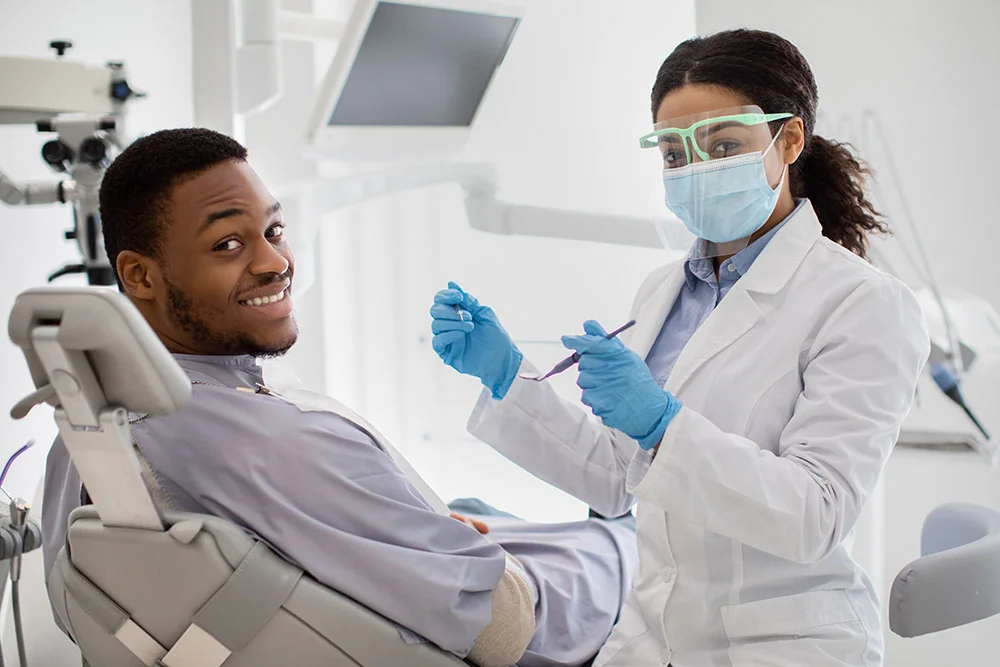
Your mouth affects your whole body. It also affects the health of everyone who lives with you. When one person skips cleanings or ignores tooth pain, germs spread, sleep suffers, and stress grows. A strong family dentistry routine protects your household. It gives you clear steps, steady support, and early warning signs before small problems grow into emergencies. Regular visits help you manage pain, prevent infections, and protect children as their teeth and jaws grow. They also support older adults who face gum disease or dry mouth from medicine. A trusted Germantown dentist can guide your entire family with simple habits and honest advice. You learn what to watch for at home. You understand when to call for help. You leave each visit with fewer worries and a clear plan. That steady care builds calm, confidence, and better wellness for every person under your roof.

1. You Lower Hidden Health Risks For Everyone

Oral infections do not stay in the mouth. Bacteria can enter the blood. That raises the risk of heart disease and poor blood sugar control. The Centers for Disease Control and Prevention links poor oral health with diabetes, heart disease, and pregnancy problems.

Family dentistry spots early signs. You get one place that tracks changes for each person over time. That record matters when a small gum bleed turns into bone loss or when dry mouth points to a medicine problem.

  • Cleanings remove plaque that brushing leaves behind
  • Gum checks catch bleeding and swelling before teeth loosen
  • X-rays show decay that hides between teeth

Each visit cuts the chance of sudden infections. Those infections can send a child to the emergency room at night. They can also flare up in older adults with weak immune systems.

2. You Protect Children During Key Growth Stages

Childhood sets the pattern for life. When you use one family dentist, your child learns that care is normal. Fear shrinks when faces and rooms stay the same. That routine builds trust and better behavior in the chair.

Family dentistry supports three key needs for children.

  • Strong baby teeth so they can eat and speak
  • Guided jaw growth that leaves room for adult teeth
  • Sealants and fluoride to block decay in deep grooves

Those steps match guidance from the National Institute of Dental and Craniofacial Research. You get simple rules. Limit sugary drinks. Use fluoride toothpaste the size of a grain of rice for toddlers. Brush for two minutes twice a day. Help your child until hand control improves.

When children see parents keep visits, they copy that behavior. That reduces skipped care when they become teens and adults.

3. You Reduce Household Stress And Emergency Costs

Tooth pain spreads stress across a home. One person cannot sleep. Others wake to help. Work is missed. School is missed. Bills rise.

Family dentistry focuses on prevention. That lowers the need for root canals, extractions, and urgent visits. The pattern is simple. Routine care costs less than crisis care. It also takes less time away from work and school.

Type of visit Typical timing Impact on your home


Checkup and cleaning Planned every 6 months Short visit. Less pain. Lower long-term cost.
Filling for small cavity Caught during checkup One visit. Quick fix. Child or adult back to normal routine.
Emergency visit for toothache Unplanned Night or weekend rush. Missed work and school. High stress.
Root canal or extraction Often follows delayed care Multiple visits. More pain. Higher fees. Longer healing.

When you keep a shared schedule, your household gains three things. You avoid last-minute panic. You spread visits across the year. You plan costs instead of facing sudden debt.

4. You Support Older Adults And Caregivers

Older adults face a higher risk of gum disease, tooth loss, and oral cancer. Many also take medicines that dry the mouth. Dry mouth raises decay risk. It also makes eating and speaking harder.

Family dentistry keeps elders connected to care. That helps caregivers who already feel pressure from work and home duties. One office can review medicine lists, check dentures, and look for sores.

Key supports for older adults include three simple steps.

  • Regular checks for loose teeth and gum loss
  • Review of brushing and cleaning tools that match hand strength
  • Screening for oral cancer at each exam

When elders feel heard, they share pain early. That prevents infections that could lead to hospital stays or poor eating.

5. You Build Shared Habits That Strengthen Family Bonds

Oral health habits work best when everyone joins in. Family dentistry turns brushing and flossing into shared routines instead of private chores. That unity helps children and teens who test limits.

You can set three basic house rules.

  • Everyone brushes twice a day
  • Everyone limits sugary snacks and drinks
  • Everyone keeps their own regular dental visits

When your dentist explains these rules to the whole family, the message feels clear and fair. Then each person knows what to expect. That lowers arguments and guilt. It also raises the chance that changes will last.

Over time, your home gains three long-term rewards. People smile more without shame. Meals become easier because chewing is steady. Sleep improves because pain and grinding drop.

Putting It All Together For Your Household

Family dentistry is not only about clean teeth. It is about steady routines that protect every person under your roof. You lower health risks. You protect children during growth. You reduce stress and surprise costs. You support older adults. You build simple habits that tie your family together.

When you treat oral care as a shared duty, you guard both health and peace in your home. You also give each person a sense of control. That sense of control reduces fear and helps your household face other health challenges with more strength and calm.

Filed Under: Health

How Preventive Dentistry Shapes Oral Health From Childhood To Adulthood

March 17, 2026

Your mouth tells a long story, from baby teeth to wisdom teeth. Preventive dentistry shapes that story. It protects you from pain, expense, and fear. It also protects your child from the same. Early cleanings, simple habits, and steady checkups build a strong base. Then you carry that base into your teen years and adult life. You lower your risk of tooth decay, gum disease, and tooth loss. You also protect your heart, lungs, and blood sugar. That is because oral health links to your whole body. An Atlanta dentist can guide each step. The care starts with a first tooth. Then it moves through braces, sports injuries, stress, and aging. Each stage needs its own plan. You do not need perfection. You only need steady steps. This blog explains those steps so you can protect every stage of your oral health journey.

Why Prevention Starts Before The First Tooth Falls Out

Prevention starts as soon as a first tooth appears. You shape daily choices that stay with your child for life. You also lower the chance of emergency visits and missed school days.

For young children, focus on three simple steps.

  • Clean teeth twice a day with a small smear of fluoride toothpaste.
  • Offer water instead of sweet drinks between meals.
  • Schedule dental visits by the first birthday.

The Centers for Disease Control and Prevention reports that cavities are one of the most common chronic conditions in children. Early visits help you catch small soft spots before they turn into deep holes. You also learn how to handle thumb sucking, pacifiers, and teething pain in safe ways.

Key Preventive Steps At Every Age

Your needs change as you age. The core steps stay the same. You clean, you protect, and you check.

Life stage Main risks Simple preventive steps
Toddlers and preschoolers Early cavities and bottle use at bedtime Brush with help. Use fluoride toothpaste. Stop bottles at night. First dental visit.
School age Snacking, sugar drinks, sports injuries Set snack limits. Use mouthguards for sports. Add sealants when advised.
Teens Braces, soda, tobacco, piercings Brush around wires. Floss daily. Avoid tobacco. Clean piercings if chosen.
Young adults Stress, grinding, missed visits Keep checkups. Use a night guard if needed. Keep floss in bags or desks.
Midlife adults Gum disease, blood pressure drugs, diabetes Tell your dentist about all medicines. Watch for bleeding gums. Keep three-month cleanings if advised.
Older adults Dry mouth, root decay, tooth loss Use saliva rinses if needed. Limit sugar snacks. Check dentures and implants often.

How Home Habits And Dental Visits Work Together

Home care and office care must support each other. One without the other leaves weak spots.

  • You brush and floss to remove sticky film each day.
  • Your dental team removes hard buildup that you cannot reach.
  • Fluoride and sealants add a shield that home care cannot replace.

The National Institute of Dental and Craniofacial Research explains that tooth decay and gum disease grow from bacteria that feed on sugar. You cut off that fuel with smart food choices and steady cleaning. You also need regular exams so small changes do not grow into infections or tooth loss.

Food, Drinks, and Habits That Protect Your Mouth

What you put in your mouth shapes your teeth and gums. It also shapes how your body fights infection.

Focus on three groups of choices.

  • Choose water, milk, and unsweet tea instead of soda and sports drinks.
  • Eat crisp fruits, plain yogurt, cheese, beans, and nuts more often than candy or chips.
  • Limit tobacco and alcohol. Both raise the risk of gum disease and oral cancer.

Children copy what they see. When you drink water, choose simple snacks, and keep regular checkups, your child sees oral care as normal. That reduces fear and shame. It also builds trust that care is part of daily life, not a punishment.

Preventive Dentistry And Your Overall Health

Gum disease links to heart disease, stroke, lung disease, and poor blood sugar control. Inflammation in your mouth does not stay in your mouth. It spreads through your blood and strains your body.

Preventive care protects you in three ways.

  • You lower the level of harmful bacteria that enter your blood.
  • You catch gum swelling and bleeding while it is still easy to reverse.
  • You share health history with your dentist so care fits your medical needs.

If you live with diabetes, pregnancy, or a weak immune system, preventive visits matter even more. You may need cleanings more often. You also need clear steps for home care that match your energy and schedule.

When To Seek Help Right Away

Do not wait for pain to become unbearable. Early action saves teeth, money, and sleep.

Call a dentist soon if you notice any of these signs.

  • Red, swollen, or bleeding gums.
  • Loose teeth or changes in your bite.
  • White or brown spots that do not brush away.
  • Bad breath that stays even after brushing.
  • Jaw pain or clenching during the day.

Children also need fast care for falls, broken teeth, or knocked-out teeth. Store a lost adult tooth in milk and seek care at once. Quick action can save the tooth.

Building A Lifelong Plan For Your Family

You do not need fancy tools or complex routines. You need clear steps and steady effort.

  • Set a family brushing time in the morning and at night.
  • Place dental visits on the calendar like school or work events.
  • Keep a small oral care kit in bags or cars for busy days.

Preventive dentistry is not about perfect teeth. It is about fewer surprises, less pain, and more peace. When you care for your mouth from childhood through adulthood, you protect your body, your time, and your budget. You also give your family a simple gift. You show that their health is worth steady, quiet effort every single day.

Filed Under: Health

3 Signs Preventive Dentistry Is Improving Your Family’s Health

March 17, 2026

You want proof that routine checkups and cleanings are worth the time, money, and stress. You also want to know if your family is actually healthier or just getting more bills. Preventive dentistry gives clear signs when it is working. Your kids miss fewer school days. You miss fewer workdays. You see fewer last-minute dental visits. A trusted dentist in Cave Creek can help stop small problems before they grow into painful emergencies. Regular care lowers your risk for infections, bone loss, and chronic disease. It also helps protect your heart, lungs, and blood sugar control. This blog shows three clear signs that preventive care is paying off for you and your family. You will see how your daily habits, your dental visits, and your medical health all connect. You deserve clear answers, not guesswork.

Sign 1: Fewer Cavities, Fillings, and Dental Emergencies

The first clear sign is simple. You and your children need fewer fillings and emergency visits. Cavities do not appear overnight. They grow over time. Regular cleanings and exams interrupt that growth. Fluoride, sealants, and cleanings help teeth stay stronger so decay has less chance to spread.

You can track this at home. Look at the past three years of dental visits. Count how many times someone in your family needed

  • A filling
  • A crown
  • A root canal
  • An emergency visit for pain or a broken tooth

If the number is going down, your preventive care is working. If the number is flat or rising, you need to adjust your routine or visit schedule.

Federal health experts stress that tooth decay is common, yet preventable. The Centers for Disease Control and Prevention explains that regular fluoride use and cleanings lower decay in both children and adults.

Use this rule of three to stay on track.

  • Brush two times a day with fluoride toothpaste
  • Floss at least once a day
  • See your dentist for cleanings and checkups two times a year unless told otherwise

When you keep those three steps steady, you should see fewer new cavities and fewer surprise visits. Your child should also have less fear of the dental chair, because visits focus on cleaning and praise, not drills and shots.

Sign 2: Better School, Work, and Sleep Patterns

The second sign shows up in your daily life. Healthy mouths disturb your schedule less. You and your children sleep more, miss fewer days, and handle meals with less struggle. Pain, infection, and loose teeth can wake a child at night, cause cranky mornings, and slow learning in school. The same pain can drain your focus at work.

Watch for three changes.

  • Fewer missed school days for tooth pain or dental visits
  • Fewer missed workdays for your own dental needs
  • Fewer nights ruined by mouth pain or jaw clenching

Here is a simple way to compare your family’s pattern across one year.

Yearly Impact of Oral Health on Your Family’s Routine

Measure Before Strong Preventive Care After Strong Preventive Care
Child school days missed for dental reasons 4 to 6 days per year 0 to 2 days per year
Parent workdays missed for dental reasons 3 to 5 days per year 0 to 2 days per year
Emergency or last minute dental visits 2 to 3 visits per year 0 to 1 visit per year

These numbers are sample figures, not hard rules. The trend matters. If your missed days and emergencies shrink after you commit to cleanings, sealants, and home care, your preventive steps are working.

Sleep is another quiet signal. Teeth grinding, mouth breathing, and untreated decay can all disturb sleep. A healthy mouth supports steady breathing and calmer nights. You may see your child wake rested, eat breakfast with less fuss, and handle homework with more focus. That is dental prevention at work, even if you never see a cavity on an X-ray.

Sign 3: Better Whole Body Health Over Time

The third sign reaches beyond your mouth. Your teeth and gums connect to the rest of your body through blood, bone, and airways. Gum disease can raise your risk for heart disease and stroke. It can also make blood sugar harder to control in people who live with diabetes.

The National Institute of Dental and Craniofacial Research explains that gum disease is linked to heart problems and other chronic conditions.

When preventive dentistry is working, you and your family may see three key health shifts.

  • Less gum bleeding when brushing or flossing
  • Lower gum pocket depths reported during cleanings
  • Better control of blood sugar or blood pressure if those are problems in your home

You can also see changes in daily comfort. Mouths that once felt sore, dry, or tender start to feel calm. Eating crisp fruits and vegetables becomes easier. Breath smells cleaner. These signs point to lower infection in the mouth, which supports the heart, lungs, and immune system.

Families who live with diabetes or heart disease should pay close attention here. Good home care and regular cleanings help remove the film of bacteria that triggers gum disease. That can support better numbers at your medical visits. You still need your doctor’s care. Yet your dentist becomes a partner in your health, not just a fixer of broken teeth.

How to Keep These Gains Going

Once you see these three signs, protect them. Use a simple three-step plan.

  • Keep a steady schedule of cleanings and exams
  • Use fluoride toothpaste and drink water during the day
  • Limit sugary drinks and snacks to rare treats, not daily habits

Track your family’s progress each year. Write down cavities, missed days, and emergency visits. Bring this record to your dentist. Ask clear questions about what is improving and what still needs work. You are not asking for perfection. You are asking for steady progress and less pain.

Preventive dentistry is not fancy. It is steady, quiet, and strong. When you see fewer cavities, fewer disruptions, and better health, you can know your effort is paying off for your family.

Filed Under: Health

5 Signs Your General Dentist May Recommend Restorative Services

March 17, 2026

You trust your smile to your regular checkups. You brush, you floss, and you try to do the right thing. Then one day your dentist starts talking about restorative services. The words can feel heavy. You might think it means you failed. It does not. Restorative care often protects the teeth you still have. It helps you eat, speak, and smile without pain. A dentist in Springfield PA watches for early warning signs during each visit. These signs show when a tooth needs more than a simple cleaning. You deserve clear answers before any treatment. This blog explains five common signals that your general dentist may recommend restorative services. You will see what each sign means, why it matters, and what might come next. With that knowledge, you can ask better questions, plan your care, and keep control of your health.

1. Ongoing tooth pain or pressure

Quiet teeth are usually healthy teeth. When one tooth starts to ache again and again, your body is sending a clear warning.

Your dentist may ask:

  • Does the tooth hurt when you chew
  • Does hot coffee or cold water trigger sharp pain
  • Does the pain wake you at night

Consistent pain often means decay, a crack, or an infection. Simple polishing will not fix that. Restorative services can stop the damage and protect the tooth.

Common next steps include:

  • Filling to repair a cavity
  • Crown to cover and protect a weak tooth
  • Root canal to clean an infected nerve and save the tooth

2. Visible holes, chips, or worn edges

Sometimes you can see the problem in the mirror. A dark spot, a chip, or a rough edge can look small. It still matters.

When the hard outer layer of a tooth breaks, germs can move in. Food and plaque collect in tiny pits. That can turn a small chip into a deep cavity.

Your dentist may recommend:

  • Tooth colored filling to rebuild a small spot
  • Crown for a large break or very worn tooth
  • Bonding to smooth chips that catch on the tongue

Early repair keeps the damage from reaching the nerve. That can help you avoid stronger treatment later.

3. Sensitivity to hot, cold, or sweet foods

Short zaps from ice water or a spoon of ice cream can signal trouble. So can a sting when you sip hot soup or taste sweet food.

Common causes include:

  • Thin enamel from grinding or brushing too hard
  • Receding gums that expose the root
  • Early decay that has not formed a deep cavity yet

Your dentist may first try care at home. That can include a soft brush and toothpaste for sensitive teeth. Yet if the sting does not improve, restorative care may follow.

Possible options include:

  • Small filling to seal exposed dentin
  • Fluoride treatment to strengthen weak enamel
  • Crown if wear is severe

The National Institute of Dental and Craniofacial Research explains tooth structure and sensitivity.

4. Cracked teeth or loose fillings

A crack in a tooth works like a tiny fault line. Each bite can push it deeper. A loose or broken filling leaves the inside of the tooth exposed.

You might notice:

  • Pain when you bite on one side
  • Food packing in one spot
  • A sharp edge that scrapes your tongue or cheek

Your dentist will test the tooth, tap on it, and check old fillings. Then you will talk about repair choices.

Common treatments include:

  • New filling to replace a broken one
  • Onlay or crown to hold a cracked tooth together
  • Root canal if the crack reaches the nerve

Fixing a crack early can prevent sudden breakage that might force an extraction.

5. Trouble chewing or changes in your bite

Chewing should feel steady and even. When your teeth no longer meet well, daily life suffers. You might avoid one side. You might cut food into tiny pieces. You might stop eating some foods.

Causes can include:

  • Missing teeth
  • Short or worn teeth from grinding
  • Old crowns or fillings that no longer fit

Your dentist will look at your bite, watch you close, and ask how your mouth feels when you eat.

Restorative services that may help include:

  • Bridge, implant, or partial denture to replace missing teeth
  • Crowns to build up worn teeth
  • Adjustments to high fillings

Common signs and likely treatments

Sign you may notice What it often means Possible restorative treatment
Ongoing tooth pain Decay, crack, or infection Filling, crown, or root canal
Visible chip or hole Broken enamel or cavity Filling, bonding, or crown
Hot or cold sensitivity Thin enamel or early decay Fluoride, small filling, or crown
Loose or broken filling Exposed inner tooth New filling, onlay, or crown
Trouble chewing Missing or worn teeth Bridge, implant, denture, or crowns

How to talk with your dentist about restorative care

Clear talk helps you feel safe and informed. You can bring a short list of questions to your visit.

Useful questions include:

  • What is wrong with this tooth in plain words
  • What happens if I wait
  • What are my treatment choices
  • How long will the repair last with good care

You can also ask to see images of the tooth. That can include X-rays or photos. Concrete pictures help you understand why treatment is needed.

Staying ahead of future problems

Restorative work is not a sign of failure. It is a repair job that lets you move forward with less fear and less pain.

You can protect that repair by:

  • Brushing twice a day with fluoride toothpaste
  • Flossing once a day
  • Keeping your regular checkups and cleanings
  • Wearing a night guard if you grind your teeth

Each small habit supports the work already done on your teeth. Each visit gives your dentist a chance to spot the next problem early, when treatment is simpler and more gentle for you and your family.

Filed Under: Health

4 Preventive Dentistry Strategies Parents Should Use At Home

March 16, 2026

You want your child to avoid painful cavities, missed school days, and fearful dental visits. Home habits shape that outcome more than any office visit. Daily choices in your kitchen and bathroom protect growing teeth and gums. Simple routines also teach your child respect for health and self. This blog shares four clear steps you can start today. You will see how to guide brushing and flossing, choose smart snacks, use fluoride the right way, and watch for early warning signs. Each step is practical. Each one fits busy mornings and tired evenings. You can use these habits even if you already see a dentist in Jackson Heights. Regular checkups matter. Strong home care makes those visits quicker, calmer, and less costly. Your child depends on you. With a few firm routines, you can guard their smile and reduce future dental treatment.

1. Build firm brushing and flossing habits

Tooth decay grows in silence. By the time your child feels pain, damage is often deep. Daily cleaning stops that damage early.

Use these steps.

  • Brush two times each day for two minutes
  • Use a pea sized amount of fluoride toothpaste for children over age two
  • Help your child brush until at least age seven
  • Floss once a day where teeth touch

The Centers for Disease Control and Prevention reports that cavities are the most common chronic disease in children. Regular brushing and flossing cut this risk.

Turn brushing into a set routine. Morning after breakfast. Night before bed. No skipped nights. You can use a simple timer. You can also use a song that lasts about two minutes. Stay near your child. Check the back teeth. Those teeth decay first.

2. Use fluoride the right way

Fluoride makes tooth enamel harder. Harder enamel resists acid from food and bacteria. Correct use gives strong protection. Too much can cause white spots on teeth.

Follow these rules.

  • Under age three. Use a smear of fluoride toothpaste the size of a grain of rice
  • Ages three to six. Use a pea sized amount
  • Teach your child to spit, not swallow
  • Store toothpaste out of reach

Fluoride in tap water also protects teeth. Many public water systems add safe fluoride levels.

If your home uses bottled or well water, ask your child’s dentist about fluoride supplements. Never start drops or tablets without guidance. You protect your child when you match fluoride use to their age and risk.

3. Choose snacks and drinks that protect teeth

Food choices shape your child’s mouth. Sugar feeds bacteria. Bacteria release acid. Acid attacks enamel. This cycle repeats all day when a child snacks often.

Focus on three steps.

  • Limit sugary drinks such as soda, sports drinks, and juice
  • Offer water between meals
  • Serve snacks that need chewing, such as cheese, nuts if safe, and raw vegetables

The timing of sugar matters. A sweet drink sipped slowly over an hour harms teeth more than the same drink taken with a meal. Every sip restarts the acid attack.

Snack and drink choices for stronger teeth

Common choice Effect on teeth Better home option
Fruit snacks or gummy candy Sticks to teeth. Sugar stays on enamel Fresh fruit slices such as apple or pear
Juice boxes through the day High sugar. Long acid exposure Water between meals. Small juice serving with meals only
Sticky crackers or chips Break into soft paste that clings in grooves Cheese cubes or plain yogurt
Sports drinks after light play Unneeded sugar and acid Tap water in a refillable bottle

Place water on the table at every meal. Keep sweet treats for rare events. When you do serve sweets, give them with a meal, then have your child drink water after.

4. Watch for early warning signs and act fast

Small changes in your child’s mouth can warn you before pain starts. Your attention can stop a minor problem from turning into emergency care.

Check your child’s mouth once a month. Look for three signs.

  • White or brown spots on teeth, especially near the gum line
  • Red, swollen, or bleeding gums when brushing
  • Bad breath that stays even after brushing

Also listen for complaints. Your child may avoid cold drinks, chew on one side, or say that “something feels sharp.” Do not wait. Call the dentist and explain what you see.

The National Institute of Dental and Craniofacial Research explains that early decay can often be stopped with simple care. Quick action protects your child from stronger treatment later.

Bring the four strategies together

These four steps work best as a set.

  • Clean teeth every morning and night
  • Use fluoride with care and respect
  • Serve snacks and drinks that protect teeth
  • Check the mouth and act on early signs

You do not need special tools. You need clear rules, steady follow-through, and a calm tone. Your child watches you. When you treat mouth care as a normal part of the day, your child learns that same respect.

Strong home care does not replace dental visits. It makes every visit shorter and easier. It also lowers the chance of sudden pain and late-night trips for urgent care. With these four strategies, you give your child comfort, confidence, and a future with fewer dental problems.

Filed Under: Health

4 Family Dentistry Treatments That Encourage Healthy Habits

March 16, 2026

Healthy habits start with small choices that you repeat. A family dentist can guide those choices and make them feel safe for every age. This blog explains 4 family dentistry treatments that support simple routines you can keep. You see how cleanings, checkups, sealants, and early orthodontic care protect teeth and cut stress at home. You also learn what each visit looks like, what you might feel, and what questions to ask. That clarity removes fear and guesswork. It helps you protect your child and yourself. If you already see a family dentist Panama City Beach, these treatments can fit right into your current routine. If you do not, this guide gives you a clear starting point. You deserve steady care that feels human, honest, and calm. You can use these treatments to build habits that last for life.

1. Professional Cleanings That Reset Your Routine

Professional cleanings do more than polish teeth. They reset your home routine. They remove hard buildup that brushing and flossing miss. They also give you real feedback about what is working at home and what is not.

During a cleaning visit, you can expect three clear steps.

  • Review of your brushing and flossing
  • Removal of plaque and tartar
  • Polish and home care coaching

Each step shows you where to focus. That can feel hard to hear. Still, honest feedback protects you from pain later. Children learn that cleanings are simple and quick. You learn how to guide them at home without fear or shame.

Regular visits lower the risk of cavities and gum disease. They also help spot small problems before they grow.

2. Routine Checkups That Catch Problems Early

Checkups work with cleanings. A cleaning removes buildup. A checkup looks for change. That change might be a soft spot in enamel, a sore area on the gums, or a change in bite. Early care usually means simple care.

During a checkup, your dentist will often

  • Look at each tooth and the gums
  • Review X rays if needed
  • Check your bite and jaw movement
  • Talk through any pain or worry you share

Children see that speaking up about pain brings help, not blame. Teens learn to report grinding, jaw tightness, or mouth sores. Adults see patterns with stress or sugar use. That shared awareness builds a home culture that treats small signs with respect.

The National Institute of Dental and Craniofacial Research notes that early detection of tooth decay can prevent more serious damage. Checkups support that by catching change at a stage where simple steps still work.

3. Dental Sealants That Protect Young Teeth

Sealants are thin coatings that cover the chewing surfaces of back teeth. They block food and germs from hiding in deep grooves. That protection is strong for children who are still learn steady brushing.

The process is simple.

  • Teeth are cleaned
  • A gentle solution prepares the surface
  • The sealant is placed and hardened with light

No drilling. No shots. The visit is short. That calm experience can change how a child sees dental care. They see prevention as easier than treatment. You see the power of acting before a cavity forms.

Research shows sealants reduce cavities in permanent molars in children. They are backed by strong data from public health groups. That proof can ease doubt and help you decide with confidence.

4. Early Orthodontic Care That Guides Growth

Early orthodontic care does not always mean braces. Often it means careful watching. Your dentist reviews how your child bites, chews, and breathes. You may see a referral to an orthodontist if there are clear signs of crowding or jaw strain.

Early care can

  • Guide jaw growth
  • Create room for future teeth
  • Reduce risk of injury to front teeth

By acting early, you may shorten or simplify later treatment. Your child learns that change in their mouth is normal and can be guided with calm steps. You learn to watch for open-mouth breathing, heavy snoring, or teeth that do not meet.

How These Treatments Work Together

These four treatments are most effective when used together. They build a clear rhythm for your family. That rhythm looks like this.

  • Twice yearly cleanings and checkups
  • Sealants placed when molars come in
  • Orthodontic review around age seven

This pattern can cut emergency visits and save money and time. It also gives your child a sense of safety. Dental visits become a known part of life instead of a surprise.

Comparison of Key Family Dentistry Treatments

Treatment Main Purpose Best For Suggested Frequency
Professional Cleaning Remove plaque and tartar and reset home care Children, teens, and adults Every 6 months
Routine Checkup Find early signs of disease or bite problems Children, teens, and adults Every 6 months or as advised
Dental Sealants Protect deep grooves on back teeth from decay Children and some teens Once on each new molar with checks at visits
Early Orthodontic Care Guide jaw and tooth growth and watch bite Children around age 7 and older As recommended after first review

Building Strong Habits At Home

Dental visits matter. Daily choices at home keep that care working. You can focus on three simple habits.

  • Brush twice a day with fluoride toothpaste
  • Floss once a day
  • Limit sugary snacks and drinks

Use your visits to ask for clear tips. Ask your dentist to show your child how to brush. Ask which snacks are safer. Ask what small change will help most right now. Direct questions lead to direct answers that you can use the same day.

Taking Your Next Step

You do not need to fix everything at once. You only need your next step. That step might be scheduling overdue cleanings. It might be asking about sealants at your child’s visit. It might be setting an orthodontic review.

Each choice sends a message to your child. It says that health matters. It says that facing small problems is stronger than hiding from them. With steady care from a trusted family dentist and clear habits at home, you protect your family from avoidable pain and fear. You give them comfort and control that can last for life.

Filed Under: Health

3 Signs You May Be A Candidate For Dental Implants

March 16, 2026

Tooth loss can leave you feeling exposed, older, and unsure when you smile. You might avoid photos. You might chew on one side. You might even skip social events because eating in public feels risky. Dental implants can restore more than missing teeth. They can restore your stability and your calm. This blog explains three clear signs you may be ready for that step. You will see how your daily pain, loose dentures, or constant dental work may point toward implants as a strong option. You will also see how support like sedation dentistry in Green Bay can make treatment feel safer and more manageable. By the end, you will know if it is time to ask your dentist about implants and what to say during that first talk.

Sign 1: You Struggle To Eat Or Speak With Missing Teeth

Eating should feel steady and simple. Missing teeth can turn every meal into work. You may cut food into tiny pieces. You may avoid meat, nuts, or crusty bread. You may chew on one side and feel jaw strain. Over time, you might lose weight or feel tired because you do not eat enough.

Missing teeth can also change how you speak. You might notice:

  • Whistling sounds when you say certain words
  • Lisping or slurring
  • Lip or tongue biting while you talk

Dental implants act like roots in your jaw. They hold a crown that looks and works like a tooth. That stability can help you bite, chew, and speak with less effort.

The National Institute of Dental and Craniofacial Research explains how tooth loss affects chewing and daily life.

Sign 2: Your Dentures or Bridge Feel Loose or Unreliable

Removable dentures and some bridges can help after tooth loss. Over time, they may stop fitting well. Your jawbone can shrink after teeth are removed. That change can cause:

  • Slipping when you talk or laugh
  • Sores on your gums
  • Food trapped under the denture
  • Fear that your teeth will move in public

That fear can feel heavy. You may stop eating with others. You may worry during work talks or family events. When you live in constant fear of a slip, that is a strong sign to ask about implants.

Implants can secure a single crown, a bridge, or a full denture. With an implant denture, the denture snaps onto small anchors. You can still remove it for cleaning. Yet it stays steady while you talk and chew.

Comparison of Common Tooth Replacement Options

Feature Traditional Denture Fixed Bridge Dental Implant


Stability while chewing Low to medium High High
Removable at home Yes No No
Support from nearby teeth No Yes No
Helps slow jawbone loss No No Yes
Typical lifespan with care 5 to 8 years 10 or more years Many years

This table gives a simple view. Your own case may differ. A dentist can explain which choice fits your mouth, your budget, and your health.

Sign 3: You Face Constant Dental Work On The Same Teeth

Some teeth reach a point where repair no longer lasts. You might have:

  • Root canals on the same tooth
  • Large fillings that keep breaking
  • Cracked teeth that hurt when you bite
  • Crowns that come loose again and again

Each visit takes time, money, and energy. At some point, saving that tooth may no longer help. You may keep fixing a tooth that still hurts. That pattern can drain you.

When a tooth cannot support more repair, removal, and an implant may give you more peace. An implant will not decay. With care, it can last a long time. That can mean fewer urgent visits and fewer sleepless nights.

Who Usually Qualifies For Dental Implants

Only a dentist or specialist can tell you if you are a good match. In general, you may be a candidate if you:

  • Have one or more missing teeth
  • Have healthy gums without untreated infection
  • Do not smoke or are willing to quit
  • Can keep good daily brushing and flossing

You also need enough bone in your jaw. If the bone has thinned, your dentist may suggest a bone graft first. That adds time. It can still lead to a strong result.

What To Ask Your Dentist At The First Talk

Walking into that first talk can feel hard. A short list of questions can help you stay focused and calm. You might ask:

  • Am I a good candidate for dental implants
  • Do I need any extra scans or bone grafting
  • How many visits will this take
  • What kind of pain control and sedation do you offer
  • How much time will I need off work or school
  • How should I care for the implant at home

You can bring photos of your smile and a list of medicines. You can also bring a family member. Another set of ears can help you remember details.

How Sedation Can Ease Fear And Support Healing

Fear of dental work is common. You are not alone. Heart pounding, sweating, or trouble sleeping before a visit are all signs of real stress. Sedation can reduce that stress. It can help you sit through longer visits with less strain.

Types of sedation may include:

  • Medicine by mouth
  • Gas you breathe through a small nose piece
  • Medicine through a small line in your arm

Your dentist will review your health history before any sedation. You may need a ride home. You may also need to avoid food or drink for a set time before your visit.

Next Steps If You See Yourself In These Signs

If you struggle to eat, fear your dentures, or face the same tooth problem again and again, you deserve relief. You do not need to wait until pain controls your day. You can:

  • Schedule an exam and share your main worries first
  • Ask if implants or implant dentures could help you
  • Talk about sedation options that match your health

Your smile touches every part of your life. It affects how you eat, speak, work, and connect with family. Clear facts and a calm plan can turn fear into action. You can take that first step today by asking one simple question. “Am I a candidate for dental implants?”

Filed Under: Health

Why Regular Dental Cleanings Improve More Than Just Oral Health

March 16, 2026

You already know you should see a dentist twice a year. You might even feel guilty when you skip. What you may not realize is that regular dental cleanings protect much more than your teeth. They support your heart. They steady blood sugar. They even shape how you eat, sleep, and interact with others. When plaque builds up, harmful bacteria spread through your whole body. That quiet process raises inflammation and strains your immune system. It can trigger pain, infection, and costly emergencies. Regular cleanings stop that cycle early. They give you a fresh start every few months. A trusted dentist in Northeast Philadelphia can spot small problems before they grow, guide your daily care, and help you avoid urgent visits. You do not need a perfect history. You only need a plan for your next cleaning and the choice to protect your health now.

How Your Mouth Connects To Your Whole Body

Your mouth is full of bacteria. Many are harmless. Some cause tooth decay and gum disease. When gums bleed, those bacteria enter your blood. They move to other parts of your body and trigger ongoing inflammation.

That process can strain your heart and blood vessels. It can also affect lungs, joints, and even pregnancy. Regular cleanings remove plaque and tartar that brushing and flossing miss. They calm swollen gums and cut the flow of bacteria into your blood.

The National Institutes of Health explains that gum disease is linked to heart disease, stroke, and diabetes control.

Benefits For Heart Health, Diabetes, And Pregnancy

Routine cleanings support three key parts of your health.

  • Heart and blood vessels. Gum disease raises the risk of heart disease and stroke. Cleanings reduce inflammation and help protect your arteries.
  • Diabetes. Gum infection makes blood sugar harder to control. Cleanings lower infection and help keep numbers steadier.
  • Pregnancy. Poor oral health is linked with low birth weight and early birth. Cleanings during pregnancy are safe and protect both you and your baby.

What Happens During A Regular Dental Cleaning

A standard visit does three simple things.

  • Check. The dentist or hygienist checks your teeth, gums, and tongue. They look for cavities, loose teeth, gum pockets, and signs of infection.
  • Clean. They remove plaque and tartar with tools. They floss every tooth and polish the surfaces.
  • Plan. They review your brushing and flossing, talk about food and drinks, and set a schedule for your next visit.

This process is quick. It often takes less than an hour. It prevents problems that would require long visits and complex treatment later.

Dental Cleanings Versus Skipping Visits

The table below compares health outcomes for people who keep regular cleanings and people who often skip visits. These points reflect patterns seen in public health research. Individual results can differ.

Health Factor Regular Cleanings (Every 6 Months) Skipped Cleanings (More Than 2 Years)


Cavities Fewer new cavities. Small problems caught early. More sudden pain. Cavities are often found late.
Gum Disease Mild gum irritation. Less bleeding and swelling. Higher risk of gum infection and tooth loss.
Heart And Stroke Risk Lower inflammation in the body. Higher long-term risk linked with gum disease.
Diabetes Control Better blood sugar control. More blood sugar swings and infection.
Emergency Visits Fewer urgent visits and extractions. More late-night pain and emergency care.
Cost Over Time Lower costs from prevention and quick fixes. Higher costs from root canals and tooth loss.

Emotional And Social Benefits For You And Your Family

Clean teeth do more than prevent disease. They change how you feel and how you live day to day.

  • Confidence. A clean mouth helps you smile, speak, and laugh without fear of bad breath or visible buildup.
  • Comfort. You can enjoy hot, cold, crunchy, and chewy foods with less pain.
  • Family habits. Children copy what they see. When adults keep regular cleanings, children learn that care is normal, not scary.

These habits reduce the fear of dentists for children and adults. They also lower stress during visits. You walk in knowing what to expect and leave with clear next steps.

How To Fit Cleanings Into A Busy Life

Life pulls you in many directions. Work, school, and caregiving can push your own health to the side. You can still keep regular cleanings with a few small choices.

  • Book your next visit before you leave the office. Treat it like a required appointment.
  • Use reminders on your phone or calendar. Set one month ahead and one a week before.
  • Schedule visits for the same months each year. For example, every January and July.

If you feel nervous, share that with the office when you book. Many offices offer quiet rooms, breaks during cleaning, or simple ways to ease fear.

Helping Children And Older Adults Keep Cleanings

Children, older adults, and people with health limits need steady help to stay on track.

  • For children. Start visits by age one or when the first tooth appears. Keep visits short and calm. Praise their effort, not just the result.
  • For older adults. Watch for trouble with chewing, brushing, or remembering visits. Offer rides. Help with forms and insurance questions.
  • For caregivers. Keep a shared calendar of visits. Store all dental records in one folder to bring each time.

These steps protect those who depend on you and prevent silent problems like root decay or gum infection.

Take Your Next Simple Step

Regular dental cleanings are not just about a bright smile. They protect your heart, support your blood sugar, and keep you eating, speaking, and connecting with less pain. They reduce emergencies, save money, and build steady habits for your whole family.

You do not need to fix everything at once. You only need to schedule the next cleaning. Then keep that promise to yourself and your family. Your mouth and your body will both feel the difference.

Filed Under: Health

Why Tracking Oral Health History Improves Future Care

March 16, 2026

Your mouth tells a long story. When you track that story, you protect your health. Oral health history is more than a list of past cleanings or fillings. It shows patterns of decay, gum disease, pain, and missed visits. It also shows habits you might ignore, like grinding, smoking, or late-night snacking. This record helps your dentist see risk early and plan care that fits you. It reduces surprises and rushed decisions. It can also cut costs and prevent urgent visits. A clear history supports safer treatment, better healing, and fewer repeat problems. It guides choices about X‑rays, medicines, and follow-up visits. If you move or change providers, your record travels with you. That gives a new dentist fast insight and protects you from guesswork. A dentist in Westminster CA can use your oral health history to give care that is steady, focused, and reliable.

Why your oral history matters for your whole body

Your mouth connects to your heart, lungs, and blood sugar. Gum disease is linked to heart disease and diabetes. Infections in your teeth can spread fast and cause severe pain. When your dentist sees patterns in your record, you get care that protects more than your smile.

According to the Centers for Disease Control and Prevention, untreated cavities and gum disease are common in adults and children. Many of these problems grow in silence. Your history brings that silence into the open. It turns guesswork into clear facts.

What belongs in an oral health history

Your record should cover three simple parts.

  • Past treatment
  • Current habits
  • Family and medical links

Here is what to share and keep track of.

  • All past fillings, crowns, root canals, and extractions
  • Any lost teeth and the reason they were lost
  • History of gum disease, bleeding, or loose teeth
  • Past injuries to your mouth or jaw
  • Dry mouth, grinding, clenching, or jaw pain
  • Smoking, vaping, or tobacco use now or in the past
  • How often you brush and floss
  • Use of fluoride toothpaste or mouth rinse
  • Health conditions like diabetes, heart disease, or pregnancy
  • Allergies to medicines or materials like latex or metals
  • Past reactions to numbing shots or other treatment
  • Family history of gum disease, tooth loss, or oral cancer

How tracking improves your future care

You gain clear benefits when you keep this record current.

  • You catch risk early and avoid sudden pain
  • You spend less time in the chair for emergency visits
  • You plan treatment that fits your budget and schedule

Here is a simple comparison of care with and without a strong oral health history.

Type of care Without tracked history With tracked history


Finding problems Issues appear only when pain starts Risk shows up early through patterns
Treatment planning Short term fixes and guesswork Step by step plan that fits your risk and goals
Cost over time More urgent visits and large bills More routine visits and smaller repairs
Use of X rays Repeat images and extra radiation X-rays timed based on past results
Safety Higher chance of drug or material conflicts Care tailored to allergies and health history
Stress for you Fear of unknown problems at each visit Clear plan and fewer shocks

Tracking oral health for children and teens

Children change fast. Teeth come in, fall out, then return. Braces, sports, and snacks all shape the mouth. When you track a child’s oral history from the first tooth, you give that child a strong base for adult health.

Write down or save records for three key things.

  • Age when each set of teeth came in
  • Any early cavities or injuries
  • Use of pacifiers, thumb sucking, or mouth guards

The National Institute of Dental and Craniofacial Research notes that early decay affects school and sleep. A full history helps your child’s dentist act before decay harms learning or speech.

How to keep your own oral health record

You do not need special software. You only need a clear method and steady effort.

  • Ask your dentist for copies of charts, X-rays, and visit notes
  • Store them in a folder at home or in a secure digital folder
  • Keep a simple list of dates and types of treatment
  • Write down pain, sensitivity, or bleeding and when it happens
  • Update your list when medicines or health conditions change

Every year, review your record before your checkup. Bring your notes and ask your dentist three questions.

  • What patterns do you see in my mouth
  • What can I change at home to slow these problems
  • What is the plan for the next year

What to share when you change dentists

Life changes. Moves, new jobs, new insurance, or new family needs can lead to a new dentist. Your history softens that change.

When you switch, request these items from your previous office.

  • Last two sets of X rays
  • List of all past major treatments
  • Notes on gum health and past measurements
  • Record of allergies and reactions

Then share your own notes on pain, habits, and goals. This mix of office records and personal notes gives your new dentist a full picture from day one. It cuts the risk of repeated work and lost time.

Turning history into action

Your oral health history is more than a file. It is a tool you control. When you track it, update it, and share it, you claim a stronger role in your care. You reduce fear. You cut waste. You give your dentist the truth needed to protect your mouth and your body for years to come.

Filed Under: Health

6 Benefits Of Fluoride And Sealants In Preventive Dentistry

March 16, 2026

Preventive dentistry protects your mouth before small issues turn into painful problems. Fluoride and sealants work together to keep your teeth strong and less likely to decay. Fluoride helps rebuild weak spots in your enamel. Sealants cover the deep grooves in your back teeth where food and germs hide. You may not feel cavities starting. You often notice them only when they hurt. That is why these simple treatments matter. They are quick, safe, and cost far less than fillings or crowns. A dentist in Sterling, VA can use fluoride and sealants to cut your risk of cavities, protect your child’s new teeth, and support any past dental work. You gain stronger teeth, fewer urgent visits, and more control over your health. The next sections explain six clear benefits so you can decide what makes sense for you and your family.

1. Fewer Cavities For Children And Adults

Cavities form when bacteria feed on sugar and release acid. That acid eats into your enamel. Fluoride and sealants break this cycle.

Fluoride protects all teeth. It strengthens the outer surface and slows early decay. Sealants protect the chewing surfaces on back teeth. Those teeth trap sticky food and are hard to clean.

Research from the Centers for Disease Control and Prevention shows sealants can cut cavities in permanent molars in children by about half. That means less pain and fewer lost school or work days.

  • Fluoride lowers the chance of new cavities starting
  • Sealants block food and germs from deep grooves
  • Together they give stronger protection than brushing alone

2. Lower Dental Costs Over Time

Fillings, crowns, and root canals cost far more than simple prevention. Fluoride and sealants require short visits and little material. Treatment costs stay lower when decay never forms or stays small.

Even one avoided crown or root canal can offset years of preventive care. Families with several children see this effect quickly. Fewer cavities mean fewer emergency visits and fewer missed hours from work.

Think in three steps.

  • Spend a small amount on fluoride and sealants
  • Avoid high costs from major dental work
  • Keep your budget steadier and easier to plan

3. Stronger Enamel That Can Repair Early Damage

Enamel does not grow back once a full cavity forms. Yet early damage can sometimes heal. Fluoride helps this repair process. It pulls minerals back into weak spots and hardens them.

Daily fluoride toothpaste helps. Professional fluoride treatments use a higher level for extra support. Children and adults who face a higher cavity risk gain the most. That includes people with dry mouth, braces, or many past fillings.

You get three key effects.

  • Enamel resists acid attacks from food and drinks
  • Early white spots can harden before they turn into holes
  • Existing teeth last longer with less breakage

4. Simple, Quick, and Comfortable For Kids

Children often fear dental work. Fluoride and sealants use gentle steps. There are no shots and no drilling for healthy teeth.

Fluoride treatment may be a gel, foam, or varnish brushed on the teeth. It takes a few minutes. Sealants use a cleaning gel, a rinse, and a thin coating painted on the chewing surface. A special light hardens the coating.

Each step is quiet and calm. Children sit for a short time and then return to normal activity. This helps build trust and reduces fear of future visits.

  • Fast visits that fit into busy family schedules
  • No numbing for healthy teeth
  • Less fear and more cooperation from children

5. Extra Protection For Back Molars

Back molars do most of the chewing. Their grooves collect sticky foods and plaque. Even careful brushing can miss these spots. Sealants give a shield over this rough surface.

The National Institute of Dental and Craniofacial Research explains that sealants protect the chewing surfaces where most cavities in children begin. Adults with deep grooves or past decay also benefit.

Fluoride And Sealants At A Glance

Feature Fluoride Sealants


Main purpose Strengthen enamel on all teeth Cover grooves on back teeth
Who benefits most Children and adults with cavity risk Children and teens with new molars
How often Daily toothpaste plus office treatments as advised Every few years or as the coating wears
Common setting Home and regular checkups Dental office visit

6. Support For Orthodontic Work And Past Dental Care

Braces and other orthodontic tools trap food. Cleaning around wires and brackets takes effort. Fluoride and sealants give extra help. They protect the teeth during this time and lower the chance of white spots and decay around brackets.

People with many fillings, crowns, or bridges also face a higher risk. The edges where these meet natural tooth can trap plaque. Fluoride hardens these spots. Sealants can cover deep grooves that remain at risk.

  • Protect teeth during braces and other treatment
  • Help older dental work last longer
  • Reduce new weak spots around fillings and crowns

How To Decide What Your Family Needs

Your needs depend on age, past cavities, diet, and daily habits. Children usually benefit from both fluoride and sealants. Adults with many fillings or dry mouth often need stronger fluoride. Some may also need sealants on deep grooves.

Use three simple questions during your next visit.

  • How high is the cavity risk for each family member
  • Which teeth would benefit from sealants right now?
  • How often should you receive fluoride treatments

With clear answers, you choose care that protects your mouth and lowers stress. You reduce painful surprises and keep your smile steady for years.

Filed Under: Health

  • « Go to Previous Page
  • Page 1
  • Page 2
  • Page 3
  • Page 4
  • Page 5
  • Interim pages omitted …
  • Page 10
  • Go to Next Page »

Primary Sidebar

About Us

Hi friends, I’m Lennox and I’ve been blogging for a few years on different websites. I love to read and write, explore life, travel, build and design and much more.In my early 20’s I took off and travelled abroad. I have seen much of Australia, the United Kingdom, several places in Africa, and many places within the United States as well. Read More…

Let’s Connect

  • Facebook
  • Instagram
  • Twitter

Recent Posts

  • 5 Myths About General Dentistry That Need Clarification
  • 4 Questions To Ask Before Combining Teeth Whitening With Routine Cleanings
  • 5 Small Smile Enhancements That Photograph Better Than Whitening Alone
  • How General Dentists Support Family Oral Health At Every Age
  • 4 Key Preventive Treatments General Dentists Provide Regularly
  • When Cosmetic Dentistry Becomes Restorative Dentistry In Disguise
  • How Cosmetic Dentistry Complements Preventive Dentistry For Complete Care
  • 3 Benefits Of Family Dentistry For Parents With Busy Schedules
  • Why Early Screenings For Orthodontic Issues Make A Difference
  • 3 Benefits Of Choosing One Dentist For Both Health And Beauty
  • How Family Dentists Create Positive Experiences For Kids And Teens
  • Why General Dentistry Is Key To Maintaining Healthy Gums

Newsletter

Footer

About Us

Hi friends, I’m Lennox and I’ve been blogging for a few years on different websites. I love to read and write, explore life, travel, build and design and much more.In my early 20’s I took off and travelled abroad. I have seen much of Australia, the United Kingdom, several places in Africa, and many places within the United States as well. Read More…

Featured

5 Myths About General Dentistry That Need Clarification

4 Questions To Ask Before Combining Teeth Whitening With Routine Cleanings

NEWSLETTER

Copyright © 2026 Live SV on the Brunch Pro Theme