
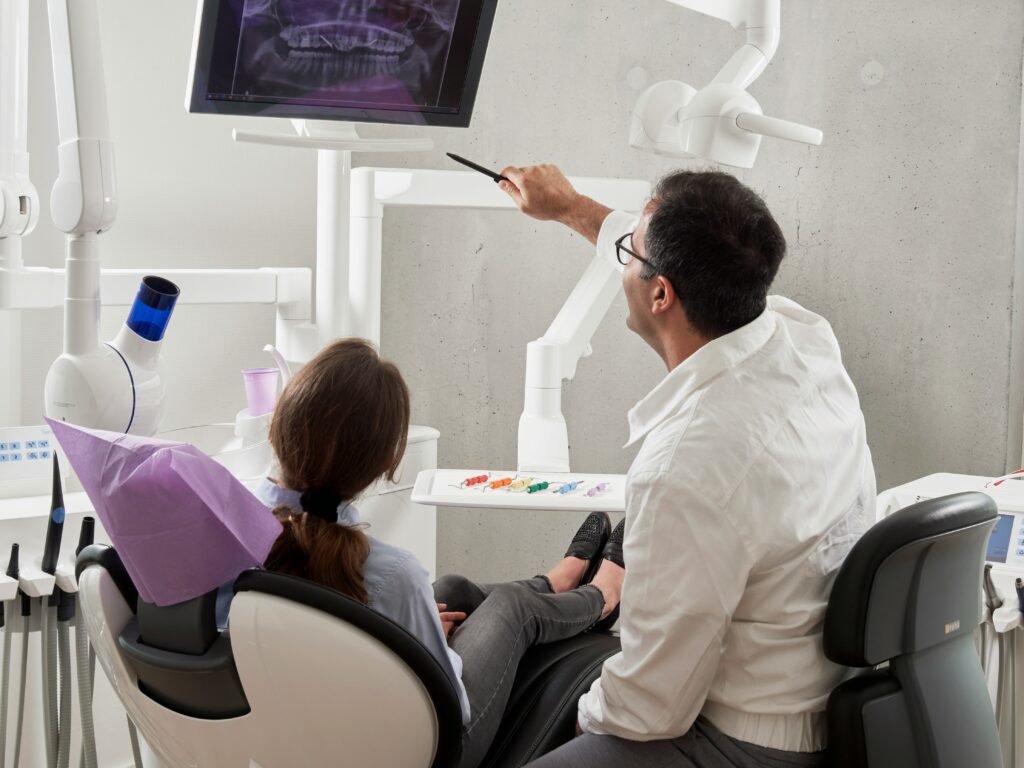
You might be feeling a dull ache when you bite, or maybe your gums bleed a little when you brush, and a part of you is hoping it will just go away. At the same time, another part of you worries that if you finally see a general dentist in Beaverton, OR, you will hear bad news or face a bill you are not ready for. That tug of war between “I should get this checked” and “I really don’t want to deal with this” is very common.end
Here is the simple truth. When you understand why preventive care sits at the heart of general dentistry, the whole picture changes. Instead of dentistry feeling like a series of emergencies and big procedures, it becomes a steady, manageable routine that protects your health, your comfort, and your budget. Preventive care means using regular checkups, cleanings, home care, and early treatment to stop small issues from turning into painful or expensive problems. It is quieter and less dramatic than fixing a broken tooth, yet it is what keeps you out of real trouble.
So where does that leave you right now. It means that even if you have delayed visits, you can still shift from reacting to problems to staying a step ahead of them, and your general dentist is your partner in that shift.
Why does preventive care matter so much in everyday dentistry?
Think about how dental problems usually start. A tiny cavity. A small patch of puffy gum. A bit of tartar that you cannot reach with a toothbrush. None of these feel urgent at first, so they are easy to ignore. Months go by. That small cavity reaches the nerve. The puffy gum becomes an infection. Suddenly you are in real pain, you need time off work, and you are faced with root canals, extractions, or gum surgery.
This is the “before and after” so many people experience. Before preventive care, dentistry feels like crisis management. After preventive care becomes a habit, appointments are faster, less invasive, and far less stressful. A preventive focus in general dentistry is what turns the dental chair from a place of fear into a place of quick checkups and minor tweaks.
The emotional side is real too. There is the embarrassment of “I know I should have come in sooner,” and the worry that a dentist will judge you. A good general dentist understands that people come in with busy lives, past dental trauma, or money concerns. The goal is not to blame you. The goal is to get you back to a healthier, calmer path, starting from where you are today.
Financially, preventive care is usually the most affordable care you will ever receive. A routine exam and cleaning costs far less than a crown or a dental implant. Insurance plans, when you have them, often cover a large portion of preventive visits because the data is clear. Consistent cleanings, exams, and X rays reduce the need for major treatment later. It is the same logic as changing the oil in your car. Skipping the small maintenance does not save money for long. It just delays a bigger repair.
Because of this tension between “I am fine for now” and “I might be headed toward a bigger problem,” you might wonder what preventive care actually includes in a general dentist’s office.
What does a general dentist really do to prevent problems?
Preventive care is not just a quick polish. A general dentist looks at your mouth as a system. Teeth, gums, jaw joints, muscles, and even signs that connect to your overall health. Here are some of the core pieces.
Regular exams let your dentist check for cavities, gum disease, worn or cracked teeth, bite problems, and signs of oral cancer. X rays reveal what the eye cannot see. Tiny areas of decay, bone loss around teeth, infections at the root, or impacted teeth. Professional cleanings remove hardened plaque that daily brushing and flossing simply cannot reach. Over time, this reduces the bacteria that cause decay and gum disease.
Your general dentist also looks closely at your daily habits. How you brush. Whether you floss. If you use fluoride toothpaste. If you grind your teeth at night. Simple coaching on technique plus the right tools can dramatically lower your risk of problems. The National Institute of Dental and Craniofacial Research has clear guidance on effective oral hygiene practices at home, and your dentist can help you apply those ideas in a way that fits your routine.
Preventive care is especially important as you get older. According to the CDC, many adults live with untreated cavities and gum disease, even though both are largely preventable. Their overview of oral health tips for adults shows how regular checkups, fluoride, and healthy habits can keep teeth longer and reduce the risk of painful emergencies.
All of this sits under the broader idea of routine dental care. That phrase can sound dull, yet it is what keeps you from having to make urgent, painful decisions later.
How does prevention compare to “wait and see” or DIY fixes?
You might be wondering whether it really matters if you skip a cleaning or handle things on your own with stronger brushing or mouthwash. To make this clearer, it helps to look at the tradeoffs in a simple comparison.
| Approach | Short term cost | Long term impact | Typical outcome |
| Regular preventive visits with a general dentist | Moderate, predictable | Lower risk of major treatment, better comfort | Small issues found early, fewer emergencies, easier appointments |
| “Wait and see” until there is pain | Low at first, then sudden and high | Greater chance of root canals, extractions, and tooth loss | More time in the chair, higher bills, more anxiety |
| DIY only, no dental visits | Very low upfront | Hidden problems progress without warning | Painful crises, infections, potential impact on overall health |
Research shows that untreated gum disease is linked to heart problems, diabetes control, and other medical issues. MedlinePlus explains that regular dental exams are important not only for your mouth but also as a window into your general health. In other words, preventive dental care supports more than just your smile.
So, where does that leave you if you have already delayed care or feel nervous about what a dentist might find. It means the best next step is not to judge yourself. It is to choose one small action that moves you toward protection instead of reaction.
What can you do right now to protect your teeth and gums?
1. Commit to a realistic checkup rhythm
If it has been a while, aim for a full exam and cleaning as your reset point. From there, most people do well with visits every six months, although some with gum issues need more frequent care. You do not have to map out your whole future. Just focus on booking that first appointment with a general dentist and let the team help you plan the next steps.
2. Upgrade your daily routine in small, specific ways
Preventive care at home is where you spend most of your time, and tiny changes can have a big effect. Brush twice a day with a fluoride toothpaste. Use a soft bristle brush and gentle circles rather than hard scrubbing. Floss once a day, even if it is only one or two teeth at first while you build the habit. Consider an electric toothbrush if your dentist recommends it. These steps lower the bacteria that cause decay and gum disease, which makes each visit to your dentist easier and faster.
3. Talk openly with your dentist about fears, budget, and goals
Preventive care works best when you feel safe being honest. If you are anxious, say so. If you are on a tight budget, ask about phased treatment and payment options. If you want to avoid major work in the future, ask your dentist to explain where your biggest risks are today. A strong general dental care plan is always tailored. It respects your limits and your priorities while still moving you toward better health.
How can you feel encouraged moving forward?
It is easy to feel behind with your oral health, especially if you have pain, old dental work, or memories of uncomfortable visits. Yet preventive care is forgiving. The moment you start, you begin to shift the odds in your favor. Each cleaning removes months of buildup. Each exam catches things that would otherwise grow quietly. Each honest conversation with your dentist builds trust and reduces fear.
You do not need a perfect history to benefit from prevention. You just need a decision that from now on, you will not wait for pain to tell you what your mouth needs. A general dentist can meet you exactly where you are and help you build a simple, steady routine that protects your teeth, your comfort, and your peace of mind.
Your next step is straightforward. Choose a general dentist you feel you can talk to, schedule a preventive visit, and use that time to ask questions and make a plan. One appointment can be the line between constant dental emergencies and a calmer, more predictable future for your oral health.