
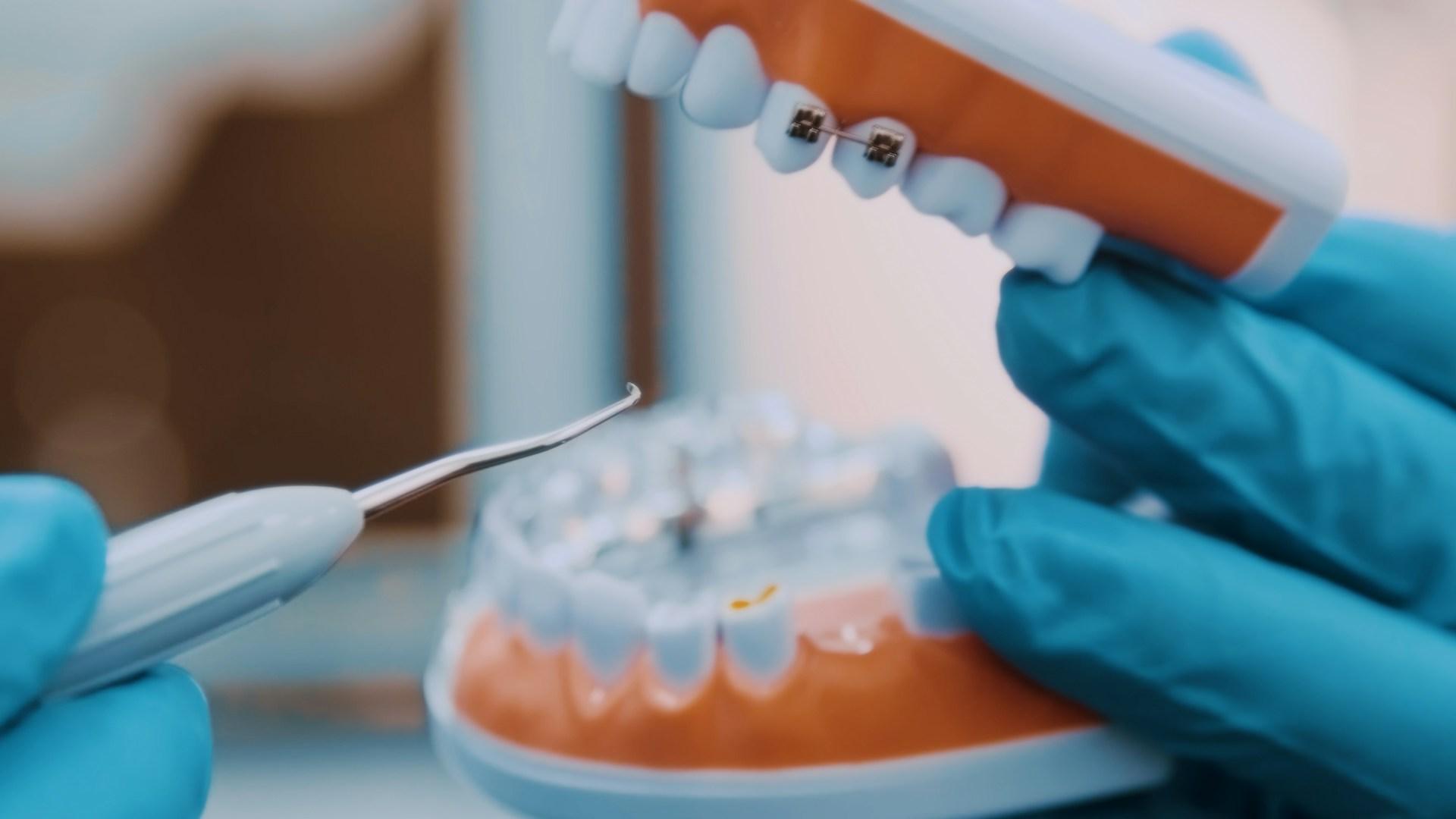
You might be sitting in the dental chair for a routine cleaning, expecting the usual “everything looks fine,” when your general dentist in Sherman Oaks pauses a little longer than usual. They mention crowding, a bite issue, or teeth that are wearing down. You nod, but inside, you feel a small knot of worry. Is this just a cosmetic thing, or is it serious enough that you might need braces or another orthodontic treatment?end
If you are feeling unsure or even a bit overwhelmed, that is completely normal. Teeth and jaws are not just about appearance. They affect how you eat, speak, and even how your jaw joints feel day to day. The short version of what follows is this. Your general dentist and orthodontist often work together. There are a few clear signs that tell them orthodontic care could protect your long term oral health, not only your smile. Understanding those signs makes any next step feel less scary and more like a thoughtful choice.
When does a “simple” dental visit turn into an orthodontic conversation?
One of the hardest parts is that you may not feel anything is wrong. Your teeth might look “good enough” in photos. You might chew without thinking twice. Then your dentist starts pointing out details you have never noticed. Because of this mismatch between what you feel and what they see, you might wonder if treatment is really necessary, or if you are being pushed toward something optional.
Here are three common signs a general dentist may recommend orthodontics, and why they matter.
Sign 1. Your bite is not lining up, even if your teeth look straight
You can have straight looking teeth and still have a bite problem. Your dentist might use terms like overbite, underbite, crossbite, or open bite. These describe how your upper and lower teeth meet when you close your mouth. When that meeting is off, the stress on your teeth and jaw spreads unevenly.
Imagine you always chew more on one side because the other side does not meet comfortably. Over time, that “strong” side can show extra wear, tiny fractures, or sensitivity. Your jaw joints may start to ache, and you might notice clicking or popping when you open wide. This is one of the reasons many dentists see orthodontics as a health treatment, not just an appearance upgrade. You can read more about what a normal bite and healthy mouth look like in these patient instructions on oral health.
So where does that leave you? If your dentist is focusing on the way your teeth come together, not just how straight they appear, they may suggest a consult with an orthodontist to protect your bite and jaw joints over the long run.
Sign 2. Crowding or spacing is making cleaning difficult
Crowded teeth are more than a cosmetic concern. When teeth overlap or twist, it becomes harder for a toothbrush and floss to reach every surface. Plaque and food debris settle in those tight corners. Even with good habits, you might still hear that you have early gum disease or repeated cavities between the same teeth.
On the flip side, large gaps can trap food and irritate your gums, which can also lead to inflammation and discomfort. Over time, both crowding and spacing can increase your risk of gum disease and bone loss around the teeth.
Your dentist may point to areas where you consistently get tartar buildup or bleeding gums and connect the dots for you. This is often when they bring up orthodontic treatment recommendations. Straightening the teeth can make everyday cleaning more effective, which matters a lot as you age. If you want a broader overview of how braces and aligners work, this summary on orthodontia from MedlinePlus is a helpful starting point.
Sign 3. Ongoing jaw pain, tooth wear, or speech issues
Sometimes the sign is not visual at all. You might mention headaches near your temples, pain when chewing tough foods, or feeling that your jaw gets tired quickly. Your dentist may notice flattened biting surfaces, chipped edges, or notches near the gumline that suggest you are clenching or grinding.
In other cases, they may notice that the position of your teeth affects how you pronounce certain sounds, or they may see that your front teeth do not touch, which can make biting into foods like sandwiches difficult. These functional problems can be tied to how the upper and lower jaws relate to each other.
When a dentist sees these patterns, they start thinking about the bigger picture. They know that untreated bite issues and misalignment can worsen over time. The National Institute of Dental and Craniofacial Research has more background on how oral conditions affect everyday life and overall health in its oral health information resources.
How do general dentists and orthodontists work together for you?
You might wonder who does what. A general dentist focuses on overall oral health. They monitor your teeth, gums, and jaw at every visit. When they see patterns that suggest alignment or bite problems, they often refer you to an orthodontist, who is trained to move teeth and guide jaw growth.
This partnership can be reassuring. Your dentist continues to handle cleanings, fillings, and gum care. The orthodontist designs and manages braces or aligners. Together they track how your teeth respond and adjust as needed. For a sense of the treatment tools used, you can explore common options on the American Association of Orthodontists treatment page.
Comparing “wait and see” with starting orthodontic treatment
It often comes down to a difficult choice. Do you wait and hope things do not get worse, or do you act now and commit time and money to treatment? The comparison below can help you think through what your dentist may be weighing.
| APPROACH | SHORT TERM IMPACT | LONG TERM RISKS | LONG TERM BENEFITS |
|---|---|---|---|
| “Wait and see” with no orthodontics | No appliances. No added appointments. Lower immediate cost. | Possible worsening crowding or bite. Higher risk of cavities and gum issues in hard to clean areas. Ongoing jaw discomfort or tooth wear may continue. | None if the problem progresses. Works only if alignment is stable and symptoms are mild. |
| Start orthodontic treatment | Requires braces or aligners. More visits. Temporary soreness or lifestyle adjustments. | Financial cost. Need to keep teeth very clean during treatment. Some inconvenience. | Improved bite and function. Easier cleaning. Lower risk of future dental repairs related to misalignment. Often better comfort and confidence. |
There is no one “right” answer for everyone. Age, budget, current symptoms, and your own priorities all matter. What does matter is that you understand why your dentist is suggesting a referral, so you can choose from a place of clarity rather than fear.
Three steps you can take right now if you suspect you need orthodontics
1. Ask your dentist for a clear explanation and visuals
During your next visit, ask your dentist to show you exactly what they are concerned about. This might include photos, X rays, or pointing out wear spots in a hand mirror. Ask questions like “What happens if I do nothing for five years” or “Is this mainly cosmetic, or is there a health risk.” A calm, honest conversation can make the idea of a general dentist and orthodontist working together feel more grounded and less abstract.
2. Schedule at least one orthodontic consultation
An orthodontic consult is your chance to hear specific options. You can ask about braces versus clear aligners, expected treatment time, and costs. You do not have to commit on the spot. Use the visit to understand what your unique bite or alignment needs, and how that connects to what your general dentist has observed.
3. Weigh both health and lifestyle in your decision
Make a simple list. On one side, write down the problems your dentist has mentioned, such as jaw pain, tooth wear, or difficulty cleaning. On the other side, note your worries about treatment, such as cost or appearance. Looking at both on paper can help you see whether starting orthodontic care now might prevent bigger issues later. You can then revisit the list with your dentist or orthodontist and talk through what feels realistic.
Moving forward with more confidence and less worry
If your general dentist has hinted that orthodontics could help, it is not a sign that you have failed at taking care of your teeth. It is a sign that your mouth is changing, as all mouths do, and that you have options to support it.
You do not need to decide overnight. Start by understanding the three signs. Bite issues, crowding or spacing, and functional problems like pain or wear. Ask questions. Seek a consultation. Then choose the path that best protects your comfort and health over time.
With the right information and a team that explains things clearly, orthodontic treatment becomes less about pressure and more about choice. You deserve that clarity and peace of mind as you consider your next steps.