
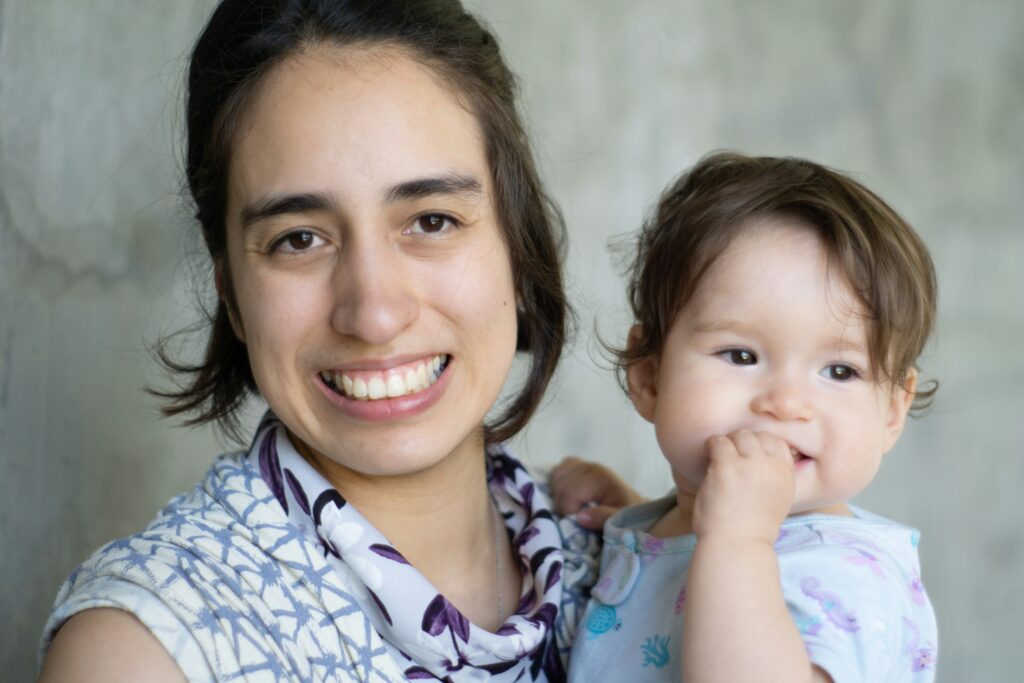
You might be looking at your child’s tiny teeth and wondering if a dentist visit with a dentist in San Jose CA is really necessary yet. There are no obvious cavities, your child still fights toothbrushing, and life is already busy. It can feel like one more appointment you are not sure you need.end
At the same time, there is a quiet worry in the background. You might remember your own childhood dental fears, or the cost of a surprise emergency visit, and you do not want that for your child. You want their smile to be healthy, and you want dental care to feel normal and calm, not scary.
The short answer is this. Early dental visits do far more than “check for cavities.” They shape habits, emotions, and routines that can protect your child’s teeth and confidence for years. They help you as a parent feel prepared instead of guessing. They make it much more likely your child grows up seeing the dentist as a partner, not as a place to be afraid of.
So where does that leave you if you are unsure when to start or what actually happens at those first appointments.
Why do early dental visits matter if baby teeth fall out anyway
It is easy to think, “They are just baby teeth, they will be gone soon.” Because of this, many families wait until there is a clear problem before they schedule a first visit.
The challenge is that tooth decay in baby teeth can move quickly. It can cause pain, trouble chewing, and sleep problems. Cavities in baby teeth can also affect how permanent teeth grow in. According to public health guidance on children’s oral health and prevention, cavities are one of the most common chronic conditions in children, yet they are largely preventable with early care.
There is also an emotional side. If a child’s first experience with a dentist is when they are already in pain and need urgent treatment, they are more likely to connect dental care with fear. When visits start early, in a calm setting, the dentist can simply “count teeth,” show the child the tools, and build trust. This creates a very different story in your child’s mind.
This is why many professionals recommend the first visit by the time the first tooth appears or around the first birthday. The American Academy of Pediatric Dentistry has clear guidance on the recommended schedule for exams and preventive care. It is not about “being early.” It is about staying ahead.
How do early appointments shape lifelong oral health habits
Think of the first few visits as dress rehearsals for a lifetime of dental care. During these early years, your child is learning what to expect, how to sit in the chair, and how adults respond when they are nervous.
Imagine two different paths. In the first, a child starts visiting a family dentist around age one. The visits are short, gentle, and encouraging. The dentist shows the parent how to brush, talks about snacks and drinks, and praises the child for trying. By the time the child is in school, dental checkups feel as routine as well-child medical visits.
In the second path, the family waits until something hurts. The first appointment involves urgent treatment. There may be needles, loud sounds, and a scared child. Even if the dentist is kind and careful, the child’s brain connects “dentist” with “pain.” Future visits are harder, and the parent feels guilty and stressed.
Both children might end up with the same number of teeth, but their habits and feelings are completely different. Early care is really about shaping those feelings and routines. That is what people often mean when they talk about the importance of children’s dental checkups in the early years.
There is also a benefit for you. You get clear answers to questions like “Is thumb sucking still okay,” “Do we need fluoride,” or “What about sippy cups and juice.” You are not expected to know all of this on your own. Ongoing visits give you a trusted place to ask, adjust, and feel supported.
What are the tradeoffs of waiting versus starting early
You might still be weighing the time, cost, and effort of starting now. It can help to compare what usually happens when families start early versus when they wait until a problem appears.
| Question | Starting early with routine visits | Waiting until there is a problem |
|---|---|---|
| Child’s emotional experience | Gradual, calm, trust-building visits. Fear is usually lower. | First visit may involve pain or urgent treatment. Fear is often higher. |
| Cost over time | Smaller, predictable costs for exams, cleanings, and prevention. | Higher risk of emergency visits, fillings, or more complex treatment. |
| Parent’s stress level | More control and planning. Guidance before problems start. | Stress from urgent decisions, missed school or work, and worry about pain. |
| Risk of cavities | Lower, because habits and diet are addressed early. | Higher, especially if brushing and snacks are not guided. |
| Child’s long term habits | Dental visits and brushing feel normal and expected. | Dental care may feel scary or only “for emergencies.” |
Looking at it this way, early care is less about “one more appointment” and more about trading a bit of time now for fewer crises later. That is how an early start with a kids’ oral care routine becomes such a powerful investment.
What can you do right now to protect your child’s smile
Even if you have not scheduled a first visit yet, there are simple steps you can take today that will make that first appointment smoother and your child’s teeth safer.
1. Start (or reset) a calm brushing routine
Twice a day is the goal. Use a small, soft toothbrush and a tiny smear of fluoride toothpaste for children under 3, then a pea sized amount after that, unless your dentist advises differently. If brushing has become a battle, shorten the time, use a song or short story, and focus on consistency instead of perfection. Your future dentist can help you fine tune technique. Your job right now is to make brushing a predictable, mostly peaceful part of the day.
2. Take a quiet look at snacks and drinks
Many cavities start not from big treats, but from constant sipping and grazing. Try to keep sugary drinks as an occasional treat, not an all day habit. Offer water between meals. If your child loves juice, talk with your dentist or pediatrician about how much is reasonable and whether to dilute it. Small changes here can dramatically lower the risk of decay even before the first professional cleaning.
3. Schedule that first preventive visit and ask your questions
When you call a children’s dental care provider, let them know your child’s age and that this is a first visit. A family oriented office will usually plan extra time to go slowly, explain things, and help your child feel safe. Write down your questions ahead of time, whether they are about pacifiers, thumb sucking, brushing battles, or fears. You are not expected to arrive with everything figured out. The goal is to leave feeling clearer and more confident.
Giving your child a healthy start with dental care
You are not alone if you have waited longer than recommended. Many parents do, often because no one explained why early care matters, or because life has simply been full. What matters most is what you choose to do next.
Those first visits are about more than teeth. They are about giving your child a sense of safety, giving yourself reliable guidance, and building everyday habits that quietly protect their health. One small step now can spare both of you a lot of pain and worry later.
If you feel a bit overwhelmed, that is understandable. Take a breath, choose one of the steps above, and move forward at a pace that works for your family. Your child does not need perfect teeth or perfect habits to begin. They just need a caring adult who is willing to start.