
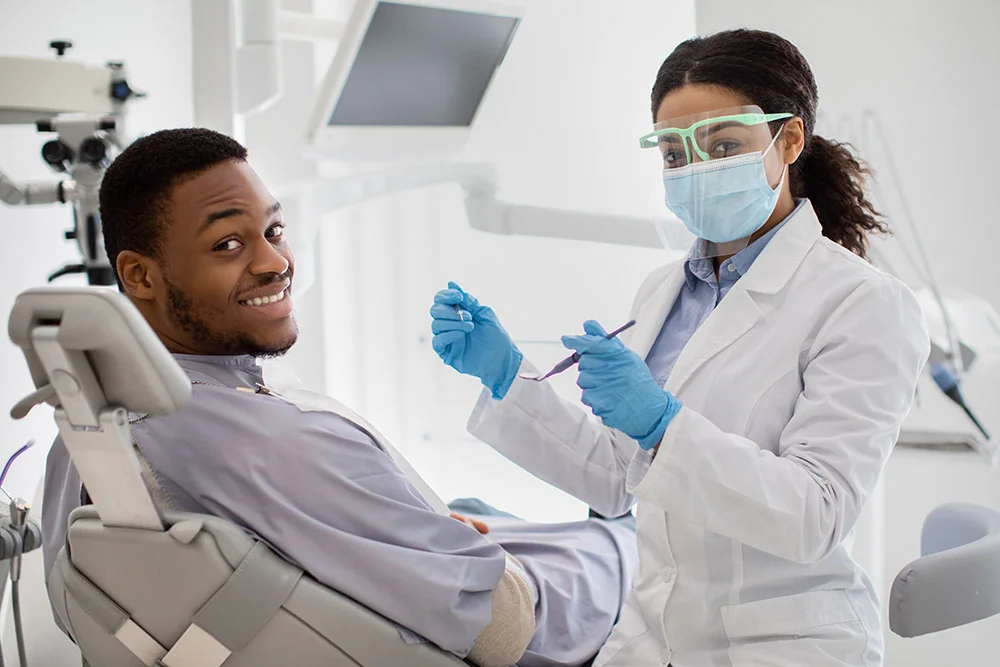
You might be here because you or someone you love avoids smiling in photos, covers their mouth when they laugh, or feels a little knot in the stomach before every dentist visit. Maybe your teen just got braces off and still hates their smile, or you are an adult who has spent years feeling “behind” because of chipped, stained, or crooked teeth. A Wall Township dentist understands how this can feel small on the surface, yet you know it affects almost everything, from social life to job interviews.end
Because of this tension, you might wonder if cosmetic dentistry is “too much,” too expensive, or too vain. At the same time, a quiet part of you is asking what it would feel like to simply smile without thinking.
Here is the short version. Modern cosmetic dental treatment for confidence is not just about looks. It helps teens and adults feel more at ease in their own skin, often improves oral health, and can be tailored to different budgets. You are not alone for caring about your smile, and you are not selfish for wanting it to look better.
Why a smile can feel so heavy for both teens and adults
For many teens, appearance becomes a kind of daily report card. A single comment about “crooked teeth” or “yellow teeth” can echo in their mind for years. Research on adolescent oral health shows that dental problems are common during the teen years, and they often go hand in hand with emotional stress and self-consciousness. You can see more about how common dental issues are for adolescents in data from the National Institute of Dental and Craniofacial Research.
Adults are not immune either. Coffee stains, old fillings, worn edges, or missing teeth can slowly change how you see yourself. You might avoid speaking up in meetings, hesitate on dates, or feel older than you really are. It is not just about vanity. It is about identity and feeling “put together.”
So where does that leave you when you know your smile is affecting your confidence, yet you are worried about cost, judgment, or pain?
Understanding the problem before jumping to solutions
It helps to name what is actually bothering you, instead of just saying “I hate my teeth.” Is it color, shape, gaps, crowding, old dental work, or something else. Each concern has different options, and some are simpler than you might think.
Imagine a few common situations.
A 16 year old has straight teeth after braces, but they are still uneven in length and slightly discolored. They are embarrassed in group photos, and every school event becomes a reminder. A small amount of reshaping and professional whitening could make their smile match the effort they already put in.
A 35 year old parent has one dark front tooth from an old injury and a chipped edge on another. They smile with their lips pressed together at work and feel like they look less professional. A single crown and a bit of bonding could restore both strength and appearance.
A 50 year old has worn, flattened teeth from years of grinding. Their face looks more tired, and they feel older than they are. Carefully planned crowns or veneers could rebuild tooth shape, protect the teeth, and support the lower face, which can change how they feel every time they look in the mirror.
In each case, the emotional weight is real. The problem is not only what others see. It is the constant self monitoring that drains energy and confidence.
How cosmetic dentistry quietly supports overall oral health
There is a common worry that anything “cosmetic” is unnecessary or risky. In dentistry, appearance and health are often connected. Straightening crowded teeth can make them easier to clean. Replacing broken or missing teeth can improve chewing and protect the jaw joints. Fixing worn edges can reduce cracks and sensitivity over time.
The Centers for Disease Control and Prevention points out that oral health is closely tied to overall health, including conditions like diabetes and heart disease. When someone feels good about their smile, they are usually more motivated to keep up with preventive care, which supports long term health.
That said, you still have to balance benefits with cost, time, and your own comfort level. Cosmetic dentistry is not “all or nothing.” Thoughtful planning with a family and cosmetic dentist can create a step by step path that fits your life.
What about cost, safety, and “doing too much” to your teeth
Money worries are real. Many adults feel guilty spending on their own teeth when kids, bills, or other needs come first. Teens might feel bad asking their parents for more dental work after braces or routine care. This is where honest conversation with a dentist matters. A good provider will help you understand which changes are mostly cosmetic and which also protect or restore function.
Public health resources recognize that adults often delay dental care for cost reasons. The Health Resources and Services Administration shares information about how lack of access affects adult oral health on their adult oral health resource page. Reading that can help you see that you are not alone if you have put things off.
“Doing too much” is another fear. People worry about teeth being drilled unnecessarily or looking fake. Modern cosmetic dentistry is far more conservative than it used to be. Whitening, bonding, small contouring, and clear aligners can all create real change with minimal or no removal of healthy tooth structure. The goal is not a perfect, identical smile. It is a natural, healthy look that still feels like you.
Comparing common options for confidence building smile care
To make choices clearer, it helps to see how different cosmetic options compare on cost, time, and impact. These are general ranges. A consultation with a dentist is the only way to get accurate numbers for your situation.
| Treatment | Common Uses | Typical Time Involved | Relative Cost Level | Confidence Impact |
|---|---|---|---|---|
| Professional Whitening | Yellow or stained teeth in teens or adults | One to three visits or a few weeks with trays | Low to moderate | Quick boost, especially in photos and first impressions |
| Bonding | Small chips, gaps, uneven edges | Usually one visit | Moderate | Visible change for targeted areas, very natural when done well |
| Clear Aligners or Braces | Crowded, rotated, or spaced teeth | Several months to a few years | Moderate to higher | Stronger bite and straighter smile, helps cleaning and long term health |
| Veneers or Crowns | Worn, discolored, misshapen, or heavily restored teeth | A few visits over several weeks | Higher | Major change in smile shape and color, often a big confidence shift |
| Implants or Bridges | Missing teeth in teens (after growth) and adults | Several months for healing and final teeth | Higher | Restores chewing, speech, and the feeling of a complete smile |
Seeing options laid out like this can ease some of the fear. You do not have to jump to the most complex or expensive choice. Many people start with one or two targeted treatments, then decide later if they want to do more.
Three practical steps you can take right now
1. Get clear on what bothers you most
Before you talk with any dentist, sit quietly and make a short list. Focus on what affects your daily life. For example, “I hide my teeth when I smile,” “I avoid close up photos,” or “I feel my teeth make me look older.” Then try to name the top one or two specific issues, like color, crowding, or a broken tooth. This clarity helps you and your dentist focus on changes that will truly support your confidence.
2. Schedule a consultation focused on confidence, not just cavities
When you call a family and cosmetic dentist, say that you want to talk about both health and appearance. Bring your list. Ask about conservative options first, such as whitening, bonding, or minor alignment. A thoughtful dentist will examine your teeth, explain what is realistic, and work with you on a plan that fits your goals and budget. If you are supporting a teen, involve them in the conversation so they feel heard and respected.
3. Protect the investment with small daily habits
Any cosmetic treatment works best when your mouth is healthy. Simple steps matter. Brush twice a day with fluoride toothpaste. Floss or use interdental cleaners daily. Keep regular cleanings and checkups. The CDC highlights how routine care supports long term oral health, which in turn supports any cosmetic improvements you choose. When you see your smile as something worth caring for, it reinforces the confidence you are building.
Moving toward a smile that feels like “you” again
Confidence does not come from perfect teeth. It comes from feeling that your smile matches who you are, and that you are not forced to hide a part of yourself. Thoughtful cosmetic dentistry for teens and adults can be a powerful tool in that process, especially when it is grounded in health, honesty, and your own values.
You do not have to live with a smile that makes you shrink back. With the right guidance from a trusted dental professional, you can explore options at your own pace and create changes that feel natural, not forced. The first step is simply deciding that your comfort and confidence are worth a real conversation about your teeth.