
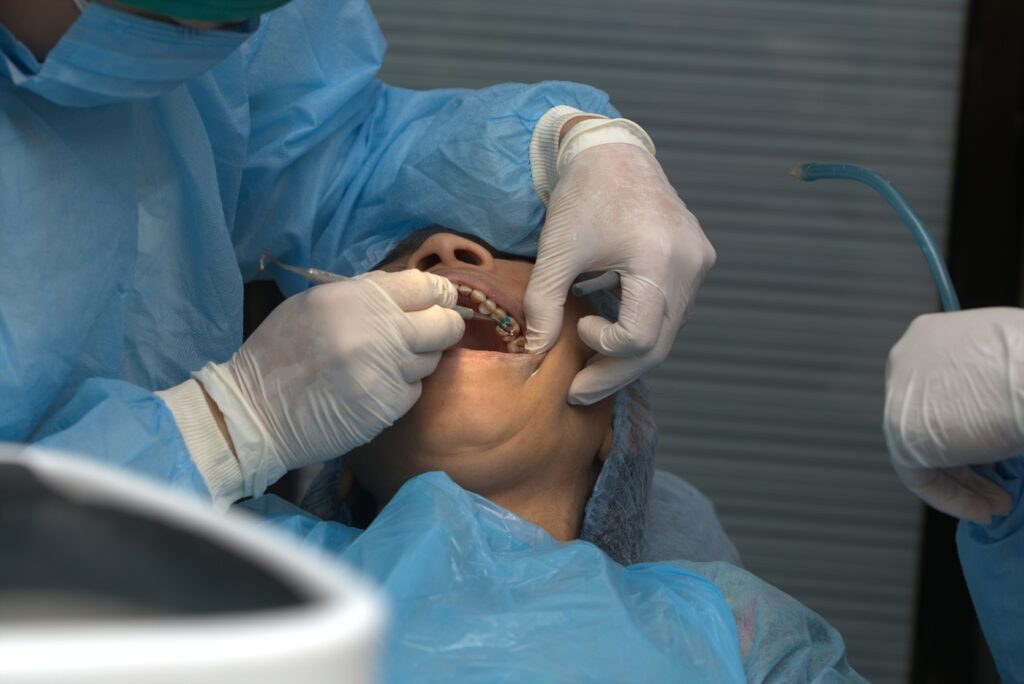
You might be feeling like you finally got into a rhythm with your child’s braces or aligners, and now you are being told they also need more frequent cleanings, special tools, and extra appointments. With the right support from family dentistry in Phoenix AZ, it can feel less overwhelming and more manageable. It can feel like a second part-time job. You are trying to protect their smile, juggle school and work schedules, and keep costs under control, all at the same time.end
When orthodontic treatment starts, everyday brushing and flossing suddenly become more complicated. Food gets trapped around brackets and wires. Gums can look puffy. Appointment calendars fill up. Because of this, you might wonder how often your child really needs to see the dentist, what should be coordinated with the orthodontist, and how to avoid problems like cavities or white spots on the teeth.
The short answer is this. When you coordinate regular dental cleanings with active orthodontic care, you reduce emergencies, protect your investment in braces or aligners, and make the whole process smoother for your family. You do not need perfection. You just need a clear plan, a bit of structure, and support from a trusted family dentist and orthodontist working as a team.
Why do cleanings feel harder once braces or aligners go on?
Think back to life before orthodontic treatment. Brushing took two minutes. Dental checkups were twice a year. You might have worried about a cavity here or there, but most of the time it felt manageable.
After treatment begins, everything changes. Brackets and wires create ledges where plaque can sit. Clear aligners need to be removed and cleaned. Your child may be sore after adjustments, so they brush less thoroughly. Suddenly, you are hearing about decalcification, gum inflammation, and the risk of damage that can undo months of orthodontic progress. It is a lot to process.
Underneath the stress is a simple truth. Orthodontic appliances make it easier for plaque to hide and harder for your child to clean well. Without coordinated care between your dental cleanings and orthodontic visits, even a motivated child can fall behind.
So where does that leave you?
It leaves you trying to balance three things. Keeping your child’s teeth healthy today, protecting the outcome of their orthodontic treatment tomorrow, and managing time and money in a realistic way.
What can go wrong if dental cleanings and orthodontic care are not aligned?
Coordinating dental cleanings with active orthodontic treatment matters because the risks are quiet at first. You may not see a problem until it has grown. Here are some common scenarios families run into.
A child starts braces with healthy teeth. After a year of busy sports seasons and missed cleanings, the dentist notices white chalky spots where plaque has sat around brackets. Those spots are early signs of permanent damage to the enamel. The braces might straighten the teeth, but the smile still does not look the way you hoped.
Another child does great with brushing but only sees the dentist once a year during active treatment. Tartar builds up in hard to reach areas around the brackets. Gums become puffy and bleed easily. The orthodontist has to slow down treatment or avoid certain tooth movements, which stretches a planned 18 month timeline into 24 months or more.
Some families feel the cost strain. They assume orthodontic checkups replace cleanings, then face surprise bills for fillings or gum treatment later. It feels unfair, even though the problem was gradual.
These stories are not meant to scare you. They highlight why a coordinated approach is so important. When your family dentist and orthodontist talk to each other and you have a clear schedule of cleanings, your child has a much better chance of finishing treatment with straight teeth that are also strong and healthy.
How often should cleanings happen during braces or aligners?
For many children and teens in active orthodontic care, cleanings every three to four months work better than the traditional twice a year routine. This gives your dental team more chances to remove plaque and tartar around brackets and to coach your child on brushing and flossing. The Illinois Department of Public Health offers simple guidance on oral care for orthodontic patients that can help you set expectations at home.
For children using clear aligners, the schedule can sometimes stay closer to every six months, but that depends on how well they clean their teeth and trays. Aligners can trap bacteria around the teeth if they are popped in after snacks without brushing, so they are not automatically “easier.”
The best timing depends on your child’s individual risk. A history of cavities, sugary drinks, or difficulty with brushing usually means more frequent cleanings are wise. Coordinated care means the dentist and orthodontist share this information and adjust schedules together.
Coordinated care vs “winging it” during orthodontic treatment
You might be wondering what difference it really makes to plan this out. The contrast between a coordinated plan and a “we will see what happens” approach is often clear over the course of treatment.
| Approach | What It Looks Like | Common Outcomes |
|---|---|---|
| Coordinated cleanings with active orthodontic care | Dental cleanings are scheduled on a 3 to 6 month cycle. The dentist and orthodontist share notes about gum health, enamel spots, and hygiene. Parents and child know the plan. | Fewer emergencies. Lower risk of cavities and white spots. Treatment stays closer to the original timeline. Final smile looks straighter and healthier. |
| “Winging it” during orthodontic treatment | Cleanings are delayed or skipped. Parents assume orthodontic visits cover dental checkups. Communication between providers is limited. | Higher chance of gum inflammation and enamel damage. More surprise fillings. Possible treatment delays. Final result may be straight teeth with visible damage. |
Coordinated care is not about perfection. It is about giving your child enough support and structure so normal slips in brushing or diet do not turn into long term problems. Resources on good daily oral hygiene can help you fill in the gaps between visits.
Three practical steps to coordinate cleanings with orthodontic treatment
1. Build a shared calendar for dental and orthodontic visits
Start by mapping out the next 12 months. If your child is in active braces or aligners, plan dental cleanings every three to four months unless your dentist advises otherwise. Place these on the calendar alongside orthodontic adjustment visits.
Whenever you are at the orthodontist, glance at the calendar and confirm the next cleaning still works. If not, reschedule before you leave the office. This simple habit cuts down on last minute scrambles and missed appointments.
2. Ask your providers to communicate about your child’s mouth
You are allowed to ask for teamwork. At your next visit with the family dentist, mention that your child is in active orthodontic treatment and that you want cleanings coordinated with the braces schedule. Ask if the office can share notes or photos with the orthodontist about any concerns like early white spots, inflamed gums, or tartar buildup.
Do the same at the orthodontist’s office. Ask if they see areas that are hard for your child to clean and whether those notes can be passed along to the dentist. This is how a true coordinated dental and orthodontic care plan starts to form, even if the offices are separate.
3. Create a simple home routine that matches the level of treatment
Daily habits fill the gap between cleanings and adjustments. Focus on a routine your child can realistically follow. For example, brushing morning and night with a fluoride toothpaste, extra attention around brackets or attachments, and one time a day with floss threaders or a water flosser.
Keep it visible. A checklist on the bathroom mirror or a small chart can help. You do not need to supervise forever. The goal is to build habits that make professional cleanings more effective and shorten the time your child spends in the dental chair.
How to think about your “family dentist and orthodontist” as a single team
Even if your providers are in different offices, you can think of them as one blended support system for your child’s smile. Your orthodontist is guiding the movement of the teeth. Your family dentist is protecting the health of those teeth and the gums that support them. Both are needed for a strong outcome.
When you coordinate dental cleanings with active orthodontic treatment, you are not just checking boxes. You are lowering the risk of long term damage, protecting the time and money you have invested, and showing your child that their health is worth planning for.
You do not have to figure this out alone. Start the conversation at your next appointment. Ask how often cleanings should happen during treatment, what signs of trouble to watch for at home, and how your providers can share information. A steady, coordinated approach will carry your family through treatment and into a future where your child can enjoy a straight, healthy smile with confidence.