• Skip to main content
  • Skip to primary sidebar
  • Skip to footer

Live SV logo

  • Home
  • About
  • Life & Success
  • Travel
  • Business
  • Finance
  • Blog
  • Business
  • Health
  • Technology
  • Contact Me

Health

3 Ways Family Dentists Help Track Long-Term Oral Growth

March 12, 2026

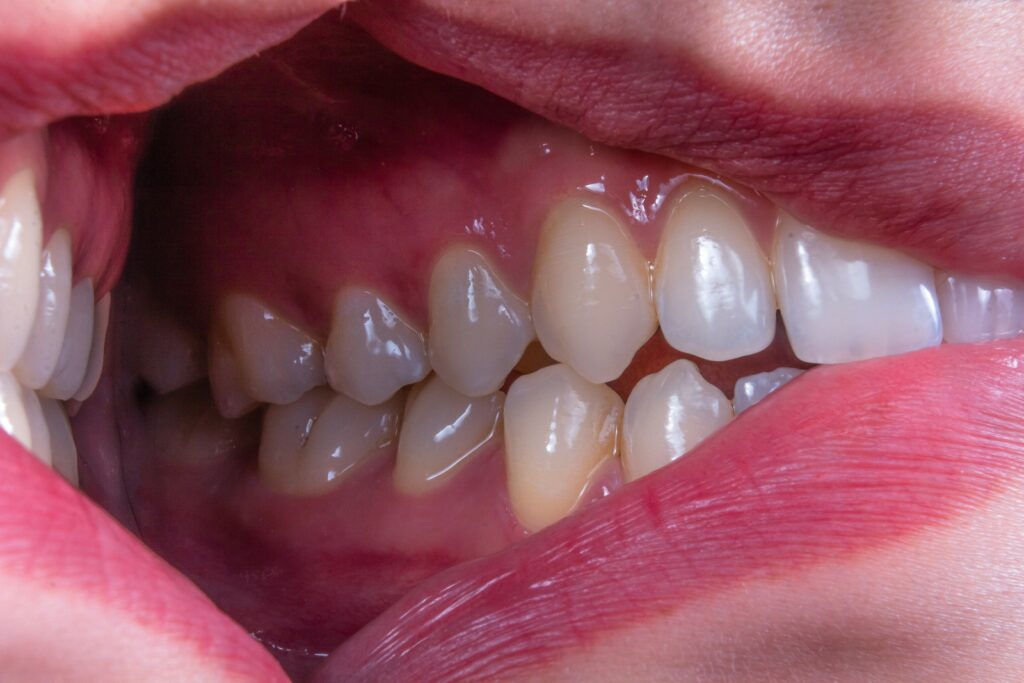
Your mouth changes through every stage of life. Teeth shift. Jaws grow. Small problems quietly turn into painful ones. A trusted family dentist guides you through these changes and keeps a record of them. This record shows patterns that you might miss in the mirror. It also gives your child a safer path toward adult teeth. A dentist in Jonesboro, AR watches how teeth line up, how gums respond, and how habits like grinding or thumb sucking affect growth. Regular visits create a clear story of your mouth over time. That story helps catch crowding early. It helps prevent tooth wear. It also supports speech and eating. You gain clear answers instead of guesswork. You also gain a plan that fits your family’s needs and schedule. The next sections explain three direct ways a family dentist tracks long-term oral growth and protects your health.

1. Regular Exams That Build a Growth History

Every checkup adds another chapter to your growth story. Each visit gives your dentist new facts about how teeth and jaws change over months and years.

During routine exams, your family dentist:

  • Looks at how baby teeth come in and fall out
  • Checks how adult teeth break through the gums
  • Watches for crowding, spacing, and bite problems

Over time, these notes show clear patterns. Your dentist can see if your child loses baby teeth early or late. Your dentist can also see if adult teeth twist, tip, or turn out of line.

Early data helps you act before problems grow. The Centers for Disease Control and Prevention explains that early care lowers the risk of cavities and later tooth loss. You give your child a stronger start when changes are tracked from the first tooth.

For adults, routine exams show how stress, grinding, or missing teeth change your bite over time. A small chip one year can grow into a crack the next year. Regular visits catch that shift before pain or infection sets in.

Common Growth Changes Your Dentist Tracks Over Time

Age Range Key Changes What Your Dentist Watches


0 to 5 years Baby teeth coming in Teething pattern, early cavities, thumb sucking impact
6 to 12 years Mixed baby and adult teeth Timing of tooth loss, crowding, bite shifts
13 to 19 years Full adult teeth, jaw maturing Wisdom teeth position, grinding, sports injuries
20 to 40 years Stable teeth, life stress Wear from clenching, gum changes, tooth movement
40+ years Slower healing, gum loss risk Bone support, loose teeth, root exposure

This steady history gives you and your dentist a clear view. You do not guess. You act based on proof gathered over the years.

2. X‑Rays and Photos That Reveal Hidden Changes

Some changes hide under the gums or behind other teeth. Your eyes cannot see them. Your dentist uses X-rays and photos to uncover these quiet shifts.

Common images include:

  • Bitewing x‑rays that show cavities between teeth
  • Panoramic x‑rays that show the whole jaw and sinuses
  • Digital photos that track tooth wear and gum lines

The National Institute of Dental and Craniofacial Research notes that decay and bone loss can start long before you feel pain. Images help find this damage while it is still small.

Here is how these tools help track long-term oral growth:

  • They show how roots form and if they stay strong
  • They reveal if adult teeth are stuck or turned the wrong way
  • They measure bone levels that hold teeth in place

For children, X-rays show if there is enough space for incoming adult teeth. If the jaw is too narrow, your dentist can suggest early treatment that gently guides growth. That choice can prevent more complex work later in life.

For adults, repeated images give a timeline. You can see if bone loss gets worse or stays steady. You can also see if fillings, crowns, or implants stay stable. Each set of images becomes a “before and after” that shows real change, not guesswork.

3. Bite, Habits, and Lifestyle Checks That Shape a Long-Term Plan

Teeth do not grow alone. Your bite, your habits, and your daily life shape how your mouth changes. A family dentist studies all three and adjusts your care plan as you age.

During visits, your dentist often:

  • Checks how your top and bottom teeth meet when you bite
  • Looks for signs of grinding, clenching, or nail biting
  • Asks about sports, snoring, mouth breathing, or dry mouth

These simple checks help your dentist see risk early. For example, grinding can flatten teeth and strain jaw joints. Mouth breathing can dry gums and raise cavity risk. A poor bite can strain certain teeth and lead to cracks.

By tracking these patterns over time, your dentist can:

  • Suggest mouthguards for sports or night grinding
  • Refer your child for early orthodontic review when needed
  • Adjust cleaning routines if your risk for decay or gum disease rises

This creates a long-term plan that grows with you. A plan for a toddler focuses on brushing help and cavity prevention. A plan for a teen might focus on braces and wisdom teeth. A plan for an adult might focus on wear, gum health, and missing teeth.

How You Can Support Long-Term Tracking at Home

Your daily habits give strength to all this tracking. You do not need special tools. You only need steady effort.

Focus on three simple steps:

  • Brush with fluoride toothpaste two times each day
  • Clean between teeth once each day with floss or another tool
  • Keep regular checkups, even when nothing hurts

These steps give your dentist a clear view of growth. They also lower the chance that small changes turn into urgent problems between visits.

Putting It All Together

Family dentists do more than fix teeth. They watch how your mouth changes across years. They use exams, images, and habit checks to build a clear record of growth. That record guides smart choices for your child and for you.

When you stay with one trusted dentist, you gain history. You gain early warnings. You gain care that fits your stage of life. That steady support turns quiet changes into clear action and keeps your mouth stronger for the long term.

Filed Under: Health

How General Dentistry Strengthens The Link Between Oral And Heart Health

March 9, 2026

Your mouth and your heart share more than you think. Bleeding gums, loose teeth, or constant bad breath are not small annoyances. They can warn you about strain on your heart. Bacteria from gum disease can enter your blood. Then it can raise inflammation that harms blood vessels and heart tissue. Routine cleanings, early cavity checks, and gum care protect more than your smile. They support your heart. You deserve clear facts, not fear. You can control many risks with steady habits and a trusted partner in care. That starts with brushing, flossing, and regular visits with a dentist in Pekin, IL. Each visit checks for silent problems. Each step lowers hidden strain on your heart. This blog explains how general dentistry guards both your mouth and your heart so you can face each day with strength and steady confidence.

How Your Gums Connect To Your Heart

Gum disease starts with plaque. Plaque holds bacteria close to your gums. When plaque stays, your gums swell and pull away from your teeth. Then pockets form and fill with more bacteria. Those germs and their toxins can slip into your blood.

Once in your blood, they do three harmful things.

  • They trigger body wide inflammation that stresses your heart.
  • They can speed up narrowing of arteries.
  • They can raise the risk of clots that block blood flow.

The American Heart Association explains this connection between gum disease and heart disease in clear terms.

What General Dentistry Does For Your Heart

General dentistry protects your heart in three main ways. It prevents disease. It finds disease early. It limits flare-ups that strain your body.

During a routine visit, your dental team will:

  • Clean away hard tartar that holds bacteria near your gums.
  • Check your gums for bleeding, swelling, and pocket depth.
  • Check teeth for decay that can feed more bacteria.
  • Review your health history, blood pressure, and medicines.

Early treatment of gum problems lowers the amount of bacteria that can reach your blood. This can help calm inflammation. It can also help keep blood pressure and blood sugar steadier. The National Institute of Dental and Craniofacial Research shares plain facts here: Periodontal (gum) disease.

Comparing Gum Health And Heart Risk

You cannot see inside your arteries. You can see your gums. This table gives a simple comparison that helps you judge your risk.

Gum health sign What you may notice Heart risk meaning General dentistry action


Healthy gums No bleeding when brushing. Breath smells clean. Lower level of inflammation in your body. Routine cleaning every 6 months. Simple home care.
Mild gum disease Red gums. Bleeding when brushing or flossing. Rising inflammation. Higher strain on blood vessels. Deeper cleaning. Coaching on brushing and flossing.
Moderate gum disease Swollen gums. Bad breath. Teeth feel a little loose. Greater risk of artery damage and heart events. Scaling and root planing. Close follow-up visits.
Severe gum disease Loose teeth. Pus near gums. Pain when chewing. High ongoing inflammation. Higher risk of stroke and heart attack. Advanced gum treatment. Possible extractions. Medical team contact.

Why Heart Patients Need Strong Oral Care

If you already have heart disease, high blood pressure, or diabetes, your mouth needs close care. Your body has less reserve. Infections spread faster. Swelling takes longer to calm. Even small gum infections can push your heart to work harder.

Your general dentist can:

  • Review heart medicines that may dry your mouth or increase bleeding.
  • Plan cleanings that fit with your cardiology visits.
  • Use gentle methods to limit stress and pain.
  • Share notes with your heart doctor when needed.

Clean teeth also help you chew well. This supports better food choices and weight control. Both protect your heart.

Daily Habits That Support Mouth And Heart

Your daily choices build protection. Simple habits matter. Together, they form a shield for both teeth and arteries.

Focus on three steady steps.

  • Brush twice a day with fluoride toothpaste for two full minutes.
  • Floss once a day to clear plaque where a brush cannot reach.
  • Limit sugary drinks and snacks to protect both teeth and blood sugar.

Then add three support habits.

  • Drink water often to wash away food and keep saliva flowing.
  • Do not smoke or vape. These hurt gums and blood vessels.
  • Move your body most days to strengthen your heart.

How To Talk With Your Dentist About Heart Health

You deserve clear, direct talks about your health. At your next visit, share your full medical history. Include heart issues, blood pressure, diabetes, sleep apnea, and all medicines. Bring a list if that feels easier.

Then ask three questions.

  • Do you see any signs of gum disease or infection today?
  • How might my mouth health affect my heart risk?
  • What specific steps should I take at home before my next visit?

Honest answers help you act early. They also help your dentist plan safe care that respects your heart condition.

When To Seek Care Right Away

Do not wait if you notice any of the following.

  • Gums that bleed every time you brush.
  • New bad taste or smell that will not go away.
  • Loose teeth or sudden gaps between teeth.
  • Swelling in your face or jaw with pain or fever.

Quick treatment can stop the spread of infection. It can also lower stress on your heart. If you also feel chest pain, shortness of breath, or sudden weakness, call emergency medical services at once.

Stronger Mouth, Stronger Heart

Your teeth and gums tell a clear story about your heart. Bleeding, swelling, and loose teeth are early warning signs. You do not need to face them alone. With steady home care and regular visits with a trusted general dentist, you can cut down on silent inflammation and protect your heart.

Start where you are today. Pick one habit to strengthen. Then schedule your next checkup. Each small step brings calmer gums, easier breathing, and a more secure heart.

Filed Under: Health

4 Ways Dental Teams Create Predictable, Stress Free Visits

March 5, 2026

Dental visits often stir up fear, especially when you or your child needs extra support. You might worry about pain. You might feel judged. You might brace for long waits and confusing answers. You deserve calm, clear care instead. You deserve a visit that feels safe from the first phone call to the ride home. A special needs dentist in San Jose, CA uses simple steps that any dental team can copy. These steps reduce surprises. They protect your time. They respect your limits. They also guide your choices so you feel in control. This blog shares four ways dental teams create visits that feel predictable and free of pressure. You will see how planning, clear talk, gentle pacing, and follow-up can turn dread into trust. You can then ask for these same steps at your next visit and expect steady, respectful care.

1. Plan Before You Sit In The Chair

Stress often starts before you even reach the office. Strong planning cuts that stress. It turns a vague fear into a clear plan. You know what will happen. You know who will help.

You can expect a prepared dental team to:

  • Ask about your medical history, sensory needs, and past trauma during the first call
  • Offer longer visit times for children or adults who need more breaks
  • Suggest the first or last visit of the day for a quieter office

The team may send simple forms, photos of the office, and a step-by-step visit outline. They may also ask what helps you feel safe. That can include music, a comfort item, or a support person in the room.

The National Institute of Dental and Craniofacial Research stresses that early and regular planning helps prevent pain and crisis visits. Routine care feels calmer when you know what is coming and why it matters.

2. Use Clear, Honest Talk Every Step Of The Way

Unclear talk feeds fear. Clear talk calms it. You deserve words that make sense. You also deserve the truth about what you will feel.

A strong dental team will:

  • Use short words and short sentences to explain each step
  • Say what you might feel in plain terms, such as pressure, cold water, or a quick pinch
  • Check that you understand and invite questions without rushing you

Many teams use the “tell, show, do” method. They tell you what will happen. Then they show you a tool or model. Finally, they do the step only after you agree. This method helps children and adults. It builds trust through small promises kept.

Truthful talk also means they explain choices. You hear what happens if you wait. You hear what happens if you treat now. You get clear costs in writing. You then choose with less fear and less regret.

3. Pace The Visit To Match Your Needs

Speed can cause panic. Slow care with no plan can cause boredom and more fear. The best visits use a pace that fits you.

Your dental team can adjust pace in three simple ways.

  • They break visits into short parts instead of one long session
  • They build in planned breaks for stretching, bathroom, or quiet time
  • They use simple comfort steps such as numbing gel, soft lighting, or sunglasses

The team should also give you a clear signal you can use to pause care. You might raise your hand. You might tap the chair. When you use the signal, they stop and ask what you need. That control can lower your heart rate and calm your breathing.

Research from the Centers for Disease Control and Prevention shows that people who feel in control during care keep up with regular visits. Regular visits then mean fewer urgent problems. Fewer urgent problems mean less pain and less fear over time.

4. Support You After The Visit

Stress does not end when you leave the office. Pain, confusion, and money worries can return at home. Strong follow-up keeps that stress from growing.

A supportive dental team will:

  • Send clear written instructions for eating, brushing, and medicine
  • Offer a phone number for urgent questions after hours
  • Plan the next visit before you leave so you avoid long gaps in care

Some teams also use text reminders or secure messages. Those tools help you remember care steps and visit times. They also give you a way to ask small questions before they turn into big problems.

How Planning And Clear Care Change Stress

The table below shows how simple steps can shift your visit from tense to steady. Each step does not fix every problem. Still, together they create a pattern of calm that you can feel.

Visit Step Without Planning With Planned Support


Before The Visit Unclear time, unknown staff, no sensory plan Set time, named staff, plan for noise, lights, and breaks
During Check In Rushed forms, long wait, loud lobby Short forms, shorter wait, quieter space when needed
Treatment Talk Hard words, no choices, fear of pain Plain words, clear options, honest talk about feeling
Procedure Pace No breaks, no stop signal, rising panic Planned breaks, clear stop signal, sense of control
After The Visit Foggy memory of instructions, missed follow-up Written steps, easy contact, next visit on the books

How You Can Ask For These Four Steps

You have a right to clear, steady care. You can ask for these four steps even if your current office does not offer them yet. You can start with three simple questions during your next call.

  • “How do you plan visits for people who feel fear or need extra support?”
  • “Can you walk me through what will happen during my visit in plain terms?”
  • “How can I reach the team if I have questions after I go home?”

If the answers feel vague, you can keep looking for a team that offers more structure and more respect. A good team will not take your questions as a burden. They will see them as a sign that you care about your health and your peace of mind.

Predictable, stress-free visits are not a luxury. They are a basic part of safe care. With planning, clear talk, careful pacing, and strong follow-up, you can move from dread to steady trust one visit at a time.


Filed Under: Health

The Role Of General Dentistry In Enhancing Smile Makeover Outcomes

March 3, 2026

Your smile makeover does not start with cosmetic work. It starts with strong, healthy teeth and gums. General dentistry gives you that base. A Roseville dentist checks for decay, infection, grinding, and gum disease before any whitening or veneers. This step protects you from pain and damage later. It also helps your cosmetic work last longer. You deserve more than a quick fix. You need care that looks at your bite, your habits, and your daily routine. Regular cleanings, fillings, and simple corrections support any makeover plan. They also lower your risk of broken teeth, failed crowns, or stained bonding. This blog explains how basic checkups, X rays, and simple treatments guide every smart smile change. It shows why skipping this step can sabotage your results. It also offers clear steps you can take with your general dentist to protect your time, money, and comfort.

Why a healthy mouth comes before a new smile

Cosmetic work only rests on what already exists. If you have untreated cavities, gum infection, or jaw pain, cosmetic work covers problems instead of fixing them. That approach often fails. Crowns crack. Veneers pop off. Whitening hurts.

General dentistry focuses on three simple goals. You chew without pain. You keep your teeth. You control infection. Those goals matter for every age. They matter even more when you want a new smile that lasts through daily use, stress, and time.

Routine visits also catch problems early. A small cavity or mild gum swelling is easier to treat than deep decay or loose teeth. You save money. You save time in the chair. You also reduce fear, because early care often needs less drilling and fewer injections.

Key general dentistry steps before cosmetic work

Before a smile makeover, your dentist will often follow a clear order of care. Each step supports the next one.

  • Full exam and X rays. Your dentist checks each tooth, your gums, your bite, and any past dental work. X rays show bone loss, infection, and hidden decay.
  • Cleaning and plaque removal. A hygienist removes tartar above and below the gumline. Clean teeth give a clear view and help your gums heal.
  • Treatment of cavities. Fillings or crowns repair weak spots. This stops decay from spreading under any new cosmetic work.
  • Gum care. Scaling and root planing or other gum treatments reduce bleeding and swelling. Healthy gums frame your smile and hold teeth in place.
  • Bite check. Your dentist looks for grinding, clenching, or teeth that hit too hard. A guard or small bite changes can protect both natural teeth and new restorations.

The National Institute of Dental and Craniofacial Research explains that untreated gum disease and decay increase the loss of teeth and bone. That same process can ruin a smile makeover if you skip general care first.

How general dentistry improves cosmetic results

Strong basic care does more than prevent problems. It improves how your new smile looks and feels. Here is a simple comparison.

General Dentistry Step Without This Step With This Step


Regular cleanings Stains return fast. Gums bleed. Whitening looks uneven. Stains reduce. Gums stay firm. Whitening looks even and bright.
Treating cavities Decay spreads under veneers or crowns. Pain rises. Teeth stay solid. Cosmetic work bonds to clean, strong enamel.
Gum therapy Red, puffy gums distract from straight, white teeth. Pink, tight gums frame teeth. The smile looks natural.
Bite adjustment or night guard Grinding chips porcelain. Repairs cost more. Teeth and veneers last longer. Jaw feels more relaxed.
Home care coaching Brushing and flossing stay weak. Plaque builds. You clean better at home. Results hold longer between visits.

Each simple step adds strength and stability. Together, they support cosmetic changes that feel natural and stay in place.

Common general treatments that shape your makeover

Several routine treatments have a direct effect on how your smile makeover turns out.

  • Fillings and crowns. These repair broken or decayed teeth so they can handle veneers, bridges, or whitening.
  • Root canal treatment. This removes infection from inside a tooth. The tooth can then support a crown instead of being removed.
  • Extractions when needed. Sometimes a tooth is too damaged to save. Removing it first allows a plan for an implant, bridge, or denture that looks natural.
  • Preventive sealants for younger patients. These protect deep grooves on back teeth. They help keep future cosmetic options open.

The Centers for Disease Control and Prevention shows that nearly half of adults have some form of gum disease. Treating these problems first gives any makeover a better base.

Planning your smile makeover with a general dentist

You play an active role in planning. During your visit, speak up about what you want. Whiter teeth. A more even look. Less crowding. Less pain when you chew.

Your general dentist can then build a plan with three parts.

  • First, fix urgent problems such as infection or large cavities.
  • Next, stabilize your mouth with cleanings, gum care, and bite work.
  • Finally, add cosmetic steps such as whitening, bonding, or veneers as needed.

Ask for photos or models when possible. Visual aids help you see the order of treatment. They also help you understand timelines and costs. You can then make choices that match your goals and your budget.

Simple steps you can take today

You can support your future smile makeover long before the first cosmetic visit.

  • Brush two times each day with fluoride toothpaste.
  • Floss or use another cleaner between teeth once each day.
  • Limit drinks and snacks with sugar. Sip water more often.
  • Wear a mouthguard during sports and a night guard if your dentist recommends it.
  • Schedule regular checkups and cleanings, even if your mouth feels fine.

These small steps lower your risk of new decay or gum disease. They also show your dentist that you are ready to protect any cosmetic work you receive.

General dentistry as your long-term partner

A smile makeover is not a single event. It is a process. General dentistry guides the process at every step. It prepares your mouth, supports your cosmetic treatment, and protects the results over time.

When you treat routine care as the core of your makeover, you get more than a nice photo. You get a smile that works well for eating, speaking, and daily life. You also gain peace of mind. You know your new smile rests on a strong, clean, and healthy base that can carry you through the years ahead.


Filed Under: Health

6 Ways Family Dentistry Supports Healthy Development In Kids

March 3, 2026

Your child’s mouth changes fast. Baby teeth come in. Jaws grow. Adult teeth start to push through. Each change affects how your child eats, speaks, and feels about smiling. A trusted family dentist guides every step. Regular visits do more than fix cavities. They shape healthy habits, steady growth, and strong confidence. Early care can catch problems before they hurt. It can also lower fear and build trust. That matters when your child faces shots, drills, or braces later. A dentist in Alexandria, VA can watch how your child’s teeth line up. They can check breathing, jaw growth, and daily brushing. Then they can give clear steps you can use at home. You learn what is normal, what is not, and when to act. This blog explains six clear ways family dentistry supports your child’s healthy development from the first tooth through the teen years.

1. Catching Problems Early

Healthy growth starts with early checks. A family dentist can see changes that you cannot see at home. They can spot weak enamel, tight lips or tongue, and crowded teeth before pain starts.

Regular exams help with three things:

  • Finding small cavities before they spread
  • Noticing jaw or bite problems while bones still grow
  • Seeing signs of teeth grinding or mouth breathing

The American Academy of Pediatric Dentistry suggests a first visit by age one or within six months of the first tooth. You can read their guidance on early dental visits.

2. Building Daily Habits That Stick

Good habits start early. A family dentist helps you set simple routines that match your child’s age. They keep the focus on clear actions, not fear or shame.

At each visit, you can expect three key steps:

  • Review of brushing and flossing technique
  • Specific tips on toothpaste use and snack choices
  • Honest talk about bottles, sippy cups, and juice

The table below shows how home care and dental visits work together by age group.

Age Home Care Focus Role of Family Dentist


0 to 2 years Wipe gums. Brush tiny teeth once a day with a smear of fluoride paste. Guide parents on teething, bottles, and first tooth care.
3 to 5 years Brush twice a day. Parent controls paste amount and helps with brushing. Check for early cavities and review snacks and drinks.
6 to 11 years Brush twice a day and start daily floss. Parent checks results. Watch new adult teeth, seal deep grooves, track bite growth.
12 to 17 years Teens brush and floss on their own. Focus on sugar and sports habits. Monitor wisdom teeth, braces care, and sports mouthguards.

3. Guiding Jaw Growth and Bite Alignment

How teeth fit together affects chewing, speech, and even sleep. A family dentist watches jaw growth over many years. They can spot crossbites, open bites, and deep bites early.

With steady checks they can:

  • See if thumb sucking or pacifier use affects teeth
  • Track how upper and lower jaws grow together
  • Refer for braces at the right time, not too soon, not too late

Early guidance can shorten time in braces and lower the need for extractions. It can also help your child chew without strain and speak with clear sounds.

4. Protecting Teeth During Sports and Play

Active kids face hits, falls, and bumps. A custom mouthguard from a family dentist can soften the impact and protect teeth. Store mouthguards from a shop help a little. Custom guards fit better and stay in place during hard play.

Family dentists also teach kids how to care for gear. They show how to keep mouthguards clean and when to replace them. That keeps germs down and comfort up.

The Centers for Disease Control and Prevention share facts on childhood oral health at CDC Children’s Oral Health. You can use those facts to talk with your child about why mouthguards and helmets matter.

5. Easing Fear and Building Trust

Many adults fear the dentist because of rough visits as kids. A caring family dentist works to avoid that pattern. They use simple words. They show tools before using them. They praise effort, not perfection.

Over time this does three things:

  • Lowers fear of shots and drills
  • Makes future treatment easier to accept
  • Teaches your child to speak up about pain or worry

When your child trusts the dentist, you see fewer fights before visits. You also see more steady care in the teen years when many kids stop going.

6. Supporting Whole Body Health

Healthy teeth help your child eat, sleep, and learn. Pain from cavities can distract from school and play. Infections in the mouth can spread and cause fever or swelling.

Family dentistry supports the whole body by:

  • Preventing pain that harms sleep and focus
  • Helping your child chew foods like fruits, nuts, and meats
  • Watching for signs of grinding, clenching, or mouth breathing that may affect rest

Tooth decay is one of the most common chronic problems in kids. It is also preventable. Regular family dental visits, paired with home care and smart food choices, protect your child’s growth in simple, steady steps.

You do not need to know every detail about teeth. You only need a trusted family dentist, clear guidance, and a plan you can keep. That steady support helps your child grow with strength, comfort, and a smile they feel proud to show.


Filed Under: Health

5 Questions To Ask Your General Dentist About New Technologies

February 18, 2026

New tools in dentistry can change your care. They can also create confusion and doubt. You deserve clear answers before anyone brings a new device or method near your mouth. This blog gives you five sharp questions to ask your general dentist about new technologies. You will learn how these tools affect your comfort, your time in the chair, and your long term health. You will also see how they influence cost and follow up care. If you see a dentist in Tukwila or anywhere else, the same rules apply. Ask direct questions. Expect plain language. Demand proof that a new tool is safe, tested, and worth your trust. When you know what to ask, you protect your body, your money, and your peace of mind.

1. “Is this new tool safe and backed by real science?”

Start with safety. You put your body in someone else’s hands. You need proof, not hype.

Ask your dentist to explain:

  • Has the device been cleared by the U.S. Food and Drug Administration
  • Are there long-term studies on how it works
  • Do trusted groups support it, such as the National Institute of Dental and Craniofacial Research

Then ask how your dentist stays current. Do they read research? Do they attend training? Do they follow guidance from groups like the American Dental Association Science and Research Institute?

Plain questions you can use:

  • “Is this tool approved for this use on people my age?”
  • “Have you used it on many patients like me?”
  • “What problems have you seen with it?”

Clear answers build trust. Vague answers should raise concern.

2. “How will this change my visit today and my care later?”

New technology should do at least one of three things. It should improve safety. It should reduce pain. It should save time or steps.

Ask your dentist to walk you through what will change for you right now and later. Focus on three points.

  • What you will feel during the visit
  • How many visits you will need
  • What follow-up care looks like at home

You can ask:

  • “Will this shorten or lengthen my visit?”
  • “Will I need fewer shots or fewer numbing sessions?”
  • “Will this help you find problems earlier during cleanings?”

Technology should not make your care more confusing. It should make each step clearer and more focused.

3. “What are the costs compared to the old method?”

Money pressure can cause fear and shame. You deserve straight talk about cost. You also deserve to know if the new tool prevents bigger bills later.

Ask your dentist to compare the new method with the older one you already understand. Use both out-of-pocket cost and long-term value.

Type of tool Common example Possible short term effect on cost Possible long term effect on cost
Digital imaging Digital X rays Same or slightly higher per visit Fewer repeat X-rays and fewer missed problems
3D scanning Scanner instead of mouth mold Higher for some crowns or trays Better fit and fewer redo visits
Same day crowns In office crown milling Higher single visit bill Fewer visits and fewer work days missed
Laser treatment Laser gum therapy Higher cost for each treatment May reduce need for surgery in some cases

Key questions to ask:

  • “What will my insurance cover for this method and the older one?”
  • “Will this lower the chance that I need a root canal or extraction later?”
  • “Is there a lower cost option that is still safe for me?”

Clear cost talk respects your budget and your stress level.

4. “What are the risks and what happens if something goes wrong”

No tool is risk-free. You deserve to hear that truth in plain language.

Ask your dentist to list three things.

  • Common mild problems you might feel the same day
  • Less common but serious problems
  • What they will do if any of these problems show up

You can say:

  • “What side effects should I watch for at home tonight?”
  • “When should I call you or go to urgent care?”
  • “If this does not work as planned, what is the backup plan?”

A calm dentist will answer without fear talk. They will show a clear safety plan. That kind of honesty protects you and your family.

5. “Why is this right for me and not just for your office”

New devices can help the dentist work faster. They can also attract new patients. You need to know the choice is about your health first.

Ask your dentist to explain why this tool fits your mouth, your age, your health history, and your goals.

Try questions like:

  • “If you did not have this device, what would you use on me today?”
  • “Would you choose this same method for your own child or parent?”
  • “What three clear benefits does this give me, not just your office?”

Listen for answers that focus on your comfort, your safety, and your long-term health. Be cautious if you only hear about speed or how “advanced” the office is.

Closing thoughts: Your questions are part of your care

Strong dental care is a partnership. Your dentist brings training and tools. You bring your body, your history, and your hard-earned money. Your questions are not a burden. They are a form of protection.

Each time you face a new device or method, remember these five questions. Ask about safety. Ask how it changes your visit. Ask about the cost. Ask about risk. Ask why it is right for you.

Clear answers create trust. Trust leads to steady care. Steady care protects your teeth, your smile, and your sense of control.

Filed Under: Health

How General Dentistry Uses Imaging To Identify Early Oral Concerns

February 5, 2026

Your mouth often shows early warning signs long before you feel pain. General dentistry now uses simple imaging tools to spot trouble while it is still small. X‑rays, digital photos, and 3D scans can reveal decay between teeth, bone loss, hidden infections, and early changes that may lead to serious disease. These pictures guide your care. They also give you clear proof of what is happening inside your mouth. As a result, you and your dentist can act early, choose smaller treatments, and avoid sudden emergencies. If you see a dentist in South San Jose, you will likely notice how routine imaging has become part of every visit. This blog explains how these images work, what they can uncover, and why skipping them puts your health at risk. You deserve clear answers and early action, not surprise pain and rushed treatment.

Why Imaging Matters Before You Feel Pain

Pain often means a problem has grown for a long time. Imaging catches silent changes. You see trouble before it spreads.

With regular images, you can:

  • Find tooth decay that hides between teeth
  • See bone loss that points to gum disease
  • Spot infections at tooth roots

Early pictures mean smaller fillings, fewer root canals, and fewer pulled teeth. They also protect your breathing, heart, and blood sugar. Research links poor oral health to heart disease and diabetes. You can read more from the Centers for Disease Control and Prevention.

Main Types Of Dental Imaging You May See

General dentistry uses a few core imaging tools. Each one shows a different part of your mouth.

Imaging type What it shows Common use
Bitewing X‑ray Crowns of upper and lower teeth Find decay between teeth and check fillings
Periapical X‑ray Whole tooth from crown to root tip Check root infection and bone level
Panoramic X‑ray Full jaw, joints, and sinuses Review wisdom teeth, cysts, and jaw issues
Digital photo Color picture of teeth and gums Track wear, stains, and gum changes
3D cone beam scan Three‑dimensional image of jaw and teeth Plan implants and study complex problems

What Problems Imaging Can Reveal Early

You may feel fine. Still, images may show:

  • Small cavities between teeth
  • Early bone loss from gum disease
  • Hidden cracks under old fillings
  • Cysts or tumors in the jaw
  • Impacted or crowded wisdom teeth

These findings often surprise patients. Yet they explain small signs, such as light bleeding when you brush or a tiny chip. When you see the image, you understand the need for quick care. That shared picture builds trust and calm.

How Dental X‑Rays Keep Radiation Low

Many people fear X‑rays. You may worry about radiation. Modern dental X‑rays use very low doses. Digital sensors cut exposure even more.

Typical steps that protect you include:

  • Use of the lowest dose that still gives a clear image
  • Lead apron and neck shield when needed
  • Only taking images when they guide care

The American Dental Association explains that dental X‑rays are safe when used with care and that they guide better treatment.

How Often You May Need Imaging

Your imaging schedule depends on your risk. You and your dentist review your mouth and your history. Then you set a plan.

Risk level Examples Typical imaging schedule
Lower risk Healthy gums, rare cavities, non‑smoker Bitewing X‑rays every 1 to 2 years
Higher risk Frequent cavities, gum disease, smoker, diabetes Bitewing X‑rays every 6 to 12 months
Children and teens Growing jaws, crowded teeth, braces Images more often to watch growth and decay

This schedule can change. New pain, trauma, or swelling may call for extra images. Clear pictures help rule out deep problems.

What To Expect During An Imaging Visit

Imaging is quick and usually simple. You can prepare by asking what type of images you will have and why.

During the visit you can expect three steps:

  • Setup. You sit in the chair. Staff place a small sensor or film in your mouth or position a camera outside your face.
  • Exposure. You stay still for a few seconds while the image is taken.
  • Review. Your dentist studies the images and then shows you what they see.

You can ask to see every image. You can ask for plain language. You can ask what happens if you wait. Clear answers help you choose with confidence.

How Imaging Protects Your Family

Imaging supports every age group.

  • For children, images track tooth growth and catch decay early.
  • For adults, images watch for gum disease and cracks.
  • For older adults, images follow bone changes and large restorations.

Shared images help parents guide children. They also help caregivers support older family members. When everyone sees the same picture, care becomes easier and calmer.

Taking Your Next Step

You do not need to wait for pain. You can ask for a clear imaging plan at your next visit. You can ask which images you need now, how often you need follow-up, and how each image protects you.

Early pictures give you power. They turn silent problems into clear stories. With that knowledge, you can choose care that is smaller, safer, and less urgent. Your mouth carries enough stress from daily life. Imaging helps remove the fear of the unknown and replaces it with facts you can see.


Filed Under: Health

The Changes That Occur Through a Woman’s Life

February 18, 2025

A woman’s body is an incredible and ever-changing entity. From puberty to menopause and beyond, the female body undergoes numerous transformations, adapting to different life stages. These changes are influenced by genetics, hormones, lifestyle, and aging. While some of these shifts are subtle, others bring significant physical and emotional transitions. Understanding these natural progressions can help women embrace their bodies and make informed decisions about their health, well-being, and even everyday essentials like bra support, which becomes crucial as the body evolves.

Puberty: The First Major Change

Puberty is the first major stage of transformation in a woman’s life, typically occurring between the ages of 8 and 14. During this period, the body undergoes rapid changes driven by hormonal fluctuations, mainly estrogen and progesterone.

Common Changes During Puberty:

  • Breast development begins, often with tenderness.
  • Hips widen as the body prepares for future fertility.
  • Menstruation starts, marking reproductive maturity.
  • Acne may develop due to increased oil production.
  • Mood swings and emotional changes are common.
  • This stage lays the foundation for a woman’s reproductive health and overall physical development.

Young Adulthood: Peak Physical Health

In the late teens and early twenties, a woman’s body reaches its physical peak. This stage is marked by strong bones, optimal metabolism, and high energy levels.

Key Features of This Stage:

  • Regular Menstrual Cycles: Fertility is at its highest.
  • Strong Muscle Tone & High Metabolism: Easier to maintain weight and fitness.
  • Collagen Production is High: Skin remains youthful and elastic.
  • Hormonal Balance: Can be influenced by birth control choices.
  • However, lifestyle habits such as diet, exercise, and stress management play a crucial role in maintaining long-term health.
  • Pregnancy and Motherhood: A Period of Intense Change
  • Pregnancy is one of the most transformative periods in a woman’s life. The body undergoes drastic physical changes to accommodate the growing baby. Weight gain, an expanding belly, and increased blood volume are common, along with skin changes like stretch marks and hyperpigmentation. Breasts become fuller and more sensitive as they prepare for breastfeeding.

Hormones like relaxin loosen ligaments, making joints more flexible but also more prone to injury. The postpartum period brings another wave of changes, including weight fluctuations, hair loss, and shifts in breast size, which may require different clothing and undergarment choices. Emotional adjustments, including postpartum depression, can also accompany these physical changes.

The 30s and 40s: Metabolism and Muscle Tone Shifts

As a woman enters her 30s and 40s, metabolism begins to slow, making it easier to gain weight and harder to lose it. Muscle tone starts to decline unless maintained through regular exercise. Bone density also begins to decrease, making calcium and vitamin D essential for maintaining bone health.

Skin may show the first signs of aging, such as fine lines and a loss of elasticity, due to declining collagen production. Hormonal fluctuations can lead to changes in menstrual cycles, sometimes becoming irregular or heavier. Many women in this stage begin to notice a shift in energy levels and may experience perimenopausal symptoms, such as night sweats and mood changes, years before actual menopause.

Menopause and Beyond: A New Chapter

Menopause typically occurs between the ages of 45 and 55, marking the end of menstruation and fertility. This transition is driven by a sharp decline in estrogen and progesterone levels, leading to various physical and emotional changes. Common symptoms include hot flashes, vaginal dryness, mood swings, and sleep disturbances.

The body’s ability to maintain muscle mass diminishes, and weight gain around the midsection becomes more common. Bone density decreases significantly, increasing the risk of osteoporosis. Skin becomes thinner and drier, and hair may lose volume. However, with proper lifestyle adjustments, such as strength training, a balanced diet, and hormone therapy (if needed), women can navigate this stage with vitality.

Embracing Change and Prioritizing Health

Each stage of a woman’s life brings unique transformations. While aging is inevitable, how a woman experiences these changes depends on her lifestyle choices, genetics, and overall health care. Staying active, eating a nutrient-rich diet, managing stress, and maintaining strong social connections can all contribute to graceful aging.

Wrapping Up

By understanding the natural progression of the female body, women can better prepare for each phase and embrace the beauty of change with confidence. Whether through adjusting skincare routines, modifying exercise habits, or choosing the right bra support, adapting to these shifts can help women feel their best at every stage of life.

Filed Under: Health

Innovative Approaches to TMJ Disorders Through Chiropractic Adjustments

February 12, 2024

Jaw pain, ear pain, discomfort while eating and swallowing, and clicking sounds from the jaw are symptoms of Temporomandibular joint dysfunction (TMJ). While a common complaint, TMJ causes extreme discomfort in some cases and can interfere with your regular lifestyle. If mouth guards, oral splints, or other conservative treatments do not help, getting in touch with your family chiropractor might be a great idea if you are suffering from too much discomfort because of your TMJ. Chiropractic adjustments with their non-invasive strategies and hands-on correction methods can help to reduce pain from TMJ by identifying inflamed spots specifically and relaxing tension in your jaw muscles.

Why choose chiropractic treatment for TMJ?

While chiropractic therapy is very helpful for inflamed spinal areas, joints, and muscles all over the body, back pain, hip pain, and pain from other injuries, it can also greatly help patients with TMJ. The reasons why treatment by your family chiropractor might be a good option for TMJ patients are:

  • Non-Invasive- It is a non-invasive approach that aims at correctly identifying inflammation areas and with hands-on compression and tension properly adjusts the muscles. Thus, relief can be obtained with the slightest discomfort and the maximum precision in adjustment can be assured.
  • Natural Healing- It does not rely on the administering of medical drugs. Thus, it reduces the patient’s dependence on repeated doses of medicine and, at the same time targets pain spots directly with a hands-on approach, something that is not feasible with drugs.
  • Simpler and Easy to Avail- Sometimes some invasive surgical methods are suggested for the treatment of TMJ symptoms. These may involve the risk of complications and at the same time involve a long process of recovery. While it may be necessary in extreme cases, chiropractic care for TMJ may help better in mild to moderate cases because it involves almost zero complications of the procedure and does not involve a tedious process of recovery reducing mobility of muscles.

What are some sources of TMJ pain and how do chiropractors help with relief?

Mostly seen in young people but affecting people of all ages, TMJ is associated with a variety of causes, both inherent and acquired. Although the underlying medical conditions might require additional treatment, the symptoms of TMJ associated with these can be calmed to a great extent with chiropractic therapy. These are the sources of TMJ:

  • Nail biting
  • Teeth grinding
  • Arthritis and other degenerated joint problems
  • Misalignment
  • Automobile accidents
  • Jaw accidents
  • Sports accidents
  • Physical trauma
  • Autoimmune diseases

Many people suffer from TMJ symptoms without knowing that there are effective measures that can be taken to reduce their discomfort in chiropractic treatment. So how do chiropractors examine patients with TMJ and help relax their symptoms?

  • A chiropractor will first evaluate the patient’s spine, particularly the upper neck, for structural shifts that may irritate the nerves that supply the TMJ and its surrounding muscles. Thus, they perform a thorough analysis to identify and correct the root cause of symptoms.
  • Then they will check to see if the jaw joint needs to be realigned to provide optimal relief from pain and restore complete function of the joint. Advanced strategies of modern treatment like the Gonstead technique are nowadays used in chiropractic therapy to increase the precision of diagnosis.
  • Chiropractic therapy helps to restore the function of the spine, the nerves, and the jaw which the nerves are associated with. Specific jaw exercises may also be recommended to some patients to help strengthen the soft tissue that supports the joint, to prevent future flare-ups of symptoms.
  • Chiropractors carefully evaluate the unique nature of symptoms in each patient and observe them at the clinic to find out the most suitable paths of treatment for each. Some people may experience debilitating pain in the jaw, while others might have pain in the face, and ears, or clicking sounds in the jaw joint. Headaches and stiffness of the jaw may also be associated. Pain relievers may only mask the symptoms rather than treat the underlying cause. Thus, hands-on chiropractic therapy helps better with its precise adjustments.

Conclusion

TMJ is a common concern of people of various age groups causing minor to tremendous discomfort of the jaw joint. When conservative treatments like pain relievers, mouth guards, and oral splints fail to give relaxation from symptoms, chiropractic care with its hands-on evaluation and adjustment of joints can greatly help in targeting the exact locations of weakness. This reduces dependence on drugs and provides smoother recovery than invasive surgical methods.


Filed Under: Health

Is an Electric Toothbrush a Good Choice for Arthritic Seniors?

January 11, 2024

In the ever-changing world of personal healthcare, seniors often wonder about using electric toothbrushes. This question is particularly common among those living in assisted homes and struggling with arthritis.

This article breaks down how handy an electric toothbrush can be for them. We’ll talk about all things from their convenience to dental health perks, making it simple and easy to understand even for non-experts.

Ease of Use for Arthritic Hands

Choosing a toothbrush can be hard for seniors with arthritis. Using a regular one may cause them discomfort, and the result often isn’t satisfying enough. Here’s where electric ones come in handy! They have bigger handles and automated movements, so there’s no need to flex those muscles too much or struggle with tricky grips anymore.

If you’re feeling pain moving your hands around, just guide it along your teeth instead of doing all that scrubbing stuff yourself. It turns brushing into an easy task, even when dealing with joint pains.

Effectiveness in Oral Hygiene Maintenance

For seniors, clean teeth and gums are so important. They’re more at risk for icky stuff like gum diseases or tooth decay. Electric brushes do a better job of cleaning than manual ones. They can get to those hard-to-reach spots.

This is great news if you’ve got arthritis, making it tough to brush exactly right every time. With an electric one’s constant movements, your mouth gets the VIP treatment with less effort on your part. It’s all about keeping that dazzling smile in tip-top shape!

Adaptability and Customization Options

Electric toothbrushes come with a range of features that can be adapted to suit individual needs. Do you have arthritis and worry about brushing too hard? Look for models with pressure sensors to protect those sensitive gums.

They also have different modes, like ‘sensitive,’ ‘gum care,’ and even a deep clean option, so you can pick what best fits your mouth’s mood that day. Do you need softer bristles or something special in terms of cleaning? Just switch up the brush head. It gives you total control over how gentle (or thorough) your brushing session goes.

Long-Term Oral Health Benefits and Considerations

Getting an electric toothbrush is a win for any senior’s mouth in the long run. Regular use means healthier gums, fewer cavities, and better overall oral hygiene. That can boost your whole health, too.

But remember to check how much it costs or when you’ll need new brush heads. They might be pricier upfront than manual brushes. However, down the line, fewer dental issues could mean some serious savings, making them pretty cost-friendly, especially if arthritis makes brushing tough.

Conclusion

Electric brushes are a big thumbs-up for seniors with arthritis. They’re easy to handle, do the cleaning job well, and adapt to your needs. Plus, they take good care of your mouth in the long run. If you’ve got joint pains making brushing tricky, then investing in one could be a total game changer!


Filed Under: Health

  • « Go to Previous Page
  • Page 1
  • Page 2
  • Page 3
  • Page 4
  • Page 5
  • Page 6
  • Interim pages omitted …
  • Page 10
  • Go to Next Page »

Primary Sidebar

About Us

Hi friends, I’m Lennox and I’ve been blogging for a few years on different websites. I love to read and write, explore life, travel, build and design and much more.In my early 20’s I took off and travelled abroad. I have seen much of Australia, the United Kingdom, several places in Africa, and many places within the United States as well. Read More…

Let’s Connect

  • Facebook
  • Instagram
  • Twitter

Recent Posts

  • 5 Myths About General Dentistry That Need Clarification
  • 4 Questions To Ask Before Combining Teeth Whitening With Routine Cleanings
  • 5 Small Smile Enhancements That Photograph Better Than Whitening Alone
  • How General Dentists Support Family Oral Health At Every Age
  • 4 Key Preventive Treatments General Dentists Provide Regularly
  • When Cosmetic Dentistry Becomes Restorative Dentistry In Disguise
  • How Cosmetic Dentistry Complements Preventive Dentistry For Complete Care
  • 3 Benefits Of Family Dentistry For Parents With Busy Schedules
  • Why Early Screenings For Orthodontic Issues Make A Difference
  • 3 Benefits Of Choosing One Dentist For Both Health And Beauty
  • How Family Dentists Create Positive Experiences For Kids And Teens
  • Why General Dentistry Is Key To Maintaining Healthy Gums

Newsletter

Footer

About Us

Hi friends, I’m Lennox and I’ve been blogging for a few years on different websites. I love to read and write, explore life, travel, build and design and much more.In my early 20’s I took off and travelled abroad. I have seen much of Australia, the United Kingdom, several places in Africa, and many places within the United States as well. Read More…

Featured

5 Myths About General Dentistry That Need Clarification

4 Questions To Ask Before Combining Teeth Whitening With Routine Cleanings

NEWSLETTER

Copyright © 2026 Live SV on the Brunch Pro Theme