
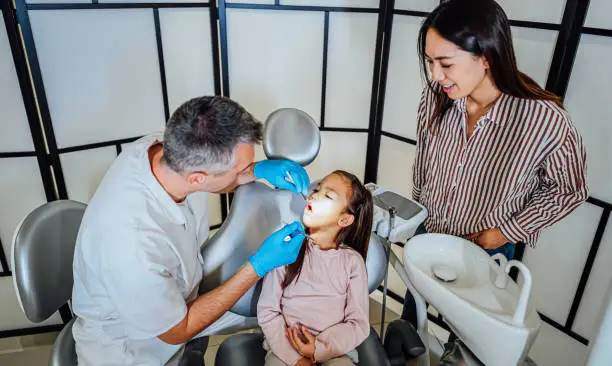
Your child’s mouth changes fast. Baby teeth come in. Jaws grow. Adult teeth start to push through. Each change affects how your child eats, speaks, and feels about smiling. A trusted family dentist guides every step. Regular visits do more than fix cavities. They shape healthy habits, steady growth, and strong confidence. Early care can catch problems before they hurt. It can also lower fear and build trust. That matters when your child faces shots, drills, or braces later. A dentist in Alexandria, VA can watch how your child’s teeth line up. They can check breathing, jaw growth, and daily brushing. Then they can give clear steps you can use at home. You learn what is normal, what is not, and when to act. This blog explains six clear ways family dentistry supports your child’s healthy development from the first tooth through the teen years.
1. Catching Problems Early
Healthy growth starts with early checks. A family dentist can see changes that you cannot see at home. They can spot weak enamel, tight lips or tongue, and crowded teeth before pain starts.
Regular exams help with three things:
- Finding small cavities before they spread
- Noticing jaw or bite problems while bones still grow
- Seeing signs of teeth grinding or mouth breathing
The American Academy of Pediatric Dentistry suggests a first visit by age one or within six months of the first tooth. You can read their guidance on early dental visits.
2. Building Daily Habits That Stick
Good habits start early. A family dentist helps you set simple routines that match your child’s age. They keep the focus on clear actions, not fear or shame.
At each visit, you can expect three key steps:
- Review of brushing and flossing technique
- Specific tips on toothpaste use and snack choices
- Honest talk about bottles, sippy cups, and juice
The table below shows how home care and dental visits work together by age group.
| Age | Home Care Focus | Role of Family Dentist
|
|---|---|---|
| 0 to 2 years | Wipe gums. Brush tiny teeth once a day with a smear of fluoride paste. | Guide parents on teething, bottles, and first tooth care. |
| 3 to 5 years | Brush twice a day. Parent controls paste amount and helps with brushing. | Check for early cavities and review snacks and drinks. |
| 6 to 11 years | Brush twice a day and start daily floss. Parent checks results. | Watch new adult teeth, seal deep grooves, track bite growth. |
| 12 to 17 years | Teens brush and floss on their own. Focus on sugar and sports habits. | Monitor wisdom teeth, braces care, and sports mouthguards. |
3. Guiding Jaw Growth and Bite Alignment
How teeth fit together affects chewing, speech, and even sleep. A family dentist watches jaw growth over many years. They can spot crossbites, open bites, and deep bites early.
With steady checks they can:
- See if thumb sucking or pacifier use affects teeth
- Track how upper and lower jaws grow together
- Refer for braces at the right time, not too soon, not too late
Early guidance can shorten time in braces and lower the need for extractions. It can also help your child chew without strain and speak with clear sounds.
4. Protecting Teeth During Sports and Play
Active kids face hits, falls, and bumps. A custom mouthguard from a family dentist can soften the impact and protect teeth. Store mouthguards from a shop help a little. Custom guards fit better and stay in place during hard play.
Family dentists also teach kids how to care for gear. They show how to keep mouthguards clean and when to replace them. That keeps germs down and comfort up.
The Centers for Disease Control and Prevention share facts on childhood oral health at CDC Children’s Oral Health. You can use those facts to talk with your child about why mouthguards and helmets matter.
5. Easing Fear and Building Trust
Many adults fear the dentist because of rough visits as kids. A caring family dentist works to avoid that pattern. They use simple words. They show tools before using them. They praise effort, not perfection.
Over time this does three things:
- Lowers fear of shots and drills
- Makes future treatment easier to accept
- Teaches your child to speak up about pain or worry
When your child trusts the dentist, you see fewer fights before visits. You also see more steady care in the teen years when many kids stop going.
6. Supporting Whole Body Health
Healthy teeth help your child eat, sleep, and learn. Pain from cavities can distract from school and play. Infections in the mouth can spread and cause fever or swelling.
Family dentistry supports the whole body by:
- Preventing pain that harms sleep and focus
- Helping your child chew foods like fruits, nuts, and meats
- Watching for signs of grinding, clenching, or mouth breathing that may affect rest
Tooth decay is one of the most common chronic problems in kids. It is also preventable. Regular family dental visits, paired with home care and smart food choices, protect your child’s growth in simple, steady steps.
You do not need to know every detail about teeth. You only need a trusted family dentist, clear guidance, and a plan you can keep. That steady support helps your child grow with strength, comfort, and a smile they feel proud to show.
Keithbok says
The CBD store – [url=https://www.tillmanstranquils.com/collections/cbd-gummies ]cheap cbd gummies[/url] offers a multifariousness of formats that suit singular preferences, and each harmonious feels ok executed. The lubricate appears blameless and consistent, the packaging materials discern heavy-duty, and the fashion is lucid yet elegant. The products are easy to stock and treks with, thanks to obvious lids and compressed sizing. Entire, the brand delivers a outstanding and carefully crafted test without unrequired extras.