
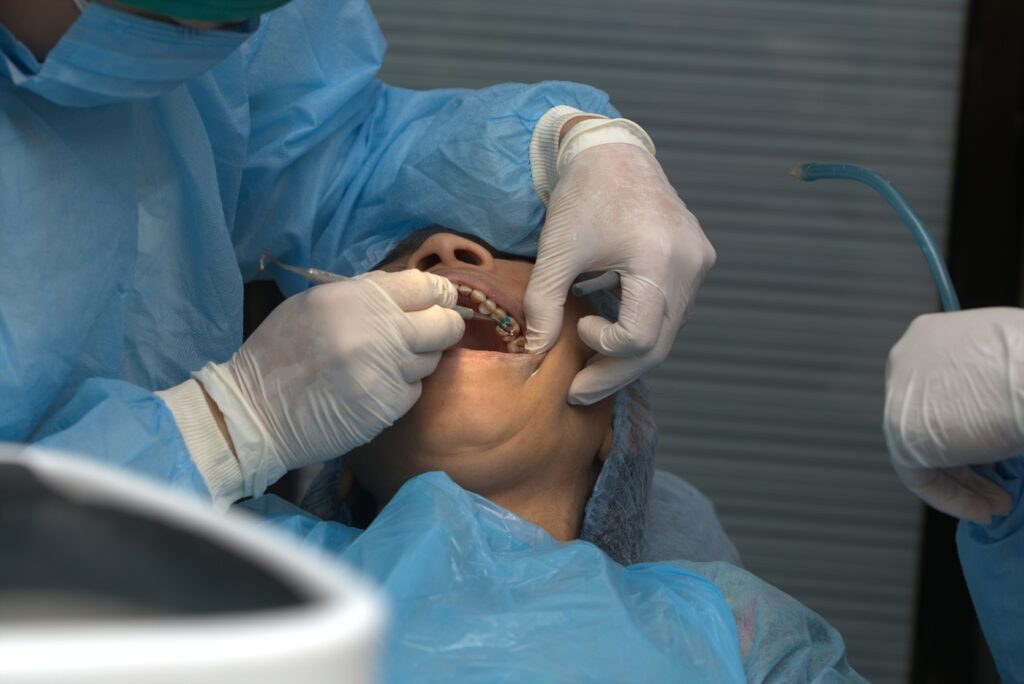
Implant surgery can restore your bite and your confidence, but recovery takes real effort from you. The first days after surgery shape how well your implant heals. You may feel sore, tired, or worried about every new sensation. That reaction is human. You deserve clear steps, not guesswork. This guide gives you six simple tips you can follow at home. You will learn how to protect the surgery site, control swelling, manage pain, and keep your mouth clean without harming the implant. You will also see when to call your dentist so small problems do not grow. If you already had periodontal gum treatment in Bay Shore, NY, these tips will support that work and help your gums stay strong. Your role is simple. Follow each step, listen to your body, and keep your follow up visits. Careful recovery today protects your smile for many years.
1. Protect the surgery site from pressure
The implant site needs steady protection. Extra pressure can strain the bone and soft tissue.
Use these steps right away:
- Chew on the opposite side until your dentist clears you
- Avoid touching the site with your tongue or fingers
- Skip straws, smoking, and vaping which can pull at the wound
Pressure and suction can disturb the blood clot. That clot acts like a natural bandage. Once it moves, you face more pain and slow healing. You also raise the risk of infection.
Ask your dentist how long to keep food and toothbrushes away from the implant site. Then follow that time frame exactly. Careful protection now saves you from repeat surgery later.
2. Control swelling and pain early
Swelling often peaks in the first two to three days. Pain may spike in the first day. Early control keeps both in check.
Common steps include:
- Cold packs on the cheek in short time blocks
- Prescription or over-the-counter pain medicine as directed
- Rest with your head raised on pillows
Do not wait until pain climbs. Take medicine on the schedule your dentist gives you. Sudden sharp pain after it first starts to fade can signal a problem. In that case, call the office right away.
The National Institutes of Health explains that good pain control supports healing and lowers stress on your body.
3. Eat soft, steady meals that support healing
Your body needs fuel to repair bone and gum tissue. You also must protect the implant from strong chewing.
Plan soft meals that need little or no chewing:
- Scrambled eggs, yogurt, and oatmeal
- Mashed potatoes, steamed vegetables, and soft pasta
- Smooth soups that cool to warm, not hot
Avoid hard, sticky, or crunchy food. Seeds, nuts, chips, and tough meat can hit the site and slow healing.
Sample first week food guide after implant surgery
| Meal | Better choice | Avoid
|
|---|---|---|
| Breakfast | Yogurt, oatmeal, scrambled eggs | Toast, granola, bacon |
| Lunch | Soft pasta, mashed beans, soup | Sandwiches with crusty bread |
| Dinner | Mashed potatoes, soft fish, cooked carrots | Steak, raw carrots, chips |
| Snacks | Applesauce, cottage cheese, smoothies | Nuts, popcorn, crackers |
Drink water throughout the day. Hydration supports healing and keeps your mouth clean. Just avoid very hot drinks that can irritate the site.
4. Keep your mouth clean without hurting the implant
You must keep germs low in your mouth. At the same time, you need to protect the fresh wound.
General steps often include:
- Gentle salt water rinses after the first 24 hours if your dentist approves
- Soft brushing of other teeth while you avoid the implant site at first
- Delayed flossing near the site until your dentist says it is safe
The Centers for Disease Control and Prevention shares simple brushing and flossing tips on their oral health page. Those steps still apply. You only adjust the area near the implant based on your dentist’s directions.
Bleeding that slows and then stops is common. Ongoing heavy bleeding or large clots is not. In that case, contact the office right away.
5. Watch for warning signs and act fast
Most implants heal well with steady care. Still, some warning signs need quick action from you.
Call your dentist or surgeon if you notice:
- Fever or chills
- Strong swelling that grows after day three
- Bad taste or pus near the site
- Numbness that does not fade
- Implant feels loose
Quick calls protect your health. Early treatment often means simple steps such as cleaning or medicine. Waiting can mean bone loss and implant failure. Trust your instincts. If something feels wrong, reach out.
6. Keep follow-up visits and protect your long-term health
Healing does not end when the pain fades. The bone must grow around the implant. Your dentist checks your progress at each visit.
Use these habits to protect the work:
- Keep every follow-up visit even if you feel fine
- Tell your dentist about clenching or grinding so you can get a night guard
- Stay tobacco-free since smoking slows blood flow to your gums
Long-term care also includes regular cleanings and checkups. Routine visits allow early care for small gum problems. That support keeps the bone and gums around the implant strong for many years.
You carry a clear role in this process. Protect the site, manage pain and swelling, eat smart, clean with care, watch for warning signs, and keep your visits. Each step gives your body what it needs to hold the implant strong and steady.