• Skip to main content
  • Skip to primary sidebar
  • Skip to footer

Live SV logo

  • Home
  • About
  • Life & Success
  • Travel
  • Business
  • Finance
  • Blog
  • Business
  • Health
  • Technology
  • Contact Me

Health

3 Benefits Of Family Dentistry For Parents With Busy Schedules

April 2, 2026

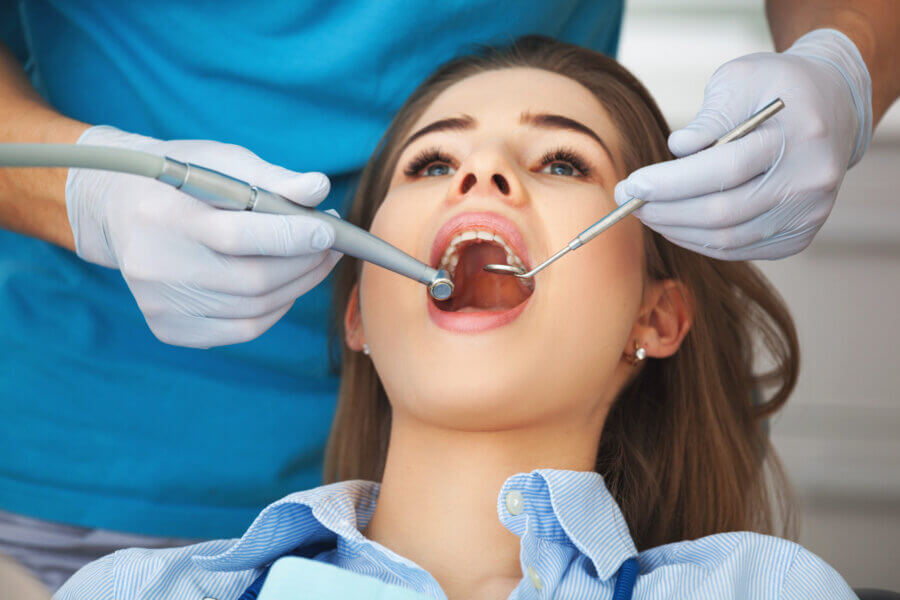
Life moves fast when you juggle work, kids, and a home. Your own health often drops to the bottom of the list. Dental visits feel hard to fit in. Then small problems grow into painful emergencies that steal even more time. Family dentistry gives you a different path. You see one trusted team for every person in your home. You book fewer visits. You spend less time in waiting rooms. You get care that fits your real life. A dentist in North Attleborough can help you protect your family’s teeth while you protect your time. This approach cuts stress, lowers surprise costs, and keeps your child’s smile steady as they grow. It also helps you keep your own mouth healthy, even when you feel drained. The next sections explain three clear benefits of family dentistry for parents who live with constant hurry.

Benefit 1: One Office For Every Stage Of Life

Family dentistry lets every person in your home see the same team. You do not have to split care between a children’s office and an adult office. That cuts confusion. It also builds calm for your child.

When the same team sees your child year after year, they learn your child’s habits and fears. They spot changes early. They notice teeth that come in late. They see grinding. They catch decay at the start. That early action saves you from emergency visits that wreck your day.

Family dentists often provide care for

  • Routine cleanings and checkups
  • Sealants and fluoride for kids
  • Fillings and crowns
  • Simple tooth removal
  • Night guards for grinding

Each visit also gives you a chance to ask hard questions. You can ask about thumb sucking, sports guards, or teen snack habits. You get clear answers from a team that knows your child and your home life.

The Centers for Disease Control and Prevention reports that cavities are one of the most common chronic problems in children. Early and steady visits lower that risk. Family care makes those visits easier to keep.

Benefit 2: Fewer Appointments And Less Time Off Work

Time is your most strained resource. Each extra errand drains you. Family dentistry helps you take back some of that time.

Many family offices offer

  • Back to back visits for siblings
  • Evening or early morning hours
  • School break appointments

You can often book your own visit on the same day as your child. You make one trip. You miss fewer work hours. Your child misses less school. You spend less time in traffic and waiting rooms.

Compare the time demands over one year for a family of four.

Care Type Estimated Visits Per Year Average Hours Missed From Work/School Extra Trips For Emergencies


Family dentistry, grouped visits 4 to 6 8 to 10 0 to 1
Split offices, separate days 8 to 12 16 to 24 2 to 3

These numbers will vary. Yet the pattern is clear. Grouped visits cut missed time. Fewer trips also mean less gas, less planning, and less stress at home.

The National Institute of Dental and Craniofacial Research notes that untreated decay in adults often leads to pain and missed work. When you keep up with your own care along with your child’s care, you lower that risk for your whole home.

Benefit 3: Strong Habits And Lower Long-Term Costs

Family dentistry supports simple routines that protect both health and money. When your child sees you sit in the chair and open your mouth for a cleaning, they learn that care is normal. They see that you value your own health. That quiet lesson shapes their choices for years.

Regular family visits support three key habits.

  • Twice daily brushing with fluoride toothpaste
  • Daily flossing or other cleaning between teeth
  • Limit of sugary snacks and drinks

Your dentist can show you how to brush a toddler’s teeth without a fight. They can help your teen see the link between energy drinks and tooth decay. They can work with you to build a simple plan that fits your home, not someone else’s idea of a perfect routine.

There is also a clear money link. Small steps now often prevent high costs later. A short cleaning and quick filling costs less than a root canal or tooth removal. They also hurt less. They take less time from your day.

For busy parents, that means three gains.

  • Fewer surprise bills
  • Lower risk of missed work from pain
  • More steady routines for children

How To Choose A Family Dentist When Your Time Is Tight

You need a team that respects your schedule and your stress. You also need clear facts, not pressure. Start with three simple checks.

  • Ask if the office books family blocks so you can bring several children at once
  • Check if they offer early, late, or weekend times that match your work hours
  • Confirm that they see both children and adults and can follow your child into the teen years

Then look at communication. You should feel heard when you talk about fear, money, or time. The staff should explain options in plain words. They should welcome your questions about treatment, timing, and cost.

Taking The Next Step

Your days may never feel calm. Yet your family’s dental care does not have to add more chaos. With one trusted family office, you can cut trips, lower stress, and protect every smile in your home at the same time.

You do not need a perfect schedule. You only need the next appointment. Call a family dentist, ask for group visits, and start with a simple checkup. That one choice can guard your time, your budget, and your child’s health with one steady move.

 

Filed Under: Health

Why Early Screenings For Orthodontic Issues Make A Difference

April 1, 2026

Early screenings for orthodontic issues protect your child from pain, stress, and costly treatment later in life. When you catch crowding, bite problems, or jaw growth issues early, you give your child more options and more control. You also reduce the chance of tooth damage and gum problems. Many parents wait until all the adult teeth come in. That delay often leads to longer treatment and higher bills. Instead, you can act when the first signs appear. You can ask questions. You can plan. A Rockingham, NC family dentist can spot early warning signs during regular checkups and guide you to the right care. This early step supports clear speech, easier brushing, and a steady smile. It also supports your child’s confidence at school and at home. You do not need to guess. You only need to start early.

When To Schedule The First Orthodontic Screening

The American Association of Orthodontists advises a first check by age 7. At this age, children have a mix of baby teeth and adult teeth. That mix gives a clear view of how the mouth grows.

During this visit, the dentist or orthodontist checks three things.

  • How the upper and lower teeth fit together when your child bites
  • How the jaws grow and line up
  • How much space exists for the adult teeth still coming in

You do not need a referral to ask for this visit. You can bring up your concerns at a regular checkup. You can also review guidance from the American Dental Association to prepare questions and understand common bite problems.

Common Early Warning Signs You Can Spot At Home

You see your child every day. You can notice small changes before they turn into bigger problems. Watch for three main groups of signs.

  • Crowding or spacing. Teeth that twist, overlap, or leave wide gaps.
  • Bite issues. Front teeth that stick out, do not touch, or meet in a way that looks off center.
  • Jaw habits. Mouth breathing, thumb sucking after age 4, or jaw clicking when chewing.

Also listen to your child. A child who avoids smiling in photos, covers the mouth when speaking, or struggles with certain words may need help. These signals are not a cause for panic. They are a clear reason to schedule a screening.

Why Timing Matters For Growing Jaws

Your child’s jaws grow and change through childhood and early teen years. Early screenings use this growth to your advantage. When you start at the right time, the dentist can guide jaw growth instead of only moving teeth.

This approach can help you.

  • Reduce the need for tooth removal later
  • Shorten any future time in braces
  • Lower the risk of injury to front teeth that stick out

The Centers for Disease Control and Prevention reports that poor oral health affects eating, sleep, and school performance. A stable bite and even teeth make brushing more thorough. That means fewer cavities and less gum disease over time.

Early Screening Versus Waiting: How They Compare

Factor Early Screening (By Age 7) Waiting Until Teen Years


Length of treatment Often shorter treatment Often longer treatment
Type of treatment Guides jaw growth and tooth position Mainly moves fully grown teeth
Need for tooth removal Lower chance of extractions Higher chance of extractions
Cost over childhood Cost spread out and more controlled Cost often higher in a short time
Impact on speech and chewing Problems can be eased during key growth years Problems may last through childhood
Emotional strain Less fear and more steady confidence More self-conscious teen years

How Early Screenings Protect Your Child’s Health

Orthodontic issues reach beyond looks. A poor bite can cause tooth wear, jaw pain, and trouble chewing. Crooked teeth trap food and plaque. That buildup leads to cavities and gum infection.

Early screenings help you.

  • Catch small cavities in crowded spots before they spread
  • Protect back teeth that carry most chewing force
  • Support clear speech and easy breathing through the nose

You also gain time to build strong habits. When your child learns to clean around brackets or appliances at a young age, those habits stick. You set a pattern of care instead of crisis visits.

What To Expect During An Early Orthodontic Visit

Knowing what happens in the chair can ease your child’s fear. An early orthodontic screening is simple. It is also gentle.

You can expect three steps.

  • Conversation. You share your child’s habits, medical history, and your concerns.
  • Exam. The dentist looks at teeth, gums, jaw joints, and how your child bites.
  • Pictures. X-rays or photos show tooth roots, jaw growth, and space for future teeth.

After this review, you will receive a clear plan. The plan may say to start treatment soon, watch growth over time, or return at a set age. Every plan should explain what to do now, what to watch for, and when to come back.

How To Support Your Child Before And During Treatment

Your support shapes how your child handles any treatment. Children take cues from your words and your face. You can create a sense of safety.

Use three simple steps.

  • Use plain words. Say that the dentist will ā€œcount and check teethā€ instead of using technical terms.
  • Stay honest. Do not promise that nothing will feel strange. Explain that the team will help your child stay as relaxed as possible.
  • Build routine. Keep regular checkups, brushing, and flossing at the same time each day.

When you treat orthodontic visits like regular health care, your child learns that care is normal. This calm pattern lowers fear and builds trust in care.

Taking The Next Step

You do not need to wait for clear pain or visible damage. If your child is close to age 7, now is the right time to ask for an orthodontic screening. If your child is older and has never had one, it is still worth scheduling.

Start by talking with your regular dentist. Ask three direct questions.

  • Do you see any signs of crowding or bite problems right now
  • When should my child see an orthodontist for a full review
  • How often should we monitor growth from this point

Early screenings give you time. Time to plan. Time to protect your child from pain and fear. Time to build a steady, strong smile that supports health, speech, and confidence through every stage of childhood.


Filed Under: Health

3 Benefits Of Choosing One Dentist For Both Health And Beauty

April 1, 2026

Your mouth tells a hard truth about your health and your appearance. You might see stains, chips, or crowded teeth in the mirror. You may also feel bleeding gums, loose teeth, or jaw pain. These problems are not separate. They feed off each other. One trusted dentist can protect your body and your smile at the same time. A dentist in Boynton Beach who knows your full story can spot small changes early. That same dentist can plan care that keeps your teeth strong and your smile even. You save time. You avoid mixed messages. You build real trust. This blog explains three clear benefits of choosing one dentist for both health and beauty. You will see how a single point of care can protect your heart, your confidence, and your wallet. You deserve treatment that treats your whole mouth as one connected system.

1. One dentist protects your whole body

Healthy gums and teeth lower your risk for pain, infection, and tooth loss. They also link to heart disease, diabetes, and pregnancy problems. Your mouth is a warning system for the rest of your body. One dentist who knows your history can connect these warning signs fast.

The Centers for Disease Control and Prevention explains that gum disease is linked to heart and blood vessel disease. When you see one dentist for cleanings, fillings, and cosmetic care, that person can track changes in your gums, bone, and bite over time.

With a single dentist, you get three health gains.

  • Early warning. Your dentist can spot small shifts in gum color, swelling, or tooth movement.
  • Clear medical links. Your dentist can share patterns with your doctor, such as dry mouth from medicines or blood sugar problems.
  • Safer choices. Your dentist can guide you away from beauty-only treatments that might harm weak teeth or gums.

This joint view lowers the chance of sudden tooth loss, infections, and costly urgent visits. It turns your regular visits into strong protection for your whole body.

2. One dentist gives you a clear long-term plan

When you move between many offices, each provider sees only one piece of your story. One may focus on whitening. Another may focus on gum surgery. You end up with a patchwork of work that does not always match. You may feel confused about what to do next or whom to trust.

With one dentist for health and beauty, you get a single, honest plan. That plan respects three core needs.

  • Function. You must chew, speak, and sleep without pain.
  • Health. You must control decay and gum disease.
  • Appearance. You want a smile that fits your face and age.

Your dentist can rank your needs in a step-by-step order. First stop pain and infection. Next, rebuild weak teeth. Then shape and brighten your smile. The National Institute of Dental and Craniofacial Research notes that most tooth loss starts with preventable decay and gum disease.

Here is a simple comparison between using one dentist and using many.

Care choice Health impact Appearance impact Cost over 5 years


One dentist for health and beauty Linked records and early warning Smile plan that matches bite and gum health Lower risk of repeat work and urgent visits
Different dentists for each service Gaps in records and missed links Cosmetic work that may ignore hidden decay Higher chance of repairs and extra visits

This table shows a simple truth. When one dentist owns the full plan, you face fewer shocks and less regret.

3. One dentist saves time, money, and emotional strain

Every new office means new forms, new X-rays, and new fees. It also means new stress. You must retell your story, your fears, and your goals over and over. That can feel draining. Many people start to skip visits because they feel worn down.

When you choose one dentist for both health and beauty, you gain three clear savings.

  • Time savings. Fewer visits, shorter intake steps, and less repeat testing.
  • Money savings. Less chance of work that must be redone by someone else.
  • Emotional relief. Strong trust that lowers fear and shame about your teeth.

Your dentist learns what makes you tense in the chair. That person can adjust how often you need breaks, how much they explain, and what tools they use. You feel seen as a whole person, not just a mouth. That calm sense of safety can stay with you for years.

How to choose one dentist for health and beauty

You can use three simple steps to find the right match.

  • Check training. Ask if the dentist has strong experience in both gum care and cosmetic work.
  • Review approach. Ask how they build long-term plans that protect health first, then shape appearance.
  • Ask about teamwork. Ask how they share records with your doctor and how they handle urgent problems.

You can also look for an office that teaches you how to care for your mouth at home. Ask for clear guidance on brushing, flossing, and fluoride use. The CDC offers simple tips on adult oral health that you can use between visits.

Bring your health and beauty together

Your teeth are not just a smile for photos. They are tools for eating, speaking, and staying strong. When you choose one dentist for both health and beauty, you protect those tools and your self-respect at the same time.

You gain early warning of disease. You gain a clear, honest plan. You gain freedom from repeat forms, surprise bills, and cold, rushed visits. Most of all, you gain the quiet relief that comes from steady care and a smile that feels like you.


Filed Under: Health

How Family Dentists Create Positive Experiences For Kids And Teens

March 31, 2026

Your child deserves care that feels safe, steady, and human. A family dentist understands that. Every visit shapes how your child feels about care as an adult. A rushed or cold visit can plant fear. A calm and clear visit can build trust. You see this each time your child grips your hand in the waiting room. A dentist West Caldwell, NJ focuses on simple steps that lower fear and grow trust. Short wait times. Clear words. Gentle pacing. Each part matters. Children and teens need to feel seen and heard. They also need clear limits and honest answers. A family dentist uses routine visits to teach strong habits, prevent pain, and protect smiles during growth. You gain a partner who respects your time and your child’s emotions. Your child gains a place that feels steady instead of scary.

Why Early Dental Visits Shape Lifelong Habits

Children start to form strong beliefs after only a few visits. If early care feels harsh, they start to avoid care as they grow. If it feels steady and clear, they learn to show up and speak up.

  • Tooth decay is common in children.
  • Regular care lowers pain and missed school.
  • Positive visits support steady brushing and flossing at home.

You help your child most when you start early, stay steady, and choose a dentist who cares about feelings as much as teeth.

How Family Dentists Reduce Fear And Stress

Fear often comes from the unknown. A family dentist cuts through that fear with clear steps that respect your child’s pace.

Most family dentists use three simple tools.

  • Tell. They explain what will happen in short, plain words.
  • Show. They let your child see or touch safe tools first.
  • Do. They complete the step after your child understands.

This method gives your child control. It turns strange sounds and tools into known things. That lowers stress and helps your child stay calm in the chair.

Creating A Child Friendly Space

The office itself shapes how your child feels before anyone speaks. A family dentist pays close attention to three parts of the visit.

  • Waiting room. Simple toys, books, or quiet shows can pull your child’s focus away from fear.
  • Sounds and smells. Soft music and clean air reduce tension.
  • Staff approach. Warm greetings and eye contact show respect.

These small touches tell your child that this place is safe and predictable. That sense of safety matters more than any poster on the wall.

Communication That Respects Kids And Teens

Children and teens listen closely. They also notice tone. A family dentist speaks in ways that match age and stage.

  • With young children, the dentist uses simple words and short steps.
  • With older children, the dentist gives clear reasons for each step.
  • With teens, the dentist speaks directly and treats them as partners.

The dentist avoids blame. Instead, they name the problem and then focus on the next right step. That calm approach keeps shame out of the room and leaves space for change.

Teaming Up With Parents And Caregivers

You play a strong role in each visit. A family dentist knows this and brings you into the process.

Most visits include three moments that call for teamwork.

  • Before the exam. You share worries, past fears, or special needs.
  • During the exam. You stay close if your child needs your presence.
  • After the exam. You and the dentist agree on home routines and next steps.

This shared plan helps your child hear one steady message at home and in the chair. That sense of unity builds trust.

Teaching Strong Habits With Simple Steps

A good visit does more than clean teeth. It teaches skills your child can use each day. The American Dental Association gives clear guidance that many family dentists follow.

  • Brush twice a day with fluoride toothpaste.
  • Floss once a day when teeth touch.
  • Limit sugary drinks and snacks.

Family dentists turn those rules into short lessons. They may show your child how to angle the brush. They may use a small mirror so your child can watch. They may set simple goals for the next visit. This turns abstract rules into daily habits.

Comparing Common Visit Types For Kids And Teens

Different visits feel different to a child. The table below shows how family dentists often shape each type to support a positive experience.

Type of Visit Main Purpose What Your Child Experiences How The Dentist Builds Trust


First Visit Meet the team and check basic health Short exam, gentle cleaning, simple questions Slow pace, clear words, praise for brave moments
Routine Checkup Prevent problems and track growth Cleaning, exam, possible X-rays Explains each step, reviews home habits, sets small goals
Treatment Visit Fix a cavity or other issue Numbing, repair work, longer time in chair Talks through fears, uses breaks, checks comfort often
Orthodontic Consult Check bite and tooth alignment Photos, X-rays, exam of jaw and bite Shows images, explains choices, includes teens in decisions

Supporting Kids With High Anxiety Or Special Needs

Some children carry deep fear or have sensory needs. A family dentist plans ahead to honor those needs.

Common supports include three simple tools.

  • Short visits or split visits that prevent overload.
  • Visual schedules that show each step with pictures.
  • Comfort items from home, such as a toy or blanket.

You can call before the visit to share what helps your child feel safe. The dentist can then adjust lights, sounds, or timing to match those needs.

How Teens Gain Confidence Through Dental Visits

Teens often face strong pressure about looks and image. Teeth touch many parts of that pressure. Stains, crowding, or bad breath can feed shame and silence.

A family dentist can help your teen.

  • They give direct facts about care without scare tactics.
  • They explain how tobacco, vaping, and sugar affect teeth.
  • They support choices that protect both health and self-respect.

When a teen feels treated as an equal, they are more likely to ask hard questions and follow through on care.

Taking The Next Step For Your Child

You cannot change past visits. You can shape the next one. You can ask direct questions about how the office supports children and teens. You can watch how the staff speak to your child. You can notice how your child acts after each visit.

When you choose a family dentist who values trust, clear words, and steady care, you give your child more than clean teeth. You give them a calm mind, a sense of control, and a pattern of care that can last through adulthood.


Filed Under: Health

Why General Dentistry Is Key To Maintaining Healthy Gums

March 30, 2026

Healthy gums protect your teeth, your smile, and your comfort. They also protect your heart and your blood vessels. Gum disease often grows in silence. You may not feel pain until the damage is serious. General dentistry stops that quiet damage before it spreads. Regular checkups, cleanings, and simple tests catch small problems early. Then treatment is easier, faster, and less costly. Your dentist looks for swelling, bleeding, and hidden infection. Your dentist also checks how you brush, floss, and eat. Every visit shapes a plan that fits your mouth and your habits. Many people search for help only when gums bleed or teeth feel loose. That is often too late to save bone and tissue. Routine care gives you control. Scarsdale dental care shows how steady general dentistry protects gum health year after year. You deserve that level of protection.

How General Dentistry Protects Your Gums

General dentistry focuses on simple habits that keep your gums strong. You get three things at every visit. You get a close check of your mouth. You get a deep cleaning. You get clear steps for home care.

During an exam, your dentist checks your gums for redness, bleeding, and pockets around the teeth. These pockets trap germs and food. They slowly break down bone and tissue. A basic gum exam takes only a few minutes. Yet it can spot disease before it feels serious.

Cleanings remove sticky film and hard deposits that brushing leaves behind. That buildup collects along the gumline. It feeds germs that cause infection. Once a trained hand removes it, your gums can heal. Then your daily brushing and flossing start to work again.

Why Early Gum Care Matters For Your Whole Body

You not only protect your mouth when you care for your gums. You protect your whole body. Research from the National Institute of Dental and Craniofacial Research links gum disease with heart disease, stroke, and trouble controlling blood sugar.

Swollen gums let germs enter the bloodstream. Your immune system reacts again and again. That steady strain can harm blood vessels and organs. You may feel tired. You may notice slow healing. You may face a higher risk of heart trouble.

Early care breaks that cycle. Clean gums reduce swelling in your body. That support matters if you have diabetes, high blood pressure, or a history of heart disease. Your mouth becomes a place of strength, not a hidden source of stress.

Common Gum Problems General Dentists Treat

Most gum problems start small. A general dentist can treat many of them before you need a specialist. Here are three common issues.

  • Gingivitis. Gums look red and bleed when you brush. This stage is early and can heal with better care and regular cleanings.
  • Early periodontitis. Gums pull away from teeth. Pockets form. You may notice bad breath or a bad taste. Treatment often includes deeper cleanings and closer follow-up.
  • Advanced periodontitis. Bone loss starts. Teeth may loosen. At this point, you may need more complex treatment. Yet general dentistry still guides your long term care.

Gum Health long-termd General Dentistry Care

Stage Common Signs Role Of General Dentistry
Healthy gums Pale, firm, no bleeding Regular exams, cleanings, fluoride, home care coaching
Gingivitis Red gums, bleeding when brushing Professional cleaning, review of brushing and flossing, short-term follow-up
Early periodontitis Pockets, bad breath, mild gum loss Deep cleaning, closer monitoring, possible referral if pockets stay deep
Advanced disease Loose teeth, pain when chewing, bone loss Ongoing support, X-rays, coordination with gum specialist, focus on saving remaining teeth

What To Expect During A Gum Focused Visit

Knowing what will happen in the chair makes it easier to stay on track. A general dentistry visit for gum health often follows this pattern.

  • Medical and dental history. You share any changes in health, medicine, or habits. Conditions like pregnancy, diabetes, and smoking increase gum risk.
  • Gum check. The dentist or hygienist uses a small tool to measure pockets. Numbers show how deep the tissue is around each tooth.
  • X rays. Pictures reveal hidden bone loss and infection that the eye cannot see.
  • Cleaning. The hygienist removes plaque and tartar above and below the gumline. Then the teeth are polished.
  • Home plan. You get clear, simple steps for brushing, flossing, and diet. You may also get advice on quitting tobacco.

Each step gives you new control over your gum health. You leave with clear numbers, clear advice, and a clear next visit.

Home Habits That Support Your Dentist

General dentistry works best when you back it up at home. Three habits protect your gums between visits.

  • Brush twice a day with fluoride toothpaste. Aim the bristles at the gumline. Move gently in small circles.
  • Clean between teeth every day. Use floss, a small brush, or a water flosser if your dentist suggests it.
  • Limit sugary drinks and snacks. Sip water throughout the day. Choose whole foods that need chewing.

The Centers for Disease Control and Prevention reports that nearly half of adults have some form of gum disease. Your daily routine can keep you out of that group. Or it can help you heal if you are already in it.

When To Call Your General Dentist Right Away

Do not wait for pain. Reach out if you notice any of these signs.

  • Gums that bleed often when you brush or floss
  • Gums that look puffy or darker in color
  • Teeth that seem longer because gums pulled back
  • Bad breath that does not clear with brushing
  • Changes in how your teeth fit when you bite

Quick action can prevent tooth loss. It can also protect your heart and help control your blood sugar. Each call is a step toward strength, not a sign of failure.

General Dentistry As Your Long-Term Gum Partner

Gum health is not a one-time project. It is a steady rhythm of care. Regular general dentistry visits fit into that rhythm. They catch problems early. They guide you through changes in age, health, and family stress.

You do not need perfect habits to start. You only need a first appointment and a clear plan. With each visit, you and your dentist adjust that plan. Together you guard your gums, your teeth, and your general health for the long term.


Filed Under: Health

6 Benefits Of Blending Family, General, And Cosmetic Dental Care

March 30, 2026

You want a healthy mouth, a steady routine, and a smile you trust. You also want care that fits your real life. When you blend family, general, and cosmetic dental care, you get one trusted team that understands your history, your needs, and your goals. You save time. You avoid mixed messages. You get a clear plan. A cosmetic dentist Honolulu can correct chips, stains, and gaps. A general dentist can treat decay and gum disease. A family dentist can guide your children and support aging parents. Together, they protect your teeth, your jaw, and your confidence. This combined approach catches small problems early. It turns treatment into prevention. It also keeps your smile natural, strong, and steady through every stage of life. The result is less stress, fewer surprises, and care that feels human.

1. One home for your whole family

When you blend these services, every person in your home can see the same team. That brings order to a part of life that often feels messy.

  • Children, adults, and older adults share one office
  • Records stay in one place for years
  • Care plans line up across generations

The Centers for Disease Control and Prevention links regular care with fewer cavities and less tooth loss. A single home for care makes those visits easier to keep. It also lets your dentist see family patterns, such as weak enamel or early gum trouble, and act before small issues spread.

2. Fewer appointments and less missed work

Blended care cuts down on travel, forms, and repeat exams. That protects your time and your income.

Separate offices vs blended care in one office

Care setup Average visits per year for a family of four Number of offices Repeat health forms


Separate family, general, and cosmetic offices 12 to 16 visits 2 to 3 offices 3 sets of forms
Blended family, general, and cosmetic care 8 to 10 visits 1 office 1 set of forms

This kind of setup also lets you group visits. You can book cleanings for children, parents, and grandparents on the same day. You then keep more control over school time, work time, and care time.

3. Faster response when something hurts

Tooth pain, broken teeth, or sudden swelling can happen without warning. A blended team knows your history and can act fast.

  • General care handles infection and urgent pain
  • Family care keeps children calm and steady
  • Cosmetic care repairs chips or breaks in the same plan

You do not need to search for a new office while you are hurt. You also avoid gaps in care when one office treats the pain and another office later treats the look of the tooth. One team can move from relief to repair to long-term strength in a clear order.

4. Strong link between health and appearance

Many people feel shame about stained or crooked teeth. That shame can stop them from seeking care until problems grow. When cosmetic care is part of normal visits, that wall starts to fall.

In a blended practice, talk about whitening, bonding, or straightening happens in the same room as talk about brushing and flossing. That sends one clear message. How your teeth feel and how they look both matter. You deserve both.

The National Institute of Dental and Craniofacial Research notes that decay often starts in places that are hard to clean. Cosmetic changes can smooth rough edges or close tight gaps. That can make daily cleaning easier and cut the risk of new decay.

5. Better planning at every life stage

Your needs change as you age. A blended team can plan ahead instead of rushing to fix problems after they appear.

  • For children, the focus is growth, spacing, and healthy habits
  • For adults, the focus is on repair, gum care, and tooth wear
  • For older adults, the focus is dry mouth, bone loss, and tooth loss

Cosmetic choices also change. A teen with white spots needs a different plan than a grandparent who needs replacement teeth. When one office sees these shifts over time, it can map out the next step before you even ask. That brings some peace to a part of life that often feels out of control.

6. Clearer costs and fewer surprises

Dental bills can feel confusing. Separate offices can send different rules, prices, and timelines. Blended care cuts through that noise.

With one team, you can see how cleanings, fillings, and cosmetic work fit together. You can weigh choices like whitening now versus later. You can also plan for bigger work on a schedule that respects your budget.

When your dentist knows your long-term goals, the team can space out care, mix basic and cosmetic work in the same visit, and avoid repeat work. That can reduce the total cost across many years, not just a single visit.

How to choose a blended dental home

Look for an office that clearly lists family, general, and cosmetic services. Ask three direct questions.

  • Can my whole family see the same dentist?
  • Do you treat both health issues and cosmetic concerns
  • How do you build long-term plans, not just single visits

Pay close attention to how staff talk about children, older adults, and people who feel fear. Care that respects those needs will protect both your health and your dignity.

When you blend family, general, and cosmetic dental care, you claim one steady base. You gain fewer trips, fewer stories to repeat, and fewer gaps between health and appearance. You also gain something quiet yet powerful. You gain the right to expect a strong, honest smile at every age.


Filed Under: Health

5 Services Families Can Access Under One Dental Roof

March 30, 2026

Caring for your family’s teeth can feel like a constant scramble. One child needs braces. Another chips a tooth at school. You need a cleaning. Your partner needs a crown. Each visit to a different office eats time, energy, and money. Under one trusted dental roof, you cut that chaos. You gain steady care, one record, and one team that knows your family’s history. An El Cajon dentist who offers several services in one place can guide you through every stage of life. This blog explains five services you can find in a single office so you can stop juggling appointments across town. You will see how one location can handle routine checkups, urgent visits, tooth replacement, child care, and smile repair. You deserve simple choices that protect your family’s health and calm your mind.

1. Routine Checkups and Cleanings

Regular visits keep small problems from turning into painful ones. You also give your children a steady habit that follows them into adult life.

During a routine visit, the team usually:

  • Checks gums and teeth for early decay or infection
  • Cleans away plaque and hardened tartar
  • Reviews brushing and flossing habits

The American Dental Association explains that checkups every six months help lower the risk of cavities and gum disease.

When you keep all family records in one place, the dentist can see patterns. For example, if several family members get cavities in the same spots, the dentist can adjust your fluoride use or sealant plan for everyone.

2. Emergency and Same Day Visits

Life hits without warning. A broken tooth, sudden swelling, or a sharp ache can stop your day. You should not spend those moments calling random offices that do not know your history.

Many family practices keep time open for urgent visits. They can handle:

  • Knocked out or broken teeth
  • Severe tooth pain
  • Swelling in the face or gums
  • Lost fillings or crowns

Quick care often saves teeth. The Centers for Disease Control and Prevention notes that untreated dental problems can affect eating, speaking, and learning in children.

When your family uses one office, the team already has your X-rays, medicine list, and health history. That shortens the time between pain and care and lowers the chance of a mistake.

3. Tooth Replacement and Dental Implants

Missing teeth affects more than a smile. They change how you chew and speak. They also put extra strain on the teeth that remain.

Under one roof, you can often find several tooth replacement options:

  • Single tooth implants
  • Implant supported bridges
  • Partial dentures
  • Full dentures

When one office plans and delivers these treatments, you get one clear path. You avoid repeat x rays and mixed advice from many specialists. Your dentist can match the plan to your budget, health, and family schedule.

This unity also helps long-term care. Cleanings, bite checks, and repairs all happen in the same chair where the work began.

4. Children’s Dental Care

Children need a calm space and clear routines. A single dental home gives them both. They see the same faces every visit. That builds trust and lowers fear.

Children’s care in one office can include:

  • First visits for babies and toddlers
  • Fluoride treatments for cavity prevention
  • Sealants on back teeth
  • Early screening for bite or jaw problems

When your dentist treats both you and your child, your own habits send a strong message. Your child watches you sit in the same chair and stay calm. That simple act can shape their view of health care for life.

5. Orthodontics and Cosmetic Repair

Healthy smiles also need straight teeth and solid repairs. When your dentist offers orthodontic and cosmetic services, treatment plans become smoother and more honest.

Examples of these services include:

  • Braces for teens and adults
  • Clear aligner systems
  • Tooth colored fillings
  • Bonding to repair chips and cracks
  • Crowns and bridges to rebuild damaged teeth

Instead of sending you across town, the same team can coordinate timing. Cleanings, brace checks, and repair work can happen in fewer visits. That saves you time off work and keeps kids in school.

How One Roof Simplifies Family Dental Care

The table below shows how a single office compares with using many separate offices.

Need One Dental Roof Many Separate Offices


Medical and dental records One shared record for the whole family Scattered records and repeat forms
Time spent on visits Grouped appointments on fewer days Many single visits on many days
Emergency care Team already knows your history New staff must learn your story first
Costs and billing One billing office and clear estimates Different rules and surprise costs
Child comfort Same staff and rooms every visit New places that can raise fear
Long term planning One team tracks changes over years Hard to see patterns across offices

Taking the Next Step for Your Family

Your family deserves care that feels steady and simple. When you choose one dental roof, you gain a partner who walks with you through cleanings, urgent pain, missing teeth, childhood growth, and smile repair.

You can start by:

  • Listing the services your family uses most
  • Asking if one office can provide those services in one place
  • Scheduling checkups for every family member on the same day

With one trusted El Cajon dentist, you can protect health, save time, and give your family a sense of calm every time you sit in the chair.


Filed Under: Health

Why General Dentistry Is The Foundation Of Preventive Dental Care

March 23, 2026

Your mouth needs steady care long before a problem starts. General dentistry gives you that steady care. It is the quiet work that keeps pain, infection, and tooth loss away. Regular checkups, cleanings, and simple treatments protect your teeth and gums. They also protect your heart, lungs, and blood sugar. You may not see the damage that plaque and small cracks cause. A general dentist sees them early and stops them. That is why routine visits matter more than emergency visits. You gain control instead of reacting to sudden pain. In a Burlington, Ontario dental office you learn what your mouth needs, how your habits help or hurt, and which small changes prevent big problems. General dentistry is not extra. It is the base that supports every other type of dental care.

How General Dentistry Protects Your Whole Body

You might think of the dentist only when something hurts. That belief hides a hard truth. Mouth disease is linked to heart disease, lung disease, and diabetes. Germs from infected gums can move into your blood. They can strain your heart and blood vessels. They can affect breathing and blood sugar control.

The Centers for Disease Control and Prevention explains that gum disease is common in adults. It often grows without pain at first. General dentistry targets this quiet damage. Routine cleanings remove hard plaque that brushing and flossing miss. Regular exams check your gums for swelling, bleeding, or bone loss. You reduce risk to your mouth and to your body.

What A General Dentist Actually Does For You

General dentistry covers three main jobs. Each one helps prevent future problems.

  • Checkups and screening
  • Cleaning and gum care
  • Simple repair and protection

During a checkup, your dentist and hygienist look for early signs of decay, cracks, loose fillings, and gum changes. They may use X-rays to see between teeth or under old work. Then they clean away plaque and tartar. They also teach you how to brush and floss with less effort and better results.

When they find a small cavity, they fix it with a filling. When they see wear or grinding, they may suggest a night guard. When they see deep grooves in children’s teeth, they may place sealants. Each step keeps a minor issue from turning into a root canal, extraction, or infection.

Why Prevention Costs Less Than Crisis Care

Skipped visits often feel like short term savings. They are not. Small problems grow. A tiny cavity can reach the nerve. A little bleeding can progress to gum disease and bone loss. You may face long visits, higher bills, and time away from work or school.

The table below shows a simple cost and time comparison for common services. Costs are sample ranges in Canadian dollars. Actual fees vary.

Type of visit Typical service Approximate cost range (CAD) Average chair time Usual reason


Preventive visit Checkup, cleaning, X rays $150 to $300 45 to 60 minutes Routine care
Early repair One small filling $150 to $300 30 to 45 minutes Early cavity
Emergency visit Root canal and crown $1,200 to $2,500 2 to 3 hours total Deep decay, pain, infection
Tooth loss care Single implant and crown $3,000 to $5,000 Several visits Untreated decay or fracture

General dentistry pushes you toward the first row. You spend shorter visits and lower costs. You avoid the stress and fear that come with urgent treatment.

How Often You Need To See A General Dentist

The Canadian and American dental groups suggest a checkup at least once or twice each year. Your needs may differ. If you smoke, have diabetes, or have a history of gum disease, your dentist may want to see you more often.

The National Institute of Dental and Craniofacial Research stresses routine visits as part of basic tooth decay prevention. You also need daily home care. You brush twice a day with fluoride toothpaste. You clean between your teeth once a day. You limit sugary drinks and snacks. General dentistry supports these habits. Each visit checks how well your routine works and adjusts it.

General Dentistry For Children, Adults, And Seniors

Every age group gains something different from general care.

  • Children. Early visits build trust and reduce fear. Sealants and fluoride strengthen new teeth. Parents learn how to guide brushing and food choices.
  • Adults. Regular cleanings control plaque and staining. Fillings and crowns keep teeth strong for chewing and speech. Mouth guards protect teeth during sports or grinding.
  • Seniors. Exams check for dry mouth, root decay, denture fit, and oral cancer. Care plans adjust to medicines, joint limits, or memory changes.

One office can follow your mouth through each life stage. That history helps your dentist see patterns and catch change fast.

What To Expect At A Routine General Dentistry Visit

Knowing what will happen can ease worry. A standard visit often includes three steps.

  1. Review. You update your health history and medicines. You share any pain, sensitivity, or changes you notice.
  2. Cleaning. The hygienist removes tartar, then plaque, then polishes your teeth. They may show you easier brushing and flossing methods.
  3. Exam. The dentist checks teeth, gums, tongue, cheeks, and jaw. They study any X-rays and talk with you about the next steps.

You leave with clear advice. You know what is healthy, what needs watching, and what needs treatment.

Taking The Next Step Toward Steady Oral Health

General dentistry gives you steady control. You prevent pain instead of chasing it. You protect your heart and lungs when you protect your gums. You lower your costs when you treat small problems early. You also set a strong example for children who watch how you handle health.

If it has been more than a year since your last visit, call a trusted general dentist. Ask about checkups for your whole family. Use each visit to ask hard questions, share fears, and learn simple steps you can use at home. Your mouth will stay stronger. Your body will thank you.


Filed Under: Health

3 Reasons Preventive Dentistry Protects Cosmetic Dental Investments

March 20, 2026

You spent hard money and time on cosmetic dental work. You want that new smile to last. Preventive dentistry guards those changes so they do not break down early or lose their clean look. Regular checkups, cleanings, and simple home care keep small problems from turning into cracks, stains, or painful infections. A family dentist in Plymouth MN watches for early warning signs that you cannot see in the mirror. Small cavities, grinding, and gum disease can undo years of work. Early care stops that damage. You also learn clear steps that fit your daily life. That means less stress, fewer urgent visits, and lower long term costs. This blog shares three clear reasons preventive dentistry protects your cosmetic dental investments and keeps your smile strong, steady, and worth every dollar you spent.

Reason 1: Preventive care keeps problems small and cheaper

Cosmetic work sits on teeth and gums that still age, wear, and get infected. When you skip preventive care, small issues grow. Then they threaten the work you already paid for.

Routine exams and cleanings let your dentist find changes early. You may feel fine. Yet decay can start under a filling. Gums can pull back from a crown. A tiny chip can spread across a veneer. Early care means a quick fix instead of a full redo.

Here is a simple comparison of care with and without regular prevention for someone with cosmetic work.

Type of care With preventive visits Without preventive visits
New cavity near a veneer Small filling. Veneer stays on. Large decay. Veneer may need full replacement.
Early gum swelling Cleaning and home care changes stop bleeding. Gum disease spreads. Risk of bone loss and loose teeth.
Minor chip on a bonded tooth Quick polish and small repair. Crack deepens. Tooth may need a crown.
Night grinding Guard made. Cosmetic work stays safe. Chips, breaks, and worn edges on veneers and crowns.

You protect more than your teeth. You protect your time. You protect your money. You keep control instead of waiting for pain or an emergency visit.

The science is clear. The Centers for Disease Control and Prevention explains that regular cleanings and early care lower the risk of tooth loss and gum disease across all ages.

Reason 2: Healthy gums and enamel support every cosmetic treatment

Cosmetic work only lasts when gums and enamel stay firm. Crowns, veneers, bonding, and whitening all depend on strong support. Weak support means a short life and repeated work.

Preventive dentistry focuses on three core goals.

  • Keep gums firm and free of infection.
  • Keep enamel strong and clean.
  • Keep bite forces even and under control.

Gums frame your smile. When gums swell or bleed, teeth can look longer, uneven, or stained. That changes the look of your cosmetic work even if the work itself is still sound.

Enamel sits under many cosmetic treatments. When acid, plaque, and grinding wear it down, crowns and veneers lose support. Then they can loosen or crack. Simple steps help.

  • Brush twice a day with fluoride toothpaste.
  • Clean between teeth once a day.
  • Limit sugar and constant snacking.
  • Drink water instead of sweet drinks.

The National Institute of Dental and Craniofacial Research explains how plaque, sugar, and acid cause decay and gum disease. Their patient guide shows how daily care and fluoride protect enamel and gums.

Healthy support also reduces stress on cosmetic work. When your bite is even, pressure spreads across teeth. When one side hits harder, that tooth and any crown or veneer on it take more force. Your dentist checks your bite at routine visits and makes small changes before damage grows.

Reason 3: Preventive visits extend the life of cosmetic work

Cosmetic treatments have an expected life span. That span changes with care. Strong prevention can add years. Poor care can cut that time in half.

Here is a simple look at common cosmetic treatments and how prevention can change outcomes. These time ranges are general and can vary for each person.

Cosmetic treatment Typical life with strong prevention Typical life with poor prevention Main risk without prevention
Teeth whitening Color stays bright for 1 to 3 years. Stains return within months. Dark drinks, smoke, and plaque stains.
Bonding Lasts 5 to 10 years. Chips or stains within a few years. Grinding, biting hard items, and decay at edges.
Veneers Last 10 to 15 years or more. Cracks or looseness in under 10 years. Gum recession, decay under edges, and strong bite forces.
Crowns Last 10 to 15 years or more. Need early replacement. Decay at margins and gum disease.

Preventive visits work like regular service on a car. You catch leaks, worn parts, and strange sounds before the engine fails. With teeth, you catch small chips, color changes, and tiny gaps before they threaten the whole tooth.

During each visit your dentist can

  • Check each crown, veneer, or bonding for chips, cracks, and weak spots.
  • Look for early decay at the edges of cosmetic work.
  • Watch gum levels and signs of infection.
  • Adjust your bite so teeth and restorations share force.
  • Review your home care and update it as life changes.

These steps extend the life of your cosmetic work. That means fewer large bills. It also means less time in the chair and more time using your smile with calm and trust.

How to build a simple preventive plan

You do not need a complex routine. You need a steady one that you can keep. Three steps form a strong base.

  • See your dentist every six months or as advised.
  • Brush and clean between teeth every day.
  • Protect your teeth from grinding and hard bites.

If you have new cosmetic work, schedule your next checkup before you leave the office. Put reminders on your phone. Place a brush and floss where you see them. Talk with your dentist about a night guard if you clench or grind.

Your smile costs real money and effort. Preventive dentistry respects that cost. It guards the work you already did, lowers stress, and keeps your smile steady for years.

Filed Under: Health

How General Dentistry Encourages Better Home Hygiene Habits

March 19, 2026

Healthy habits at home start with what happens in the chair. Regular visits to a general dentist do more than fix problems. They change how you see your mouth every day. Each checkup gives you clear feedback. You see where plaque hides. You hear which spots you miss. You learn simple steps you can use that same night at your sink. A dental clinic in Leduc can guide you with plain language, quick demos, and honest talk about what matters most. Then your routine at home becomes focused. You brush with a goal. You floss with a reason. You watch for early signs instead of waiting for pain. Over time, these small changes turn into firm habits. You spend less time in the chair. You feel more in control of your health. You protect your smile, one daily choice at a time.

Why regular checkups change what you do at home

General dentistry gives you three core supports. You get early spotting of problems. You get cleaning that resets your mouth. You get coaching that shapes your habits.

During a checkup, the dentist and hygienist look for decay, gum swelling, and worn spots. They use light, mirrors, and simple tools. They show you what they see. That picture can feel sharp. It often leads to real change at home.

Then they clean your teeth. They remove hardened plaque that brushing and flossing cannot reach. This reset makes your mouth feel fresh. It also makes it easier to keep your teeth clean with daily care.

Finally, they talk with you. They ask what hurts, what bleeds, and what feels hard in your routine. They give you clear steps that fit your life, not a perfect script.

How dentists turn advice into daily action

Good advice is simple, specific, and repeatable. General dentists break tasks into three moves you can manage.

  • They show you how to brush and floss with your own tools.
  • They set clear goals, like two minutes of brushing two times a day.
  • They help you plan when and where you will clean your teeth.

For example, if you rush at night, your dentist might suggest brushing right after dinner. If your child forgets, the dentist might ask you to brush together as a family. That shared routine builds memory and trust.

You also get honest feedback at the next visit. You hear what improved and what did not. That feedback loop turns random effort into a steady pattern.

Education that makes you care more

When you understand what plaque does, you care more about cleaning it. General dentists use clear words and simple pictures. They explain how germs in plaque use sugar. They show how this leads to holes in teeth and sore gums.

They often use mirrors or photos of your own mouth. That personal view can be powerful. It is no longer a story about someone else. It is your tooth, your gum, your risk.

Trusted public health sources support this link between knowledge and habits. For example, the Centers for Disease Control and Prevention’s oral health fast facts explain how brushing with fluoride toothpaste cuts decay. The National Institute of Dental and Craniofacial Research prevention guide gives clear steps for home care. Your dentist can walk through this kind of guidance with you and adjust it to your home.

Simple routines that families can keep

General dentistry supports three home habits that protect every age group. You brush, you clean between your teeth, and you watch what you eat and drink.

  • Brushing. Use fluoride toothpaste two times a day. Aim for two minutes each time.
  • Cleaning between teeth. Use floss or small brushes one time a day.
  • Food and drink choices. Limit sugary snacks and drinks. Drink water often.

For families, dentists often suggest routines that match daily life.

  • Morning: brush after breakfast.
  • After school: quick water rinse instead of a sweet drink.
  • Night: brush and floss together before screens go off.

Children watch adults. When you follow the same steps your dentist sets for your child, the message feels real. You show that these habits matter for every age, not just for kids.

How dental visits and home care work together

Home care and dental visits support each other. One without the other leaves gaps. Regular cleanings help you remove buildup. Strong home habits slow that buildup between visits.

General dentistry visits and home care: how they compare

Aspect General Dentistry Visit Home Hygiene Habits
Who does the work Dentist and hygienist You and your family
How often Commonly every 6 to 12 months Two to three times each day
Main goal Check, clean, and guide Prevent buildup and damage
Tools used Professional instruments and fluoride treatments Toothbrush, floss, fluoride toothpaste, water
Benefits Finds problems early and sets a plan Lowers risk of decay and gum disease each day
Feedback Personal review and updated advice Daily cues like bleeding, bad breath, or a clean feel

Turning fear or shame into steady progress

Many people feel fear, shame, or regret at the dentist. General dentists understand this. They see missed visits and hard stories every day. A good dentist does not judge you. Instead, they focus on what you can change next.

They might start with one small goal. For example, floss only the front teeth for one week. Once that feels normal, you add more teeth. This stepwise method builds confidence. You feel progress instead of failure.

They also teach you how to notice early warning signs at home. You learn that bleeding gums mean you need better cleaning, not that you should avoid floss. You learn that sudden sensitivity means you should call, not wait.

How to make your next visit shape your habits

You can use your next general dentistry visit to reset your home routine. You can do three things.

  • Ask for a clear, written home care plan with simple steps.
  • Bring your toothbrush or floss and ask the dentist to watch your technique.
  • Set your next visit before you leave, so your plan has a clear checkpoint.

Each visit becomes a pause where you review, adjust, and recommit. With time, these cycles turn scattered effort into strong habits. Then your mouth feels cleaner. Your breath smells fresher. Your risk of painful problems drops.

You deserve that steady comfort. Use general dentistry as your guide, and let each checkup shape what you do at home, every single day.

Filed Under: Health

  • « Go to Previous Page
  • Page 1
  • Interim pages omitted …
  • Page 6
  • Page 7
  • Page 8
  • Page 9
  • Page 10
  • Interim pages omitted …
  • Page 16
  • Go to Next Page »

Primary Sidebar

About Us

Hi friends, I’m Lennox and I’ve been blogging for a few years on different websites. I love to read and write, explore life, travel, build and design and much more.In my early 20’s I took off and travelled abroad. I have seen much of Australia, the United Kingdom, several places in Africa, and many places within the United States as well. Read More…

Let’s Connect

  • Facebook
  • Instagram
  • Twitter

Recent Posts

  • 5 Affordable Preventive Dental Services Families Should Prioritize
  • How Implant Dentistry Can Restore Confidence Along With Teeth
  • How Family Dentistry Promotes Consistent Care For Every Stage Of Life
  • Why Preventive Dentistry Is Crucial For Seniors’ Oral Health
  • 5 Preventive Dentistry Tips From General Dentists For Everyday Care
  • 5 Benefits Of Early Periodontal Assessments For Orthodontic Patients
  • How Periodontal Therapy Improves Implant Outcomes
  • Why Preventive Care Is The Foundation Of General Dentistry
  • Why Preventive Dentistry Is Key To Preserving Natural Teeth
  • The Role Of Preventive Dentistry In Supporting Family Wellness
  • How Family Dentistry Promotes Positive Reinforcement For Children
  • 6 Preventive Services General Dentists Provide At Routine Checkups

Newsletter

Footer

About Us

Hi friends, I’m Lennox and I’ve been blogging for a few years on different websites. I love to read and write, explore life, travel, build and design and much more.In my early 20’s I took off and travelled abroad. I have seen much of Australia, the United Kingdom, several places in Africa, and many places within the United States as well. Read More…

Featured

5 Affordable Preventive Dental Services Families Should Prioritize

How Implant Dentistry Can Restore Confidence Along With Teeth

NEWSLETTER

Copyright © 2026 Live SV on the Brunch Pro Theme