
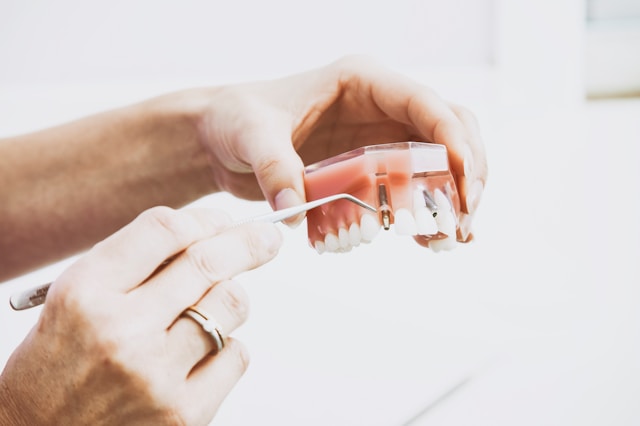
You might be feeling caught between excitement and worry right now. You want dental implants so you can chew comfortably, smile without thinking about it, and stop worrying about your teeth, yet you have been told you also have gum disease or need periodontal treatment first. Albuquerque periodontal and implant specialists understand that it can feel like one more hurdle in a process that already feels long and expensive.end
You may be wondering if all this extra treatment is really necessary, or if someone is just adding steps and cost. You might also be afraid that even after you invest in implants, something could still go wrong and you could lose them too. That is a heavy mix of hope and fear for anyone to carry.
Here is the short version. Healthy gums are the foundation that keeps implants stable over time. Thoughtful periodontal therapy before and after implant placement reduces infection, protects your bone, and greatly improves the chances that your implants last. When your gums are treated and stable, implants stop being a risky bet and start becoming a reliable solution.
What is really going on with your gums and implants?
Gum disease often creeps in quietly. Maybe your gums bleed when you brush, or your breath is hard to control, or your teeth feel a little loose. It is easy to ignore this, especially if you are already focused on missing teeth and the idea of implants. Yet gum disease, or periodontitis, is not just about the gums on the surface. It is an infection that breaks down the bone that holds teeth, and that same bone is what must hold your implants.
The American Dental Association explains that periodontitis is a chronic infection that damages both soft tissue and bone, and that untreated disease can lead to tooth loss and other health problems. You can read more about it in their overview of periodontitis and gum health.
So where does that leave you if you are considering implants while also dealing with gum disease or bone loss?
Why skipping periodontal therapy makes implants much riskier
Imagine building a beautiful house on wet, unstable soil. The walls might look perfect at first, yet over time the foundation shifts, cracks appear, and repairs become constant and costly. Placing implants in a mouth with untreated gum disease is very similar. The metal post may be strong, but the infected tissue and weakened bone around it are not.
Here is the problem. Bacteria that cause periodontitis do not care whether you have a natural tooth or an implant. If they are left untreated, they can cause an infection around the implant called peri implantitis. This leads to bone loss around the implant, gum recession, and sometimes complete implant failure. Studies show that people with a history of periodontitis are more likely to develop problems around implants if the disease is not brought under control first.
Because of this, a thoughtful periodontist and implant dentist will almost always recommend periodontal therapy first. That may include deep cleanings, targeted antibiotics, changes in your home care routine, or sometimes minor surgery to clean out deep pockets. The goal is not perfection. The goal is stability. Reduced bleeding, fewer deep pockets, and a healthier environment where bone can support an implant.
Once the infection is under control, the implant has a far better chance to bond firmly with the bone and stay healthy for many years. Without that step, you may be spending money on an implant that is fighting a constant battle it did not need to face.
How periodontal therapy supports long term implant health
So how exactly does periodontal therapy improve implant outcomes in a way you can feel and measure?
First, therapy reduces the bacterial load in your mouth. Deep cleaning removes hardened deposits and bacteria below the gumline that brushing and flossing cannot reach. This reduces inflammation and bleeding, which makes your gums more stable and less likely to harbor infection around a new implant.
Second, periodontal care helps preserve the bone you still have and sometimes allows for better planning of bone grafting if needed. When inflammation is under control, bone loss slows, which gives your dentist a more predictable base for placing implants. Some therapies are timed before or along with bone grafting to support better healing.
Third, periodontal therapy teaches you how to care for your mouth in a way that protects both natural teeth and implants. A study in the National Library of Medicine highlights that patient education, maintenance visits, and risk control are key to avoiding peri implant disease and keeping implants stable over time. You can see more about the science behind this in a review of periodontal and peri implant health management.
In other words, periodontal treatment for better implant success is not just about fixing a problem right now. It is about creating a new normal for your mouth where inflammation is kept low, cleanings are regular, and both your gums and implants are watched closely.
Is periodontal therapy worth it before implants?
You may still wonder if the extra time and cost of periodontal care are truly worth it. That is a fair question, especially if you have already been through a lot of dental work.
Think about two possible paths. On one path, you move straight to implants without fully addressing gum disease. The surgery might go fine, and for a while everything seems okay. Then one area starts to bleed. You notice swelling. Bone around the implant begins to shrink. You need extra cleanings, medications, maybe surgery to try to save the implant, and in the worst case, removal and replacement.
On the other path, you spend some weeks or months working with a periodontist to calm the infection, improve your brushing and flossing, maybe adjust your smoking or diabetes control if those are factors. Your gums do not need to be perfect, but they are healthier, less tender, and more stable. When the implants are placed, the environment is calmer. Your follow up visits focus on maintenance, not crisis management, and your investment has a much better chance of lasting.
Comparing untreated gum disease vs treated gums before implants
It can help to see the difference side by side. Every person is unique, yet these general patterns are well supported by research and clinical experience.
| Factor | Untreated Gum Disease Before Implants | Treated and Stabilized Gums Before Implants |
|---|---|---|
| Short term comfort after surgery | Higher risk of pain, swelling, and infection | Calmer healing, less inflammation |
| Risk of peri implantitis | Moderate to high, especially in deep pockets | Lower, with regular maintenance and good home care |
| Bone stability around implant | More likely to lose bone over time | More stable bone levels, slower loss |
| Long term implant survival | Higher chance of failure or costly repair | Higher chance of keeping the implant for many years |
| Total cost over 5 to 10 years | May be higher due to complications and retreatment | More predictable, focused on maintenance rather than repair |
When you look at it this way, periodontal therapy is not a separate issue from implants. It is part of the same story. It is the work that makes your future smile more dependable.
Three steps you can take right now to protect your implants
1. Ask directly about your gum and bone status
At your next visit, ask your dentist or periodontist to explain your probing depths, bleeding points, and bone levels in plain language. Ask what those numbers mean for your future implants. You are not being difficult. You are being informed. Understanding the current state of your gums helps you decide which treatments are truly important.
2. Commit to a tailored home care routine
Implants do best in a clean, low inflammation environment. That means a routine that fits your mouth, not a generic one. This may include using interdental brushes around implants, a water flosser in certain areas, and a specific toothpaste or mouth rinse. Ask for a simple written routine that you can follow morning and night. Consistency matters more than perfection.
3. Plan for ongoing periodontal maintenance
Think beyond the surgery. Implants and treated gums need regular maintenance visits, often every 3 to 4 months at least for a while. Schedule those visits in advance so they are part of your plan, not an emergency reaction. This is where small issues are caught early, and where your dental implant and gum care can be adjusted as your mouth changes.
Moving forward with more confidence
You do not have to choose between treating your gums and getting the confident smile you want. A thoughtful periodontist and implant dentist will see these as two halves of the same plan. Healthy or stabilized gums give your implants the best chance to succeed, and implants can give you back comfort and confidence once your foundation is ready.
If you feel overwhelmed, that is completely understandable. Take it one conversation at a time. Ask clear questions, ask for explanations you can understand, and remember that saying yes to periodontal therapy now is often what protects your implant investment later. You deserve a solution that is not just quick, but lasting.