
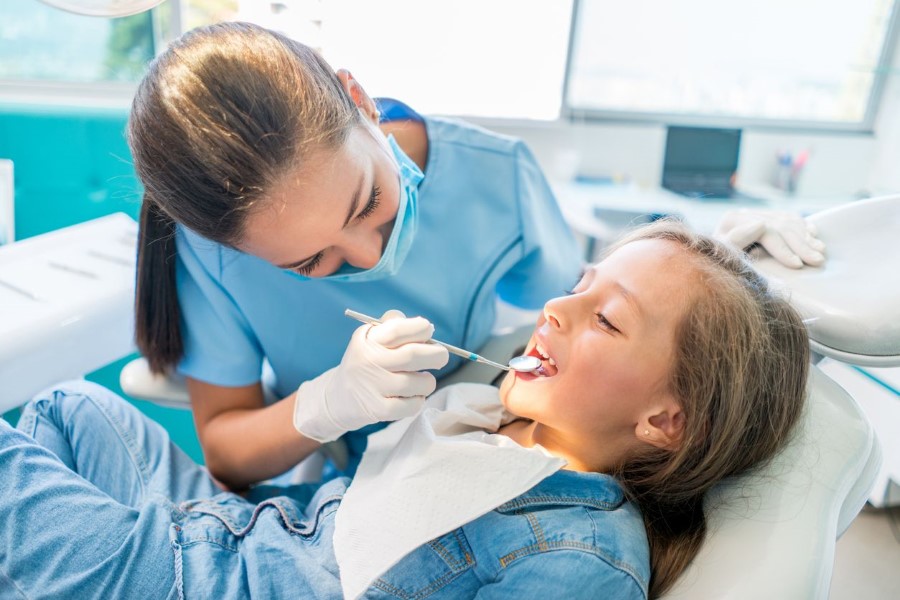
You might be feeling a little self conscious every time you smile in a photo, or you catch yourself covering your mouth when you laugh. Maybe your child is nervous about their teeth at school, or a partner avoids going to the dentist because past visits felt rushed or painful. An Anchorage dentist understands how these experiences can add up over time. It can start to feel like “going to the dentist” is just one more thing you are failing to keep up with, instead of something that actually supports your family’s confidence and health.end
Here is the quiet truth. A good family dentist does far more than clean teeth. The right care can help each person in your home feel more at ease in their own smile, more informed about their health, and more confident in everyday life. Healthy teeth are strongly linked with overall health, and national data shows that untreated oral problems are still very common for both children and adults. You are not alone in this, and you are not behind.
So where does that leave you? It helps to understand how family dentistry can support confidence in real, practical ways, and what you can do today to start moving toward calmer visits and healthier smiles for everyone under your roof.
How does family dentistry quietly shape your daily confidence?
Think about the last time you worried about your teeth in public. Maybe you covered your mouth during a presentation because you dislike the color of your teeth. Maybe your teenager hesitated to smile in a yearbook photo because of crowding. Or perhaps a dull, nagging toothache has made you short tempered at work or at home.
These moments seem small, yet they build up. You might start avoiding photos, putting off social time, or dreading school picture day for your child. The problem is not just “bad teeth.” It is the worry, the shame, and the constant background stress that something is wrong that you are not fixing.
Then there is the financial side. When preventive care is skipped, small issues often grow into emergencies. A simple cavity that could have been handled quickly can turn into a root canal or even an extraction. That means more cost, more time off work, and more anxiety. No parent wants to sit in an emergency dental visit wondering if this could have been prevented.
According to national oral health data from the Centers for Disease Control and Prevention, many children and adults still live with untreated cavities and gum disease. You can see just how common these problems are in the CDC’s oral health facts and statistics. So if you feel like you are the only one struggling to keep up, you are not. This is a widespread challenge, and that is exactly why steady, family focused care matters.
So how can family dentistry change this story and support confidence through smiles instead of stress and avoidance?
1. How regular family checkups protect both health and self esteem
One of the most powerful ways family dental care builds confidence is through simple consistency. When everyone in the family has regular checkups and cleanings, teeth stay healthier, problems are caught early, and visits feel more routine and less scary.
For children, this rhythm matters a lot. When they grow up seeing the same friendly faces, in the same office, with calm and predictable visits, they are less likely to fear the dentist as adults. They learn that caring for their teeth is just part of taking care of themselves, like brushing their hair or tying their shoes. That sense of normalcy builds quiet confidence.
For adults, regular care can prevent the kinds of problems that cause embarrassment. Professional cleanings reduce staining, help control bad breath, and keep gums healthier. Early treatment can stop a small chip, cavity, or crack from turning into a visible or painful problem. Over time, you can smile more freely because you trust that your teeth are being looked after.
On a deeper level, healthy mouths are strongly linked to overall health. The CDC’s overview of why oral health matters shows that gum disease and tooth loss are connected with other medical conditions. When you care for your mouth, you are also supporting the rest of your body, which can boost your confidence in your general health.
2. How education and habits at home support confident smiles
Another way family dentistry enhances confidence is by teaching simple, realistic habits that actually fit your daily life. A good dentist and dental team will not just lecture you about flossing. They will show you how to make it easier, explain what really matters, and help you teach your children in age appropriate ways.
For example, you might learn how to angle the toothbrush so you are cleaning along the gumline instead of just the chewing surfaces. Your child might be shown a fun way to brush for two minutes, using a song or a timer. You might talk about snacks and drinks that cause fewer cavities, and how to handle sugar at birthday parties or holidays without guilt.
The National Institute of Dental and Craniofacial Research offers clear guidance on daily care that supports this kind of home routine. You can explore their advice on practical oral hygiene to see what healthy habits look like in simple terms.
When you and your children understand how to care for your teeth, you feel more in control. That sense of control is a huge part of confidence. Instead of thinking “my teeth are just bad,” you start to think “I know what to do, and I am doing it most of the time.” Even if everything is not perfect, that shift in mindset reduces shame and builds pride.
3. How personalized treatment plans support appearance and comfort
The third way family dentistry for confident smiles makes a difference is through personalized treatment. Every mouth is different. Some people need help with crowding or alignment. Others have worn teeth from grinding, staining from coffee, or older fillings that stand out when they laugh.
A family dentist who knows your history can recommend the right mix of preventive, restorative, and cosmetic options for each person in your home. That might mean sealants for a child who gets cavities in the grooves of their molars. It might mean a simple whitening plan for a parent who feels older than they are because of stained teeth. It could mean discussing orthodontic options for a teen who is shy about crooked teeth.
Small changes can have a big emotional payoff. When someone finally smiles in a family photo without holding back, or when a child eats without pain for the first time in months, confidence rises naturally. The goal is not “perfect” teeth. It is a mouth that feels comfortable, looks healthy, and lets you show up in your life without worrying about hiding your smile.
What are the real trade offs of skipping care versus choosing a family dentist?
It can help to see the difference between “waiting until something hurts” and building a relationship with a family dentist. Here is a simple comparison.
| Approach | Short term experience | Long term impact on health | Long term impact on confidence |
|---|---|---|---|
| Waiting for pain or emergencies | Fewer visits at first, but often longer, more stressful appointments when problems arise | Higher risk of advanced decay, infections, tooth loss, and more complex treatments | More worry about appearance, more fear of sudden pain, greater shame about “letting things go” |
| Regular family dental checkups | Short, predictable visits with familiar faces, issues caught early | Better control of cavities and gum disease, fewer emergencies, stronger overall health | Greater comfort smiling, less fear of the dentist, more pride in self care for both adults and children |
Seeing these differences side by side can clarify why steady care with a trusted family dentist is not a luxury. It is a practical way to protect both health and everyday confidence.
What can you do right now to support more confident smiles at home?
You do not need to fix everything at once. A few clear steps can start shifting your family toward calmer visits and more confident smiles.
1. Set one shared checkup goal for your household
Instead of thinking about years of missed visits, choose a simple, near term goal. For example, “Everyone in the family will have a checkup and cleaning within the next three months.” If you already see a dentist, schedule the next round of visits now. If you do not, begin asking for recommendations from people you trust. Look for a practice that sees both children and adults, explains things clearly, and respects your concerns.
2. Create a small, realistic home care routine
Pick one or two habits to focus on rather than trying to change everything. You might decide that everyone will brush for two minutes, twice a day, and that adults will floss at night. Make it visible and easy. Keep toothbrushes, paste, and floss where they are simple to reach. For younger children, turn brushing into a shared activity instead of a rushed chore. Over time, these small routines build healthier mouths and more confidence.
3. Talk openly about fears and goals with your family dentist
At your next visit, speak up about what really worries you. Maybe it is fear of pain, embarrassment about how long it has been, or concern about cost. Also share your hopes, such as wanting your child to feel relaxed in the chair, or wanting to feel better about your smile in photos. A thoughtful dentist will use this information to guide treatment, explain options, and pace care in a way that respects your comfort and your budget.
Moving toward a future where your family smiles without hesitation
You might be carrying years of worry, guilt, or frustration about your teeth or your child’s teeth. That weight can make it hard to take the first step. Yet confidence through smiles is built one small choice at a time. A trusted family dentist can walk with you through those choices, protect your health, and help each person in your home feel more at ease in their own skin.
You do not need a perfect record of past care to begin. You only need a decision to start now, with the next checkup, the next brushing routine, the next honest conversation about your fears and goals. From there, healthier, more confident smiles become not just possible, but normal.