
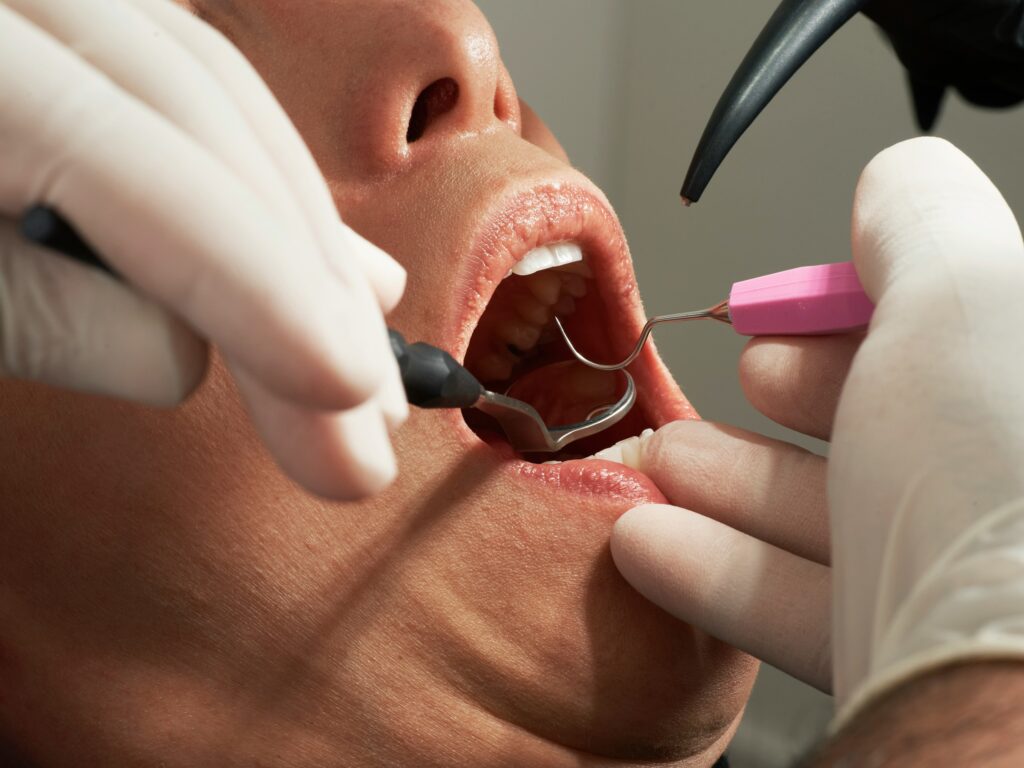
You might be in a strange spot right now. Maybe you started out just wanting a whiter smile, a smoother front tooth, or a small chip fixed. It felt like a “cosmetic” thing. Nothing urgent. Then a family dentist in North Richland Hills mentioned crowns, bonding, or even root canals, and suddenly it no longer felt simple or optional. It felt serious, expensive, and a bit scary.
It is very common to feel unsure about where cosmetic dentistry ends and restorative dentistry begins. You might be wondering if you are being “sold” something you do not really need, or if you are missing a chance to prevent bigger problems later. That tension can be exhausting.
Here is the short version. Many treatments that look cosmetic on the surface are actually doing quiet repair work underneath. They protect weak teeth, restore function, and prevent future pain. The key is understanding when a cosmetic option is truly optional, and when it is actually restorative dental treatment in disguise.
Are you just fixing your smile, or saving your teeth at the same time?
Cosmetic dentistry usually starts with how things look. Maybe your teeth are stained, slightly crooked, or worn down from years of grinding. You want to feel more confident when you smile, which is a very real and valid goal.
Restorative dentistry, on the other hand, focuses on structure and health. It repairs cavities, cracks, missing tooth structure, and failing fillings. It is about chewing comfortably, preventing infection, and keeping your natural teeth as long as possible.
The confusion starts because many treatments live in both worlds. For example, a porcelain crown can make a dark, damaged tooth look beautiful again. At the same time, it is also reinforcing a tooth that might otherwise fracture. Veneers can change the shape and color of front teeth, but they may also cover worn enamel and protect sensitive areas.
So where does that leave you when a dentist suggests something that sounds “cosmetic,” but calls it necessary?
When a “cosmetic” suggestion might actually be restorative care
Imagine a few common situations.
You have a large old filling in a back tooth. It looks fine on the outside, but your dentist explains that the tooth is starting to crack around the filling. They recommend a crown. You might hear “crown” and think cosmetic upgrade. In reality, that crown can hold the tooth together and prevent a painful fracture.
Or maybe you have a front tooth that was chipped years ago. You want it to look better in photos. Your dentist suggests bonding or a veneer. On the surface, it sounds like pure cosmetic dental work. But if the chip has weakened the tooth edge, covering it can help spread out biting forces and avoid further breakage.
The emotional challenge is that these treatments often come with a noticeable cost. You may feel pressured to decide on the spot. You may worry you are overreacting if there is no pain yet. You may feel guilty spending money on your smile. All of that is completely normal.
It helps to remember that many “cosmetic looking” treatments also fix real problems. They can be both. The question is not “Is this cosmetic or restorative?” It is “What problem is this actually solving for my tooth, and what happens if I do nothing?”
Materials, options, and what they mean for your teeth
Behind the scenes, your dentist chooses from different materials and techniques to restore or improve your teeth. These choices affect how natural your smile looks, how long the work lasts, and how much tooth needs to be removed.
For example, a tooth-colored filling on a front tooth might be chosen mainly for appearance, but it is still a functional direct restoration material that replaces lost tooth structure. A porcelain crown on a molar might be chosen because it looks more natural than metal, but it is also a strong indirect restoration material that protects the tooth from breaking.
In some cases, what starts as a cosmetic concern can uncover deeper issues. Worn edges, small chips, or teeth that look shorter can be signs of grinding, acid wear, or misaligned bite. Addressing the appearance without understanding the cause can lead to repeated repairs and higher long term costs.
Conditions like cavities, cracked teeth, and advanced tooth wear are not just cosmetic. They are structural problems. Left alone, they can lead to pain, infection, and even tooth loss. You can read more about how dentists diagnose and treat these issues in resources such as this overview of dental restoration procedures.
Cosmetic vs restorative outcomes: what should you weigh before deciding?
When you are deciding between “doing nothing,” a small cosmetic change, or a more involved restorative option, it helps to compare them side by side. The table below is a simple way to think about common choices, especially in that gray area where cosmetic and restorative dentistry overlap.
| Treatment type | Main goal | Typical use | Cosmetic benefit | Restorative benefit |
|---|---|---|---|---|
| Teeth whitening | Improve color | Healthy teeth with stains | High | None. Does not repair damage |
| Bonding on front teeth | Improve shape and repair small chips | Minor fractures, small gaps, discoloration | High | Protects chipped or worn areas from further damage |
| Veneers | Change color, shape, and alignment look | Worn, discolored, or slightly misaligned front teeth | Very high | Can cover worn enamel and reinforce weak edges |
| Crowns | Strengthen and protect damaged teeth | Large fillings, cracks, root canal treated teeth | Moderate to high, depends on material | High. Restores structure and function |
| Tooth-colored fillings | Repair cavities and small fractures | Decayed or chipped teeth | Moderate. Blends with natural tooth | High. Stops decay and restores function |
This is where a trusted family and cosmetic dentist earns their place in your life. The goal is not to cover everything in porcelain. It is to choose the least invasive option that still protects your teeth and makes you feel confident when you smile.
Three steps to protect yourself and your smile right now
1. Ask the “what if I wait” question
When a dentist recommends a treatment that sounds cosmetic, ask plainly. “If I do nothing for now, what is likely to happen in six months, a year, or five years?” A truly cosmetic issue will usually stay the same or change slowly. A restorative issue is more likely to worsen, crack, or become painful. Listen for clear, concrete answers, not vague pressure.
2. Get a clear breakdown of cosmetic vs restorative parts
You have every right to know which portion of the plan is about health and structure, and which is about appearance. For example, repairing a cracked molar with a crown may be restorative, while choosing a more aesthetic material may be the cosmetic upgrade. Ask for written notes or a printout. This can help with your own understanding and with insurance conversations.
3. Prioritize function first, then appearance in stages
If budget or time is tight, protect your chewing teeth and any areas with active decay or cracks first. Those are the true restorative priorities. Then plan cosmetic improvements in phases. For example, you might fix a broken molar now, then schedule veneers or whitening for a later date. A thoughtful plan lets you address both health and confidence without feeling rushed or overwhelmed.
Moving forward when you still feel unsure
You do not have to become an expert in dental materials or procedures. You only need enough clarity to feel that your choices are informed and respectful of your goals. When cosmetic dentistry becomes restorative dentistry in disguise, the answer is not to avoid treatment. The answer is to slow the conversation, ask honest questions, and make decisions that protect both your health and your sense of self.
You deserve care that sees the whole picture. Your comfort. Your appearance. Your long term oral health. When those pieces line up, cosmetic and restorative dentistry stop feeling like opposites and start feeling like two sides of the same careful plan for your smile.