Tooth loss can leave you feeling exposed, older, and unsure when you smile. You might avoid photos. You might chew on one side. You might even skip social events because eating in public feels risky. Dental implants can restore more than missing teeth. They can restore your stability and your calm. This blog explains three clear signs you may be ready for that step. You will see how your daily pain, loose dentures, or constant dental work may point toward implants as a strong option. You will also see how support like sedation dentistry in Green Bay can make treatment feel safer and more manageable. By the end, you will know if it is time to ask your dentist about implants and what to say during that first talk.
Sign 1: You Struggle To Eat Or Speak With Missing Teeth
Eating should feel steady and simple. Missing teeth can turn every meal into work. You may cut food into tiny pieces. You may avoid meat, nuts, or crusty bread. You may chew on one side and feel jaw strain. Over time, you might lose weight or feel tired because you do not eat enough.
Missing teeth can also change how you speak. You might notice:
- Whistling sounds when you say certain words
- Lisping or slurring
- Lip or tongue biting while you talk
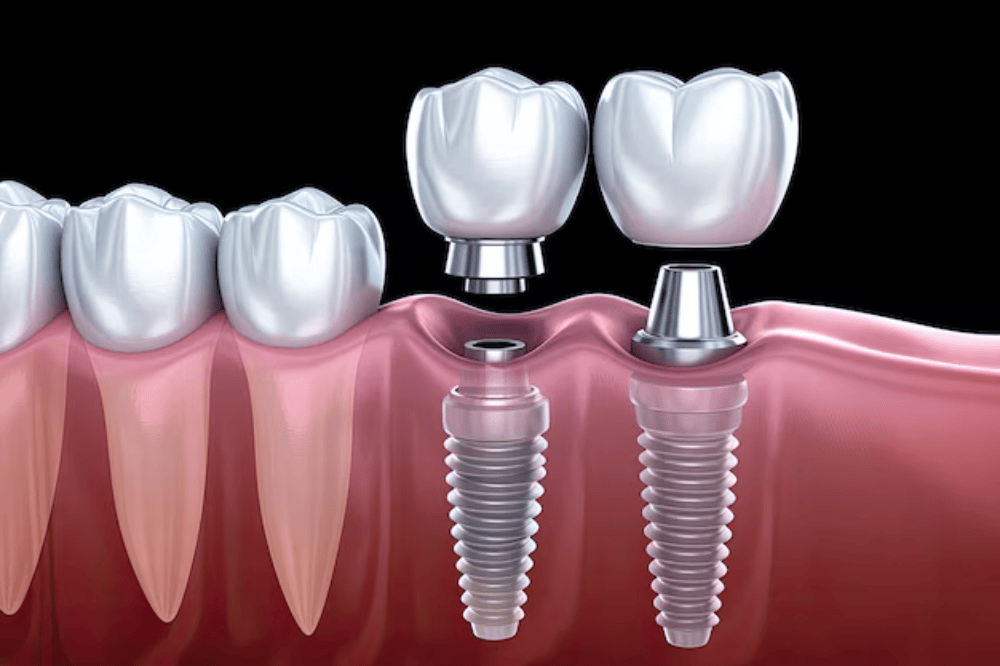
Dental implants act like roots in your jaw. They hold a crown that looks and works like a tooth. That stability can help you bite, chew, and speak with less effort.
The National Institute of Dental and Craniofacial Research explains how tooth loss affects chewing and daily life.
Sign 2: Your Dentures or Bridge Feel Loose or Unreliable
Removable dentures and some bridges can help after tooth loss. Over time, they may stop fitting well. Your jawbone can shrink after teeth are removed. That change can cause:
- Slipping when you talk or laugh
- Sores on your gums
- Food trapped under the denture
- Fear that your teeth will move in public
That fear can feel heavy. You may stop eating with others. You may worry during work talks or family events. When you live in constant fear of a slip, that is a strong sign to ask about implants.
Implants can secure a single crown, a bridge, or a full denture. With an implant denture, the denture snaps onto small anchors. You can still remove it for cleaning. Yet it stays steady while you talk and chew.
Comparison of Common Tooth Replacement Options
| Feature | Traditional Denture | Fixed Bridge | Dental Implant
|
|---|---|---|---|
| Stability while chewing | Low to medium | High | High |
| Removable at home | Yes | No | No |
| Support from nearby teeth | No | Yes | No |
| Helps slow jawbone loss | No | No | Yes |
| Typical lifespan with care | 5 to 8 years | 10 or more years | Many years |
This table gives a simple view. Your own case may differ. A dentist can explain which choice fits your mouth, your budget, and your health.
Sign 3: You Face Constant Dental Work On The Same Teeth
Some teeth reach a point where repair no longer lasts. You might have:
- Root canals on the same tooth
- Large fillings that keep breaking
- Cracked teeth that hurt when you bite
- Crowns that come loose again and again
Each visit takes time, money, and energy. At some point, saving that tooth may no longer help. You may keep fixing a tooth that still hurts. That pattern can drain you.
When a tooth cannot support more repair, removal, and an implant may give you more peace. An implant will not decay. With care, it can last a long time. That can mean fewer urgent visits and fewer sleepless nights.
Who Usually Qualifies For Dental Implants
Only a dentist or specialist can tell you if you are a good match. In general, you may be a candidate if you:
- Have one or more missing teeth
- Have healthy gums without untreated infection
- Do not smoke or are willing to quit
- Can keep good daily brushing and flossing
You also need enough bone in your jaw. If the bone has thinned, your dentist may suggest a bone graft first. That adds time. It can still lead to a strong result.
What To Ask Your Dentist At The First Talk
Walking into that first talk can feel hard. A short list of questions can help you stay focused and calm. You might ask:
- Am I a good candidate for dental implants
- Do I need any extra scans or bone grafting
- How many visits will this take
- What kind of pain control and sedation do you offer
- How much time will I need off work or school
- How should I care for the implant at home
You can bring photos of your smile and a list of medicines. You can also bring a family member. Another set of ears can help you remember details.
How Sedation Can Ease Fear And Support Healing
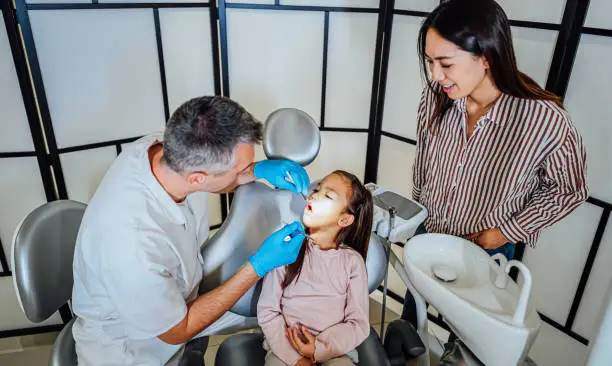
Fear of dental work is common. You are not alone. Heart pounding, sweating, or trouble sleeping before a visit are all signs of real stress. Sedation can reduce that stress. It can help you sit through longer visits with less strain.
Types of sedation may include:
- Medicine by mouth
- Gas you breathe through a small nose piece
- Medicine through a small line in your arm
Your dentist will review your health history before any sedation. You may need a ride home. You may also need to avoid food or drink for a set time before your visit.
Next Steps If You See Yourself In These Signs
If you struggle to eat, fear your dentures, or face the same tooth problem again and again, you deserve relief. You do not need to wait until pain controls your day. You can:
- Schedule an exam and share your main worries first
- Ask if implants or implant dentures could help you
- Talk about sedation options that match your health
Your smile touches every part of your life. It affects how you eat, speak, work, and connect with family. Clear facts and a calm plan can turn fear into action. You can take that first step today by asking one simple question. “Am I a candidate for dental implants?”





 Your smile makeover does not start with cosmetic work. It starts with strong, healthy teeth and gums. General dentistry gives you that base. A