
You might be feeling that losing a tooth, or several teeth, should not bother you “this much,” yet it does. You catch yourself hiding your smile in photos. You avoid certain foods in public. You may even speak less in meetings or social gatherings because you are worried someone will notice the gap or the denture that never quite feels secure. A Boston dentist can help you address these concerns and restore your confidence.
It often starts with a single tooth. Maybe it cracked, maybe gum disease crept in slowly, or maybe an old bridge finally failed. At first you tell yourself it is only cosmetic. Over time, you notice your bite changing, your jaw feeling different, and your confidence shrinking. That is the quiet part most people do not talk about. Tooth loss is not just about chewing. It hits how you see yourself.
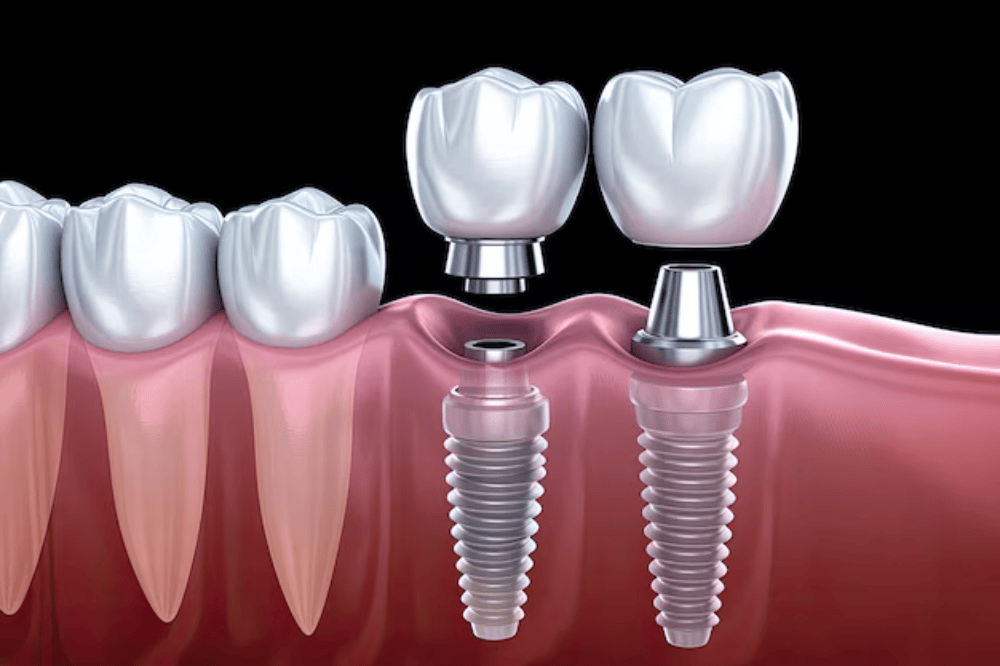
If this is where you are, you are not overreacting. You are human. The good news is that modern implant dentistry does not only replace missing teeth. It can help rebuild how you feel about your smile, your face, and even your social life. In simple terms, dental implants are small titanium posts that act like artificial roots. They support crowns, bridges, or dentures that look and feel like natural teeth. When planned well, they can restore function, protect your jawbone, and give you back the freedom to smile without thinking about it.
So where does that leave you today. You may be wondering if implants are really worth the time, cost, and surgery. You may also worry whether you are a good candidate at all. The rest of this page walks through the emotional and practical sides of how implant dentistry can restore confidence along with teeth, so you can decide with more clarity and less fear.
Why Missing Teeth Hurt More Than Your Smile
Tooth loss often brings a mix of embarrassment, frustration, and quiet grief. You might feel older than you are. You might worry that others are judging your hygiene or lifestyle, even if the loss had nothing to do with neglect. This emotional weight is very real, and it can show up in small but important ways.
Think about a work presentation where you are suddenly aware of how you pronounce certain words. Or a dinner with friends where you avoid steak or crunchy bread because your denture might slip. Over time, these moments can chip away at your confidence. You might withdraw from situations that used to feel easy and natural.
There is also a physical side that often sneaks up slowly. When a tooth is missing, the bone in that area begins to shrink because it no longer receives stimulation from chewing. Neighboring teeth can tilt or drift. Your bite may shift, which can lead to jaw discomfort or headaches. As bone is lost, the shape of your face can change so the lower third of your face may start to look collapsed or sunken. This can make you look more tired or older, even if your overall health is good.
Because of this tension between how you want to feel and how your mouth actually functions, you might wonder whether anything can truly feel “like having your own teeth again.” That is where modern dental implant treatment comes into the picture.
How Can Dental Implants Support Both Function And Confidence?
Dental implants are designed to act like natural tooth roots placed into the jawbone. Over time the bone bonds with the implant, creating a stable base for a crown, bridge, or implant supported denture. According to MedlinePlus, implants are a long lasting option for replacing missing teeth when the jawbone is healthy enough to support them.
From a confidence standpoint, that stability is key. Unlike removable dentures that can shift or click, implant supported teeth are fixed in place or firmly attached. You can speak, laugh, and chew without constantly wondering if something will move. The teeth on implants are shaped and colored to blend with your natural smile, so most people will not notice anything unusual.
From a health standpoint, implants help your jawbone stay active. Each time you chew, the force transfers through the implant into the bone, which can slow or prevent the bone loss that usually follows tooth removal. The Columbia University College of Dental Medicine explains that this root like function is what sets implants apart from other replacement options.
Of course, dental implants are not a quick fix. They involve careful planning, imaging, and often several months of healing. They also cost more up front than many temporary solutions. Yet for many people, the tradeoff is worth it because they gain both a strong bite and a quiet mind. They no longer rehearse how to hide their teeth in every social situation.
So how do you weigh all of this against options like bridges or traditional dentures. One useful way is to look at the everyday experience of living with each choice.
What Are The Real Tradeoffs Between Implants And Other Options?
When you are already tired of feeling self conscious, it is tempting to choose the fastest or cheapest option. That is understandable, especially if money or time is tight. Still, it helps to compare how each option may affect your daily life, your long term oral health, and your confidence.
| Treatment Option | Stability In Daily Life | Impact On Jawbone | Longevity & Maintenance | Confidence Factors |
|---|---|---|---|---|
| Single or Multiple Dental Implants | Feels closest to natural teeth for chewing and speaking | Helps maintain bone in the area of the implant | High success rates with good care, may last many years | Natural look, no slipping, strong support for self esteem |
| Traditional Bridge | Generally stable, fixed in place | Does not replace the root, bone under missing tooth can still shrink | Typically needs replacement after many years, affects neighboring teeth | Good appearance, but may not prevent facial changes over time |
| Removable Partial or Full Denture | Can move or rub, may affect speech or chewing certain foods | Does not stimulate bone, ongoing bone loss can change fit | Relines and replacements often needed as jaw shape changes | May feel less secure, some people avoid social situations |
Studies from centers such as the UCSF School of Dentistry show that implants have high success rates when placed in healthy bone by trained professionals. Still, no option is perfect for everyone. Your general health, smoking history, bone quality, and budget all matter.
So where should you begin if you are curious about implant and cosmetic dentist solutions yet unsure about what is realistic for you.
Three Steps You Can Take Right Now Toward A More Confident Smile
1. Get a thorough evaluation, not just a quick quote
Instead of calling for the lowest price, start with a full assessment. A good implant and cosmetic dentist will review your medical history, examine your gums and remaining teeth, and usually take 3D imaging of your jaw. This is not just technical. It is your chance to talk openly about what bothers you most. For one person it may be chewing. For another it may be how their face looks in photos. Share these details. The right plan should match your health, your goals, and your budget, not just your X rays.
2. Ask about phased or combined treatment options
If the full recommended plan feels overwhelming, ask whether your care can be phased. For example, you might start with implants in the most visible area to quickly support your confidence, then address back teeth later. In some cases, temporary teeth can be placed on the same day as implant surgery so you never feel “without teeth” in public. Discuss alternatives such as implant supported dentures if single implants for every tooth are not realistic. You deserve to understand the range of options, not just the most expensive one.
3. Prepare your body and habits to support healing
Your overall health affects how well implants heal and how long they last. If you smoke, even cutting back before and after surgery can improve success rates. If your blood sugar is not well controlled, work with your medical team to stabilize it. Keep up with daily brushing, flossing, and any special cleaning tools your dentist recommends. These steps may sound basic, yet they protect your investment and help your new teeth feel comfortable and strong, which directly supports your confidence.
Finding Hope In The Middle Of Dental Stress
Feeling worried, ashamed, or “behind” because of your teeth is more common than most people admit. You are not alone, and you are not stuck. With thoughtful planning, dental implant treatment can do more than fill spaces. It can help you chew the foods you love again, speak without hesitation, and see a reflection that feels like you.
If you are ready to explore whether implants or other restorative options fit your situation, reach out to a trusted implant and cosmetic dentist in your area. Ask questions. Bring your concerns. You deserve clear information and a plan that respects both your health and your confidence. Your next step does not have to be dramatic. It just has to move you closer to a smile you no longer feel the need to hide.