
Your smile carries your story. Tooth loss can strain how you eat, speak, and connect with others. Dental implants can help. Still, the same treatment plan will not work for every person. Your bone, health history, and daily habits are unique. So your care must be unique. A rushed, one size fits all plan can lead to pain, loose implants, or more surgery later. Careful planning helps protect your health, your time, and your money. It reduces surprises. It supports long term comfort and steady function. A dentist in Chinatown, Lower Manhattan, NY can study your bite, your jawbone, and your goals, then build a plan that fits you. Careful planning can mean fewer visits, safer surgery, and more natural feeling results. You deserve a clear path, honest guidance, and treatment that respects your body. Personalized planning is where that trust begins.
What Personalized Treatment Planning Means
Personalized treatment planning means you receive a plan shaped around your body and your life. It looks at your mouth, your health, and your goals, then sets clear steps that match your needs. It is not a menu. It is a map built for you.
During planning, your dentist may
- Review your health history and medicines
- Check your gums and remaining teeth
- Measure bone strength with X rays or 3D scans
- Study how your teeth meet when you bite
- Talk with you about your budget and time
This careful review guides every choice. It affects implant size, number, and position. It shapes the kind of crown or bridge placed on top. It guides timing, healing steps, and follow up visits.
Why One Size Fits All Implant Care Can Fail
Teeth may look simple from the outside. Yet your jaw, nerves, and sinuses sit close together. Your bone density and gum shape also change from person to person. A generic plan that ignores these facts can cause harm.
Risks of rushed or copy paste plans include
- Pain from pressure on nerves
- Loose or fractured implants from weak bone
- Food traps that cause infection
- Speech problems from poor tooth shape or position
- Extra surgeries to fix earlier work
Personalized planning lowers these risks. It does not remove every problem. Still, it reduces the chance that you face avoidable trouble later.
How Health History Shapes Your Implant Plan
Your overall health has a strong impact on implant success. The National Institute of Dental and Craniofacial Research explains that bone quality, gum health, and healing speed matter. Certain conditions may slow healing or raise infection risk.
Your dentist may adjust your plan if you have
- Diabetes
- Heart disease
- Osteoporosis
- History of head and neck radiation
- Autoimmune conditions
- Use of blood thinners or bone drugs
You may still receive implants. You just need a plan that respects your body. That may mean more healing time, closer checks, or support from your doctor. Honest talk upfront prevents fear and confusion later.
Why Bone And Gum Checks Matter
Dental implants sit in bone like roots. Strong bone and clean gums support long use. Weak bones or inflamed gums raise the risk of early failure. Before treatment, your dentist will check
- Bone height
- Bone width
- Bone density
- Gum thickness
- Signs of gum disease
The Centers for Disease Control and Prevention reports that many adults have gum disease. If you have bleeding or tender gums, your plan should treat that first. Clean, stable gums help protect your implant and lower infection risk.
Comparing Generic And Personalized Implant Planning
| Planning Approach | Key Features | Short Term Impact | Long Term Impact
|
|---|---|---|---|
| Generic Plan |
|
|
|
| Personalized Plan |
|
|
|
Matching Your Plan To Your Daily Life
Implants do not exist only in your mouth. They affect your days. Planning should respect your work, family, and stress level. When your dentist builds your plan, you should talk about
- Your work schedule and travel
- Your support at home during healing
- Your comfort needs during long visits
- Your budget and insurance limits
This talk can shape how many implants you receive, whether treatment happens in phases, and what kind of temporary teeth you use while you heal. A clear plan can protect your job, your sleep, and your peace of mind.
What To Expect During A Personalized Planning Visit
You may feel nervous before that first visit. Knowing what to expect can ease that fear. A caring dentist will
- Listen while you explain what bothers you
- Ask about your health, medicines, and past dental work
- Examine your mouth with a mirror and gentle tools
- Take X rays or 3D scans if needed
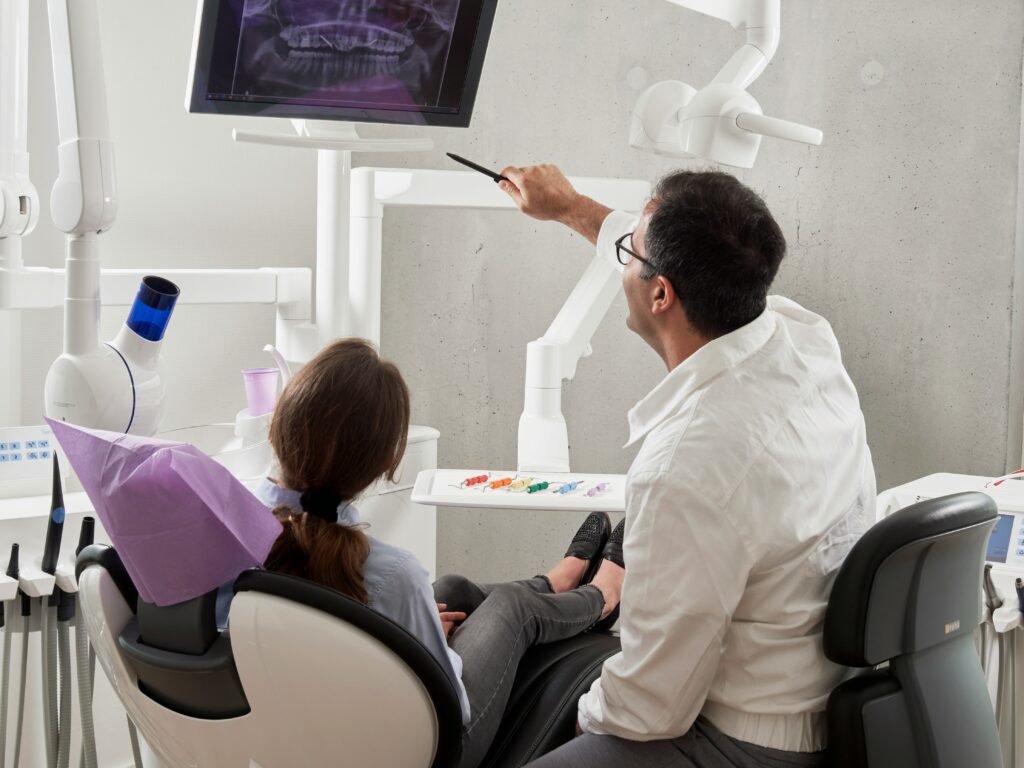
- Show you images and explain what they see
- Offer clear choices with pros and cons
You should leave with written steps, timing, and costs. You should feel free to ask hard questions. Respectful planning invites your voice. It treats you as a partner, not a passenger.
How Personalized Planning Protects Your Future Health
Implants can last many years. They also affect nearby teeth, jaw joints, and even posture. When your dentist plans with care, they look beyond the next few months. They think about how your bite will feel years from now.
A strong plan
- Helps keep your jawbone from shrinking
- Supports even chewing on both sides
- Reduces wear on remaining teeth
- Makes cleanings easier for you and your hygienist
This long view guards you from slow, quiet problems that can build over time. It honors your future self.
Taking Your Next Step
Personalized treatment planning in implant dentistry is not a luxury. It is basic respect for your body and your story. Tooth loss may have shaken your trust in your smile. Careful planning can help rebuild that trust.
You can start by asking clear questions
- How will you plan my care for my health needs
- What scans or tests will you use and why
- What risks do I face and how will we manage them
- What will this feel like one year from now
Your mouth is not a simple case. It is you. You deserve a plan that sees the whole picture and guards your safety at every step.