
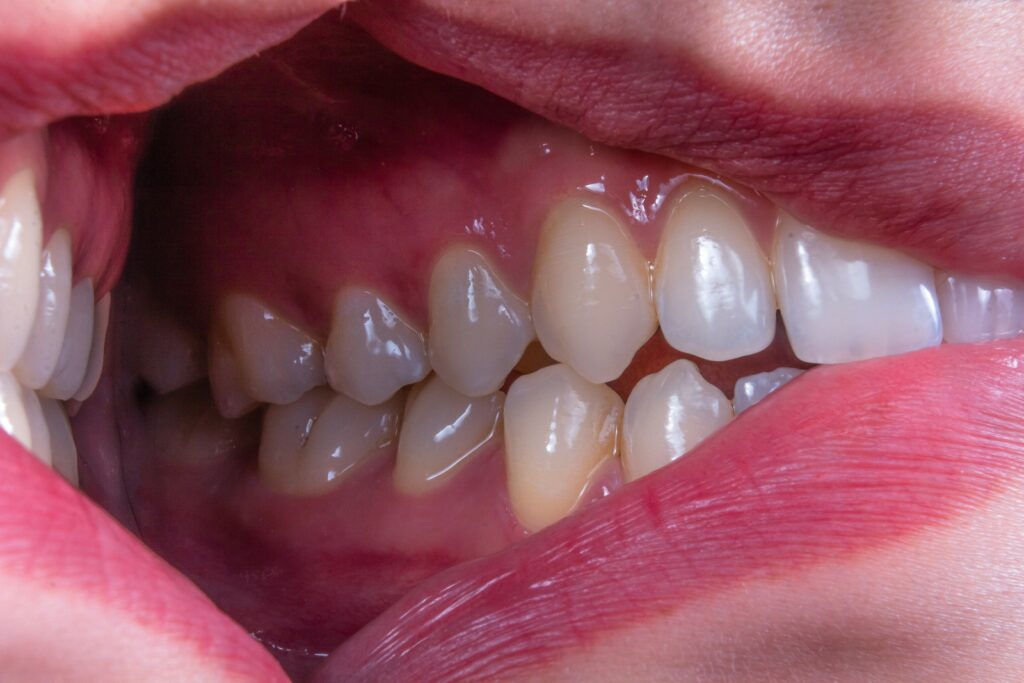
Your child’s first tooth brings joy and worry at the same time. You wonder if teeth are coming in too early, too late, or in the wrong order. You hear stories from other parents and feel pressure to compare. This guide gives you a clear timeline so you know what usually happens and when to call. You learn what counts as “normal” tooth eruption, what delays can mean, and how to spot warning signs. You also see when small quirks are harmless. Some children are early. Others take longer. Both can be healthy. A pediatric dentist in Los Angeles uses the same milestones you will read here. You can use this guide before the first visit. You can also bring it to your next appointment and ask direct questions. You deserve straight answers and calm support while your child’s smile grows.
What “Normal” Tooth Eruption Really Means
Normal tooth eruption is a range. It is not one exact month or one perfect order. Each child follows a pattern that sits inside that range.
You look at three things.
- Which teeth appear
- The order they appear
- How long gaps last
Small shifts are common. Large gaps or teeth that never show need attention. You do not need to guess. You can compare your child to standard charts from the Centers for Disease Control and Prevention.
Baby Teeth Timeline From Birth To Age Three
Most children get 20 baby teeth by age three. The first ones to show are usually the bottom front teeth.
Typical Baby Tooth Eruption Timeline
| Tooth | Upper or Lower | Common Age Range | What You Often See
|
|---|---|---|---|
| Central incisors | Lower | 6 to 10 months | First two bottom front teeth |
| Central incisors | Upper | 8 to 12 months | Top front teeth that show in photos |
| Lateral incisors | Upper | 9 to 13 months | Teeth next to top front teeth |
| Lateral incisors | Lower | 10 to 16 months | Teeth next to bottom front teeth |
| First molars | Upper and lower | 13 to 19 months | Back chewing teeth |
| Canines | Upper and lower | 16 to 23 months | Pointed teeth between front teeth and molars |
| Second molars | Lower | 23 to 31 months | Very back baby teeth on bottom |
| Second molars | Upper | 25 to 33 months | Very back baby teeth on top |
If your child is a few months outside this range, that can still be fine. You only need quick help if no teeth appear by 12 months or if only a few teeth appear by 18 months.
Signs Your Child Is Teething
Teeth push through gum tissue. That process can cause strong body reactions.
- More drool that wets shirts
- Swollen gums that look red
- Chewing on hands, toys, bed rails
- Short bursts of crying or trouble sleeping
- Refusal of spoon or bottle at some feedings
A small rise in body temperature can happen. A high fever or heavy sickness does not come from teething. That needs a medical check.
When Baby Teeth Usually Fall Out
Baby teeth hold space for adult teeth. They start to loosen when the roots melt away.
- Age 6 to 7. Bottom and top front baby teeth fall out
- Age 7 to 8. Side front teeth loosen
- Age 9 to 12. Canines and baby molars fall out
This step can feel strange for children. You can remind them that loose teeth clear the path for stronger teeth.
Adult Teeth Timeline Through The Teen Years
Adult teeth begin to appear around age 6. They continue through early teen years.
Baby Versus Adult Tooth Timing
| Tooth Type | Baby Tooth Erupts | Baby Tooth Sheds | Adult Tooth Erupts
|
|---|---|---|---|
| Central incisors | 6 to 12 months | 6 to 7 years | 6 to 8 years |
| Lateral incisors | 9 to 16 months | 7 to 8 years | 7 to 9 years |
| Canines | 16 to 23 months | 9 to 12 years | 9 to 12 years |
| First molars | 13 to 19 months | 9 to 11 years | 6 to 7 years |
| Second molars | 23 to 33 months | 10 to 12 years | 11 to 13 years |
| Third molars wisdom teeth | Not present as baby teeth | Not present as baby teeth | 17 to 21 years or never |
Some children never grow wisdom teeth. That can be safe. A dentist can confirm with an X-ray during the teen years.
When To Feel Calm And When To Call
You can stay calm when:
- Teeth appear in a pattern close to the charts
- Your child eats, sleeps, and grows well
- Small gaps close as more teeth appear
You should call a dentist when:
- No teeth appear by 12 months
- Only a few teeth appear by 18 months
- Upper and lower teeth do not touch at all by age 3
- One side of the mouth has many more teeth than the other
- You see white, brown, or black spots on new teeth
Early checks can prevent pain. They also protect speech and chewing.
How To Support Teething At Home
You cannot stop teething. You can soften it.
- Offer a firm rubber teether from the fridge
- Rub the gums with a clean finger or soft cloth
- Use a small sip of cool water for older babies if your pediatrician agrees
Topical gels that numb the gums can harm a child. Home remedies like alcohol are unsafe. You can talk with a dentist or doctor before you give pain medicine.
Protecting New Teeth From Day One
Care starts before the first tooth. You can wipe the gums with a soft cloth once a day. You can also keep bottles and cups free from sugary drinks.
Once the first tooth appears, you can:
- Brush twice each day with a smear of fluoride toothpaste about the size of a grain of rice
- Use a child size soft brush
- Lift the lip and look for spots or lines on the teeth
The American Dental Association explains fluoride and brushing steps in simple words on its public site.
Working With Your Child’s Dentist
The first dental visit should happen by age one or within six months after the first tooth appears. That visit is short. It checks growth, eruption, and early habits.
You can bring:
- A list of when teeth appeared
- Photos or notes if you saw swelling or spots
- Questions about timing, gaps, or crowding
Teeth carry more than a smile. They shape how your child eats, speaks, and feels. When you understand what counts as normal tooth eruption, you can act early, protect health, and give your child steady comfort through every loose and wiggly stage.