
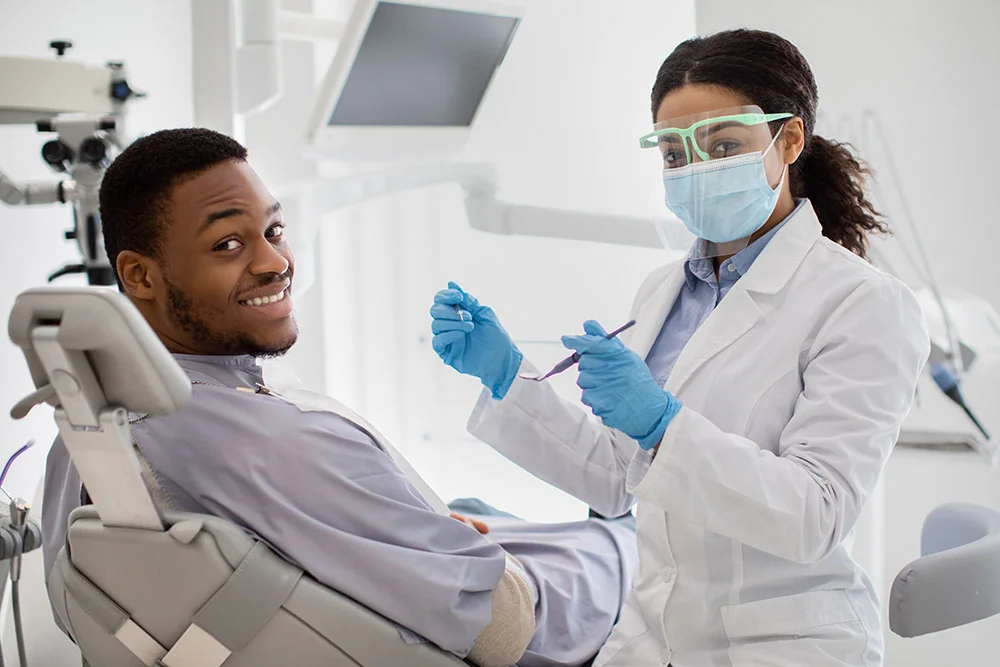
Biofilm grows fast. It hides in tight spaces, hard surfaces, and soft tissue. During routine cleanings, you cannot ignore it. You need clear steps that remove it and keep it from coming back. This guide gives you simple methods you can use right away during each visit. You will see how to spot early biofilm, break it up, and stop it from hardening. You will also learn how to teach patients small daily habits that protect your work. Every choice matters. The tools you pick, the order you use them, and the way you talk with patients all shape results. A dentist in Covina uses these same methods to cut down chair time and improve comfort. You can use them too. Start with clean technique. Add sharp focus. Then turn each routine cleaning into strong biofilm control.
Know What You Are Fighting
Biofilm is a sticky layer of germs. It clings to teeth, gums, and dental work. It grows in water lines and tools. It forms fast. It hardens into tartar. Then it feeds gum disease and tooth decay.
You need to keep three facts in mind.
- Biofilm protects germs from rinses and many drugs.
- New biofilm forms again within hours after a cleaning.
- Patients often cannot see or feel early biofilm.
The goal is simple. Break the biofilm structure. Remove it from every surface you can reach. Then lower the speed of new growth between visits.
Step 1. Spot Biofilm Early During Each Visit
You cannot treat what you do not see. You need a clear view of soft and hard deposits.
Use three basic checks.
- Visual exam. Dry teeth with air. Look for dull, sticky, or stained spots along the gumline and between teeth.
- Explorer feel. Use a light touch. Feel for rough spots on enamel, roots, and restorations.
- Disclosing agents. Use a safe stain that colors biofilm. Then show the mirror. Patients see the missed spots at once.
The Centers for Disease Control and Prevention link gum disease to long-term health problems. Early biofilm control helps protect both the mouth and the body.
Step 2. Use A Clear Cleaning Sequence
A steady routine keeps you from missing hidden spots. It also keeps the visit calm for families and children.
- Start with a review of brushing and flossing habits.
- Use disclosing stain when useful.
- Remove hard deposits with hand tools or ultrasonic tools.
- Polish to smooth rough enamel and fillings.
- Clean between teeth with floss or small brushes.
- Finish with a fluoride product when needed.
You move from large deposits to fine cleaning. You also move from easy surfaces to tight, hidden ones. This order cuts repeat work and reduces stress on the gums.
Step 3. Select Tools That Break Biofilm, Not Only Scrape It
Each tool has a clear role. You gain more control when you match tools to the job.
| Tool or Method | Main Strength | Best Use During Cleaning | Key Limit
|
|---|---|---|---|
| Hand scalers and curettes | Strong control on hard deposits | Remove tartar above and below the gumline | Can tire hands during long visits |
| Ultrasonic scalers | Fast removal with water flow | Break heavy biofilm and stain in less time | Water spray may bother some patients |
| Polishing cups and paste | Smooth tooth surfaces | Clean remaining film after scaling | Does not reach deep between teeth |
| Interdental brushes or floss | Reach tight spaces | Clear soft biofilm between teeth | Needs patient skill at home |
| Antimicrobial rinses | Lower germ count | Support cleaning in high risk patients | Cannot replace physical scraping |
You should pair tools, not pick only one. First, use force to break the hard buildup. Then use water flow and polish to disrupt soft biofilm layers.
Step 4. Protect Patients With Clean Water And Safe Lines
Biofilm grows inside dental water lines. It can spread germs during routine care. You need strict water line care for every patient, every day.
- Use water line cleaners as directed by the maker.
- Flush lines at the start of the day.
- Flush lines between patients.
- Test water quality on a set schedule.
Clean water keeps trust. It also cuts risk for children, older adults, and people with weak immune systems.
Step 5. Turn Each Visit Into A Short Lesson
Biofilm never rests. You need patients to work with you between visits. Short, clear teaching during cleanings can change habits.
Use a rule of three.
- Show where biofilm hides.
- Show how to remove it.
- Agree on one small change before the next visit.
Give simple goals.
- Brush two times each day for two minutes.
- Use floss or a small brush once each day.
- Use a fluoride paste or rinse when the risk is high.
Use mirrors and models. Let patients practice brushing and flossing while you guide them. Children remember hands-on teaching more than long talks.
Step 6. Adjust For Age And Health
Biofilm management is not one size for every person. You should tailor steps for three common groups.
- Children. Use gentle tools and short visits. Focus on teaching parents and kids together. Use disclosing stain as a game that shows “hidden germs”.
- Adults with gum disease. Plan more frequent cleanings. Use deeper scaling. Teach the use of interdental brushes and rinses that target gum pockets.
- Older adults or people with limits. Use larger handles for brushes. Suggest simple routines that fit their strength. Involve caregivers when needed.
When you respect each person’s limits and fears, you gain trust. Then patients are more likely to follow home care plans.
Step 7. Track Results And Adjust
You gain control of biofilm when you measure change. You should keep records that guide each visit.
- Note bleeding spots and pocket depths.
- Record plaque scores or stained biofilm scores.
- Compare photos over time when possible.
Share progress with patients. Show them where bleeding has dropped, or clean spots have grown. Clear proof builds strong commitment to daily care.
Bring It All Together During Routine Cleanings
Effective biofilm management is simple but strict. You spot it early. You use the right tools in the right order. You protect water and tools from hidden growth. You teach patients small steps that they can keep doing at home.
Every visit becomes a chance to reset the mouth. You remove the shield that germs use. You give families clear habits that protect teeth and gums. You also lower the load on the body as a whole.
With steady practice, your routine cleanings stop being quick polish visits. They become a strong defense against a disease that grows in silence.
Leave a Reply