
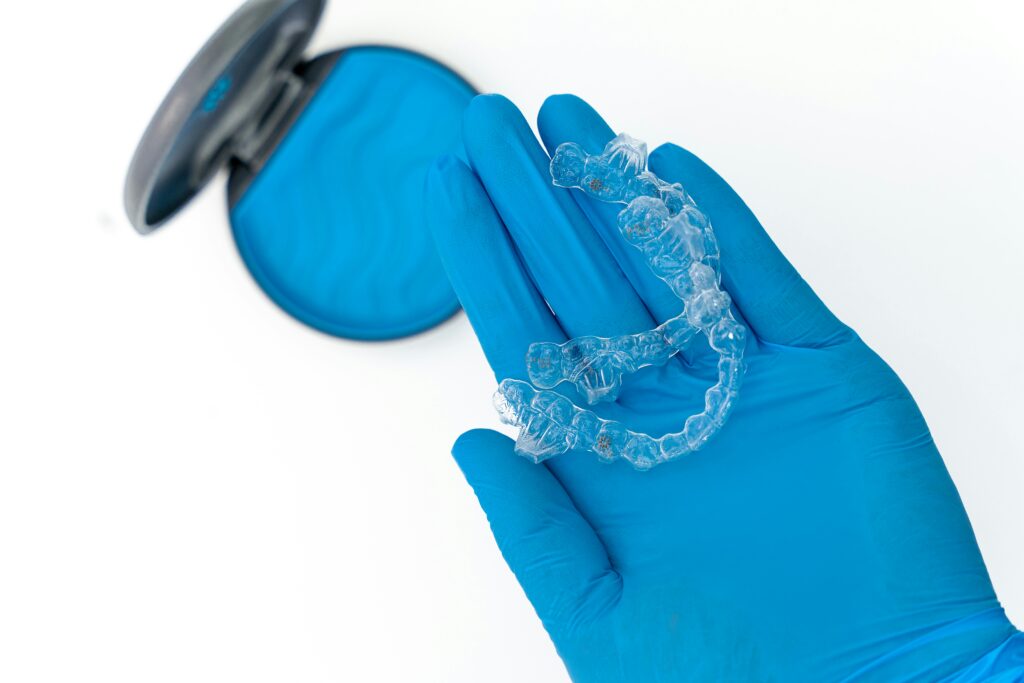
Clear aligners can straighten your teeth without metal, but only if you keep them clean and clear. When aligners collect plaque or stains, they start to smell. They also push germs against your gums. That can lead to pain, bleeding, and new cavities. You wear them most of the day. So every small cleaning habit matters. This guide gives you four simple tips you can start today. You will see how to rinse, brush, store, and protect your aligners with little effort. Each step protects your mouth and also keeps your trays clear and hard to see. If you ever feel unsure, you can ask a Dentist in Garden City MI for help and a quick check. Clear aligners should feel safe in your mouth. They should also look almost invisible. These tips help you keep both your smile and your aligners in strong shape.
1. Rinse Your Aligners Every Time You Remove Them
You take your aligners out to eat. You also remove them to drink anything that is not plain water. Each time, a thin film of saliva and food is left on the plastic. That film feeds germs. Then stains and odors grow fast.
So follow three steps every time you remove your trays.
- Rinse right away with cool water
- Rub gently with clean fingers to remove loose film
- Check for any stuck food before you store them
Cold or cool water works best. Hot water can warp the plastic. Warped trays will not fit. That can slow treatment or cause sore spots.
You can also swish your mouth with water before you put the trays back in. That clears food from your teeth. It keeps new plaque from getting trapped under the aligner.
The Centers for Disease Control and Prevention explains that plaque growth raises your risk for tooth decay and gum disease. Quick rinsing limits that growth. It protects your gums while you straighten your teeth.
2. Brush Your Aligners Gently Every Day
Aligners touch your teeth and gums for many hours. So they need daily cleaning just like your teeth. You do not need strong cleaners. You need steady care.
Use this simple routine once or twice a day.
- Use a soft toothbrush that you keep only for your aligners
- Use clear, scent-free liquid soap or aligner cleaner
- Brush inside and outside with small circles
- Rinse well with cool water until no soap film remains
Do not use toothpaste on your trays. Many pastes contain grit. That grit can scratch the plastic. Scratches trap more plaque. They also make clear trays look cloudy.
Never soak aligners in mouthwash that contains color. The plastic can stain. Green or blue trays are hard to hide. Alcohol in some rinses can also weaken the plastic over time.
Clean aligners and clean teeth work together. The National Institute of Dental and Craniofacial Research shows that brushing with fluoride toothpaste and flossing each day lowers decay. When you add gentle aligner care, you cut the risk of cavities during treatment.
3. Store Aligners Safely Every Time
Many people wrap aligners in a napkin during meals. Then someone throws them out. Or they sit in the open and collect germs. Both lead to stress and cost.
Use your case every time you remove your trays. Even for a short snack. The case shields them from germs, heat, and loss.
Follow these three habits to protect your trays.
- Carry your case with you when you leave home
- Place trays in the case as soon as you remove them
- Clean the case once a day with soap and water
Do not leave aligners in a hot car or near a heater. Heat can change their shape. A small change can affect how your teeth move. That can add extra weeks to treatment.
Keep trays away from pets and small children. The plastic can look like a toy. Bite marks and cracks make the trays unsafe to use.
4. Avoid Stain and Damage Traps
Clear aligners stain fast when they touch dark drinks or food. They also stain when you smoke or vape with them in. Stains do not wash out fully. They stay and make your trays stand out when you smile.
Use these three rules to keep them clear.
- Remove aligners before coffee, tea, soda, juice, or wine
- Drink only plain water while trays are in your mouth
- Wait to put trays back until you finish eating and brush your teeth
Also protect them from damage. Do not chew ice, hard candy, or pens while you wear aligners. Small cracks can form in the plastic. Those cracks can cut your cheeks or tongue. They also weaken the tray and change how it fits.
If you grind your teeth at night, tell your dentist. Grinding can wear through the plastic. You may need closer checks or new trays sooner.
Simple Cleaning Choices Compared
The table below shows common ways people try to clean and aligners. It also shows which habits help and which cause harm.
| Cleaning method | Safe for aligners | Main benefit | Main risk
|
|---|---|---|---|
| Rinse with cool water | Yes | Removes loose saliva and food | Does not remove heavy buildup |
| Soft brush with clear soap | Yes | Cleans daily plaque without scratching | Needs full rinse to remove soap taste |
| Toothpaste with grit | No | Makes trays feel clean at first | Scratches plastic and traps more plaque |
| Colored mouthwash soak | No | Fresh smell for a short time | Stains trays and may weaken plastic |
| Hot water soak | No | Gives a sense of deep clean | Can warp trays so they no longer fit |
| Aligner cleaner crystals or tablets | Yes, if brand approved | Helps remove stains and odor | Cost and need to follow directions |
When To Call Your Dentist
Even with strong home care, you still need regular checks. Call your dentist if you see any of these signs.
- White spots or brown marks on your teeth
- Red, swollen, or bleeding gums
- Cracks, sharp edges, or warping in a tray
- Odor that stays even after cleaning
Quick care can stop a small problem from turning into severe pain or tooth loss. Clean aligners, clean teeth, and routine visits work together. They protect your smile during treatment and after it ends.